.jpeg)
The New Cape Coral Bridge Project: Transforming Transportation in Southwest Florida
Table of Contents
Introduction
Southwest Florida is entering an exciting era of infrastructure development with the highly anticipated Cape Coral Bridge Project. For decades, the existing Cape Coral Parkway Bridge has served as a vital connection between Cape Coral and Fort Myers, providing access to homes, businesses, and recreational areas along the Caloosahatchee River. However, with increasing population growth, traffic congestion, and safety concerns, the Florida Department of Transportation (FDOT) and local officials recognized the need for a modern replacement.
The Cape Coral Bridge Project is more than just a bridge replacement—it represents a comprehensive plan to improve traffic flow, safety, and connectivity while enhancing aesthetics and recreational opportunities for the region. This article explores the project’s design, benefits, timeline, and impact on residents and visitors.
Why the Cape Coral Bridge Project is Necessary
The existing Cape Coral Parkway Bridge was constructed decades ago and now faces several challenges:
- Traffic Congestion: Daily commuters experience bottlenecks during peak hours.
- Safety Concerns: The current bridge design has limitations for pedestrian and cyclist safety.
- Structural Aging: Wear and tear have increased maintenance costs and highlight the need for a long-term solution.
- Economic Growth: Cape Coral’s population continues to grow rapidly, and the region’s economy depends on efficient transportation infrastructure.
With a population surpassing 220,000 and continued expansion projected, modernizing this critical artery is essential to support the region’s growth and economic stability.
Key Features of the New Cape Coral Bridge
Six Lanes for Improved Traffic Flow
The replacement bridge will have six lanes, with three lanes in each direction, reducing congestion and ensuring smoother traffic movement. Wider lanes and additional capacity will also support future population growth and vehicle use in Southwest Florida.
Pedestrian and Bicycle Paths
A major highlight is the shared-use pedestrian and bicycle path. This addition promotes alternative transportation options and enhances safety. Residents and visitors can enjoy scenic walks, jogging routes, and cycling paths along the Caloosahatchee River, connecting neighborhoods and recreational areas.
Modern Lighting and Safety Enhancements
The bridge will feature modern LED lighting, improving visibility for drivers, pedestrians, and cyclists. Safety barriers, railings, and guardrails meet the latest federal and state standards.
Aesthetic and Recreational Improvements
Beyond functionality, the project prioritizes aesthetics. Decorative elements, landscaping, and scenic viewpoints will make the bridge a visually appealing landmark. Enhanced river access and viewing platforms will allow residents to enjoy the natural beauty of the Caloosahatchee River.
Environmental Considerations
- Protecting Marine Life: Construction minimizes disturbances to aquatic species.
- Stormwater Management: Modern drainage systems prevent runoff pollution.
- Preserving Green Spaces: Landscaping incorporates native plants and maintains wetlands.
The sustainable design ensures compliance with environmental regulations while enhancing the surrounding ecosystem.
Project Timeline and Phases
- Design Phase: Completed with public input and FDOT collaboration.
- Construction Start: Expected in 2028.
- Construction Duration: Up to four years with phased implementation to maintain traffic flow.
- Opening and Completion: Anticipated by 2032, offering a modern, fully operational bridge.
Economic Impact of the Bridge Replacement
- Job Creation: Hundreds of local construction and engineering jobs.
- Property Value Growth: Improved infrastructure increases nearby property values.
- Enhanced Business Access: Reduced congestion benefits commerce and tourism.
- Tourism Opportunities: Scenic pedestrian paths and viewpoints attract visitors.
Community Benefits
- Safety for All Users: Pedestrians, cyclists, and drivers benefit from dedicated paths.
- Recreational Spaces: New opportunities for riverside walking, biking, and sightseeing.
- Enhanced Connectivity: Smoother commutes and access to essential services.
- Civic Pride: The bridge becomes a modern landmark, enhancing Cape Coral’s urban identity.
Addressing Traffic Concerns During Construction
- Four lanes will remain open at all times with temporary barriers and detours.
- Real-time traffic updates are available online.
- Public meetings and digital updates allow residents to provide feedback.
How the Bridge Project Fits into Southwest Florida’s Infrastructure Plans
The bridge replacement is part of a broader regional strategy to modernize Southwest Florida transportation, including road expansions, traffic signal improvements, and additional bridges. Goals include:
- Reducing congestion in rapidly growing areas.
- Enhancing safety and accessibility for all travelers.
- Supporting economic development and tourism.
- Promoting sustainable infrastructure and environmental stewardship.
Frequently Asked Questions
- When will the new Cape Coral Bridge open? Construction starts in 2028 and is expected to take up to four years, with completion around 2032.
- Will the bridge have pedestrian and bike paths? Yes, dedicated pedestrian and bicycle lanes are included.
- How will traffic be managed during construction? Four lanes remain open with phased construction, barriers, and detours.
- Will the bridge include aesthetic enhancements? Yes, including decorative lighting, landscaping, and scenic viewpoints.
Conclusion
The Cape Coral Bridge Project is a transformative initiative for Southwest Florida, combining modern engineering, community-centered design, and economic development. The new bridge will improve traffic flow, pedestrian and cyclist safety, and regional connectivity, serving as a vital lifeline for residents, businesses, and visitors.
As Cape Coral grows, this project ensures the bridge accommodates future transportation needs while supporting a vibrant community. For updates on construction progress, public meetings, and project details, residents can visit the Cape Coral Bridge Project website.




.jpeg)
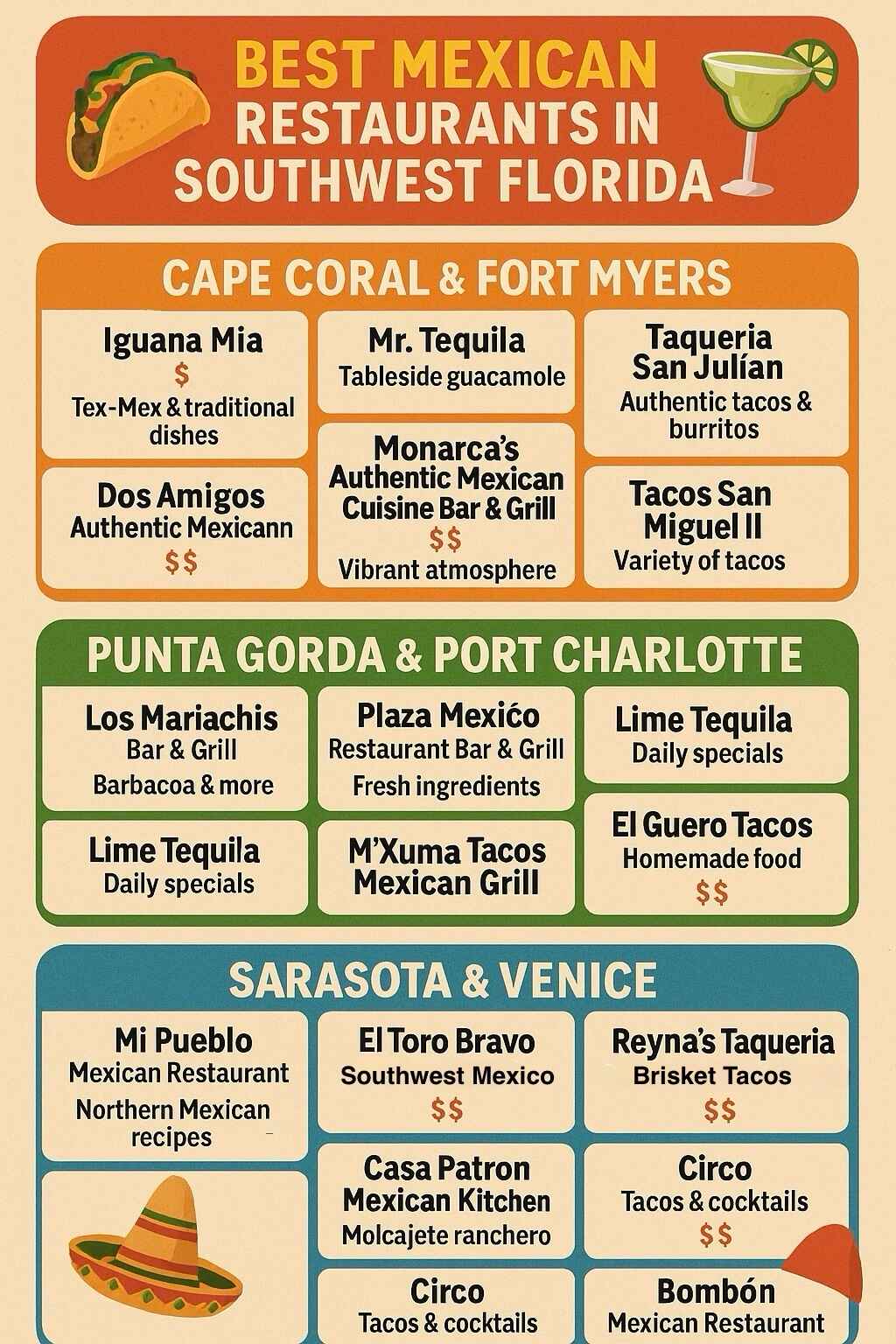
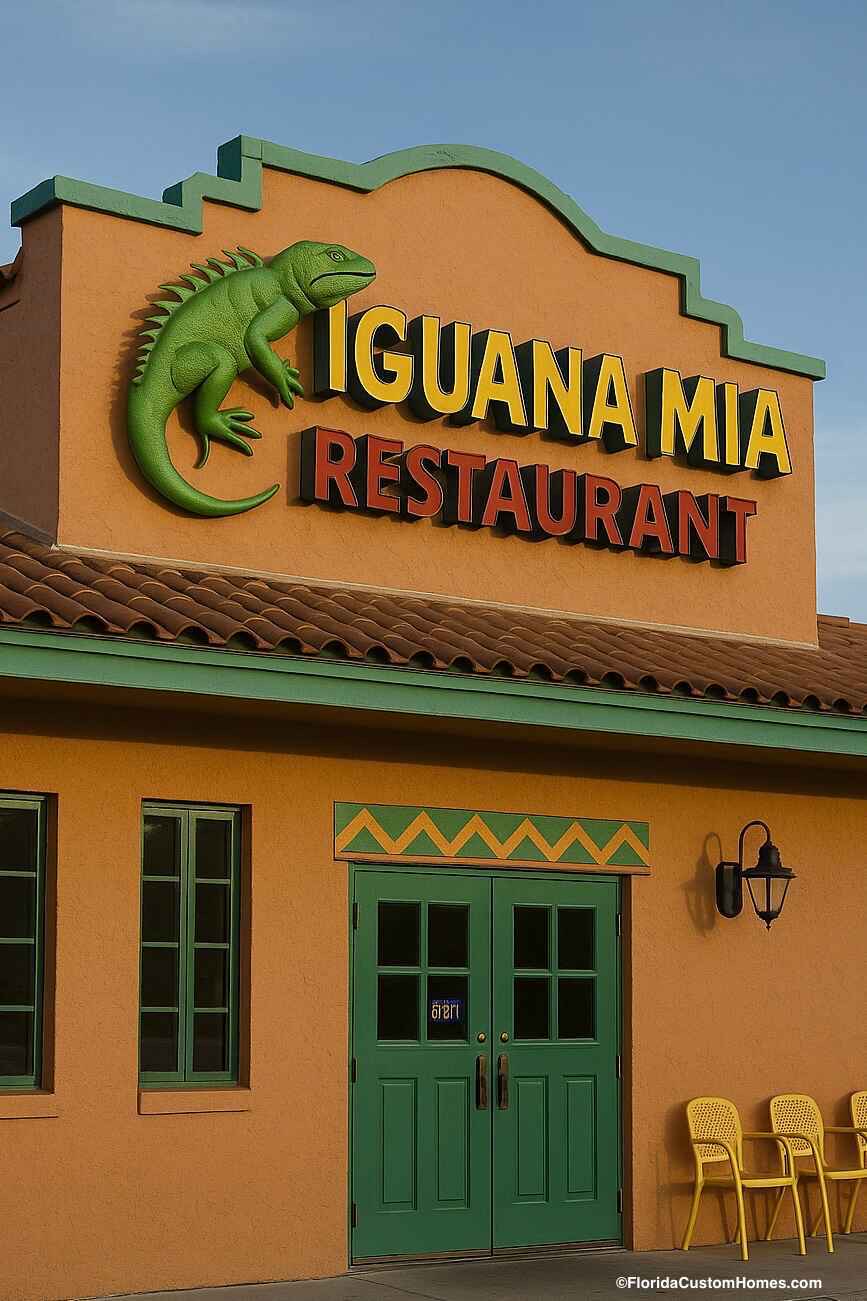 Iguana Mia
 Monarca's Authentic Mexican Cuisine Bar & Grill
.jpeg) Los Mariachis Bar & Grill
Los Mariachis Bar & Grill Lime Tequila
.jpeg) Mi Pueblo Mexican Restaurant
Mi Pueblo Mexican Restaurant.jpeg) Casa Patron Mexican Kitchen
Casa Patron Mexican Kitchen Conclusion


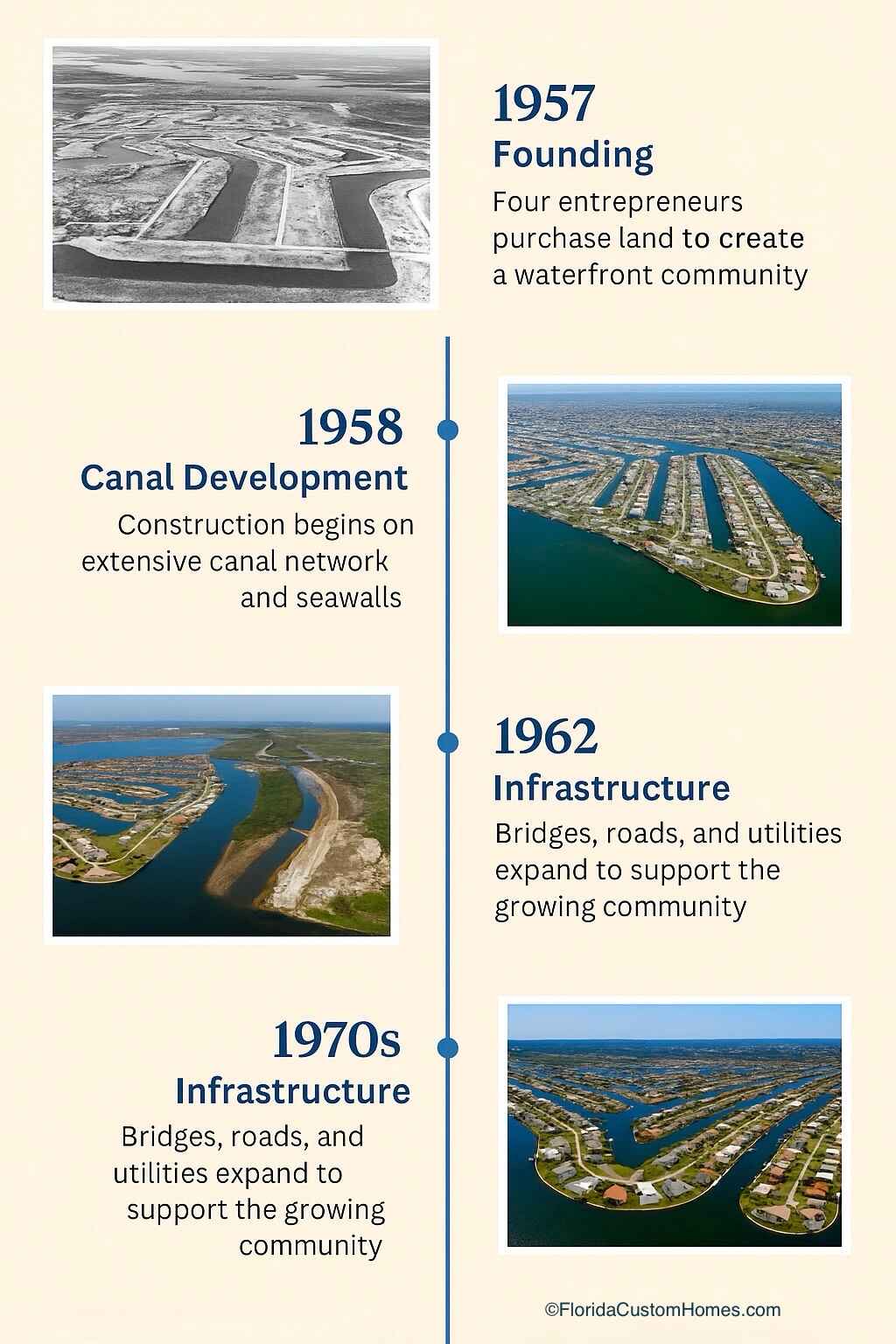 Punta Gorda Isles, Florida Waterfront Homes
.jpeg)
.jpeg)
.jpeg)