Aug. 19, 2025

Should Florida Consumers Be Wary When Purchasing Hurricane Impact Windows?

Hurricane Impact Windows

Should Florida Consumers Be Wary When Purchasing Hurricane Impact Windows?

Living in Florida means living with the reality of hurricanes. For homeowners across the Sunshine State, protecting your property from wind-borne debris and violent storms isn’t just a precaution—it’s a necessity. Hurricane impact windows offer a powerful layer of defense, but not all products are created equal. In fact, many consumers don’t realize that some manufacturers cut corners with cheaper materials or misleading certifications.

If you're investing thousands of dollars into impact-rated windows, you deserve transparency, durability, and code-compliant protection. In this comprehensive guide, we’ll explore why Florida homeowners should be informed—and sometimes wary—when purchasing hurricane impact windows.

What Are Hurricane Impact Windows?

Hurricane impact windows are specially engineered to resist strong wind pressures and flying debris during tropical storms or hurricanes. They’re constructed with laminated safety glass—two or more panes of glass bonded to a strong plastic interlayer (typically PVB or SGP). Even if the glass breaks, the interlayer holds the shards together, preventing dangerous shattering and helping the window remain intact within its frame.

Benefits of Hurricane Impact Windows

  • ✔ Protection from hurricane-force winds and debris
  • ✔ Enhanced home security (deters break-ins)
  • ✔ Reduced noise pollution
  • ✔ UV protection for interiors
  • ✔ Energy efficiency and insulation
  • ✔ Potential insurance discounts

Why You Should Be Cautious When Buying Impact Windows

1. Not All Impact Windows Use the Same Glass

One of the most important distinctions to understand is the type of glass used in the laminated assembly. High-quality systems often use tempered or heat-strengthened glass. However, some manufacturers use annealed glass—a weaker, cheaper option—inside their laminated units, especially in non-HVHZ (High Velocity Hurricane Zone) areas.

While laminated annealed glass can legally pass impact resistance tests in certain zones, it may not perform as well over time, especially during repeated or extreme impacts. Consumers should always ask what type of glass is being used and compare their options before making a decision.

2. Building Code Compliance Varies by Location

Florida is divided into zones based on wind velocity risk:

  • HVHZ (High Velocity Hurricane Zone): Includes Miami-Dade and Broward counties. Requires stricter standards—tempered or heat-strengthened laminated glass is usually mandatory.
  • Non-HVHZ: Covers the rest of Florida. Products can sometimes use laminated annealed glass if the entire unit passes standardized impact tests.

If a window system is built only to meet minimum non-HVHZ standards, it might not protect as well during more severe storm events. Always verify what your home’s zone requires by referencing the Florida Building Code.

3. Product Labels Can Be Misleading

Just because a product is labeled “impact-rated” doesn’t mean it’s suitable for every part of Florida. Many window systems are approved under specific conditions, such as window size, orientation, or anchoring methods. It’s essential to check the Florida Product Approval (FPA) number or the Miami-Dade Notice of Acceptance (NOA) to confirm that the specific model is approved for your region and application.

4. Cost-Cutting by Builders or Contractors

In some new construction homes or large-scale developments, builders may opt for cheaper window systems that technically meet code but don’t offer the same durability as higher-end systems. This is especially common in inland or lower-risk zones. Unfortunately, this often leaves homeowners unaware of what they’re getting—and vulnerable when a major hurricane makes landfall.

5. Misrepresentation by Salespeople

Window sales in Florida can be competitive, and some companies train their reps to emphasize “impact resistance” without fully disclosing material quality. Consumers should request technical specifications and not be afraid to ask tough questions about glass type, frame materials, interlayer thickness, and certifications.

How to Verify the Quality of Hurricane Impact Windows

1. Ask These Key Questions:

  • What type of glass is used? (Annealed, tempered, heat-strengthened?)
  • What interlayer is used, and how thick is it?
  • What is the Florida Product Approval or Miami-Dade NOA number?
  • Does this window meet HVHZ requirements (if applicable)?
  • What is the manufacturer’s warranty?

2. Verify the Approval Online:

Use the official Florida Building Code website to look up any product approval number: Search FBC Approvals

You can also search the Miami-Dade NOA Database to confirm HVHZ-rated products.

3. Review the Window Label or Etching:

Every impact-rated window must display a visible label or etched code showing the approval number, wind pressure rating, and product series. Check that these match the product documentation.

Types of Glass in Impact Windows

🔹 Annealed Glass

  • Standard float glass
  • Breaks into large, sharp shards
  • Cheaper but weaker
  • Must be laminated to be used in any impact window

🔹 Tempered Glass

  • Heated and rapidly cooled to increase strength
  • Breaks into small, blunt pieces
  • 4–5x stronger than annealed glass
  • Often used as outer layers in high-end laminated systems

🔹 Heat-Strengthened Glass

  • Similar to tempered but not as strong
  • Greater resistance to thermal stress than annealed
  • Often used in combination with other glass types

Insurance Implications

Many Florida insurance providers offer discounts for homes with hurricane-rated windows, but only if they meet specific code requirements. Windows installed with lower-tier laminated glass or missing certification labels may not qualify for wind mitigation credits—costing homeowners more in premiums long-term.

How to Shop Smart for Hurricane Impact Windows

  1. Research manufacturers and look for brands with a proven track record in Florida’s climate.
  2. Read the fine print in product brochures and specs—especially the glass makeup and interlayer composition.
  3. Work with a trusted installer who pulls permits, follows local code, and doesn’t rush the sale.
  4. Compare at least 2–3 quotes with full specifications before signing a contract.
  5. Inspect installed products before final payment. Confirm labeling, anchoring, and glass types match what was promised.

Red Flags to Watch For

  • ❌ Vague or missing product specs
  • ❌ Sales reps who can't explain glass composition
  • ❌ No Florida Product Approval number listed
  • ❌ Unrealistically low pricing (often signals low-grade materials)
  • ❌ Missing warranty or unclear installer guarantees

Conclusion: Informed Buyers Get Stronger Protection

Hurricane impact windows are a smart, valuable upgrade—but only if you're getting what you paid for. In Florida, it’s essential to go beyond surface-level claims and dig into the specifics of the glass, interlayer, and certification. Many lower-cost or builder-grade options use annealed laminated glass, which can pass basic tests but may not provide the best real-world performance in a major hurricane.

As a Florida homeowner, your job is to ask the right questions, verify product approvals, and demand transparency from manufacturers and contractors. When you do, you’ll make a safer, smarter investment in your home’s storm protection.

Need Help Choosing the Right Impact Windows?

Scott Meadows has over 35 years of experience helping Florida buyers and homeowners choose the right hurricane-resistant products. From Naples to Cape Coral and Fort Myers, Scott works with the top-rated manufacturers and knows how to match your needs with code-compliant, high-performance solutions.

📞 Call or Text: 239-220-1157
📧 Email: ScottMeadows3@gmail.com
🌐 Website: FloridaCustomHomes.com

Aug. 19, 2025

Why You Should Know If Your Hurricane Impact Windows Use Annealed Glass

Annealed Glass and Hurricane Impact Windows

Why You Should Know If Your Hurricane Impact Windows Use Annealed Glass

When Florida homeowners invest in hurricane impact windows, they do so expecting strength, durability, and code-compliant protection. But what many buyers don’t realize is that not all impact-rated windows are made equal—and in some cases, manufacturers use annealed glass in their laminated assemblies. While this may be legal under certain conditions, it’s important to understand what it means for your home’s safety, the building code, and your long-term investment.

What Is Annealed Glass?

Annealed glass is standard float glass that has been slowly cooled to relieve internal stresses. It’s commonly used in everyday applications like picture frames, cabinet doors, and basic residential windows. When broken, it fractures into large, sharp shards—unlike tempered glass, which shatters into small, blunt fragments.

On its own, annealed glass is not considered safety glass. That’s why it’s never used as a standalone component in hurricane-rated systems. However, when it is laminated with a polyvinyl butyral (PVB) or ionoplast interlayer, it can pass impact tests in some zones—provided the assembly is properly designed and tested.

Why Some Manufacturers Use Annealed Glass in Florida

1. Cost Savings

Annealed glass is significantly cheaper than tempered or heat-strengthened glass. By using it in laminated configurations (especially on the inner layer of double- or triple-pane assemblies), manufacturers can cut costs without always sacrificing certification in lower-risk zones. These savings are often passed to the builder—and sometimes to the homeowner—though often with little transparency.

2. Meeting Code in Non-HVHZ Areas

Florida’s building code distinguishes between HVHZ (High Velocity Hurricane Zones, such as Miami-Dade and Broward counties) and non-HVHZ areas (like Central and North Florida, or some parts of Southwest Florida). In non-HVHZ zones, laminated annealed glass may be permitted if the window system passes the required impact and cyclic pressure testing (ASTM E1996/E1886).

3. Strategic Layering in Insulated Glass Units

Some impact-rated windows use a combination of glass types. For example, the exterior pane may be tempered or heat-strengthened for impact resistance, while the inner pane is annealed and laminated. In insulated glass units (IGUs), annealed glass may be used for interior comfort and cost efficiency while relying on the outer layers for strength.

4. OEM and Builder Preferences

Production builders and developers may request value-engineered window systems to reduce overall construction costs. If a home is located away from direct coastal exposure, some contractors may accept window products with laminated annealed glass if they are code-compliant. However, homeowners may not be told about this tradeoff.

How Laminated Annealed Glass Works

Laminated glass is created by bonding two (or more) glass layers with a durable plastic interlayer, such as PVB or SGP. If the glass is broken, the interlayer holds the fragments together, preventing penetration and preserving the structural envelope of the home.

In laminated assemblies using annealed glass, the interlayer does most of the work. While the glass is weaker, the plastic core absorbs and distributes energy. When engineered correctly, this combination can resist windborne debris—at least in some conditions. But it’s still not as strong or durable as tempered or heat-strengthened glass laminates.

What Florida Building Code Says

  • HVHZ (Miami-Dade/Broward): Requires stronger glass, usually laminated tempered or heat-strengthened glass. Annealed glass is typically not allowed in hurricane impact systems here.
  • Non-HVHZ: Annealed laminated glass may be permitted if the complete assembly passes testing (large missile impact, cyclic pressure).
  • Always look for a Florida Product Approval (FPA) or Miami-Dade NOA (Notice of Acceptance).

Why Consumers Should Be Cautious

1. Not All “Impact Windows” Are Equal

Just because a window is labeled as "hurricane impact-rated" doesn't mean it's built with the same materials as the top-tier products. The term “impact window” can legally apply to a wide range of assemblies, and some may use weaker glass types as long as the system passes minimum tests. But “minimum” doesn’t always mean “optimal.”

2. Safety & Durability Risks

Annealed glass is more prone to cracking under pressure, flexing, or thermal stress. While the interlayer may prevent glass fallout, it could compromise energy efficiency, visibility, and long-term integrity—especially after a hurricane event. Tempered glass is simply stronger and more durable over time.

3. Misleading Marketing

Some manufacturers or sales reps may not disclose the specific type of glass used in their windows—especially if it’s annealed. Without detailed specifications, homeowners may assume all impact glass is created equal, which can lead to disappointment or risk after installation.

4. Resale Considerations

Buyers in hurricane-prone areas are becoming more educated about storm protection. Homes with lower-quality impact windows may face scrutiny during inspection, or may not receive the same insurance credits or premiums as homes with laminated tempered systems.

How to Know What You’re Buying

Ask the Right Questions:

  • Is the glass annealed, tempered, or heat-strengthened?
  • Can I see the Florida Product Approval or Miami-Dade NOA for this exact product?
  • Is the laminated glass certified for use in my specific wind zone?
  • What happens to the glass if it’s struck by debris?

Review the Labeling:

Every approved hurricane impact window should have a visible label or etching with its certification number. You can look up the approval at FloridaBuilding.org or check the Miami-Dade database.

Read the Fine Print:

Check the window specs or ask for a product datasheet. If it doesn’t clearly state that tempered or heat-strengthened glass is used, don’t assume it is. Many laminated products will say “annealed” in the glazing specs if that’s what’s used.

When Annealed Glass Might Be Acceptable

To be fair, laminated annealed glass isn’t automatically “bad.” In some inland zones with lower wind speeds and reduced exposure, it may provide reasonable protection—especially if paired with hurricane shutters or other exterior defenses. It also reduces costs for budget-conscious buyers or large-scale builders. But its use should always be intentional and informed.

The Bottom Line

Hurricane impact windows are a serious investment—and one of the most important defenses for your Florida home. Knowing whether your windows use annealed glass matters for safety, performance, insurance, and resale value. If you’re shopping for impact-rated windows, make sure you go beyond marketing terms and ask for full transparency about what’s in the glass.

Tempered or heat-strengthened laminated glass offers superior protection, but it comes at a cost. Annealed laminated glass can still meet code in some areas, but it’s essential to know its limitations—and whether it’s truly the best choice for your location and risk level.

Want Expert Advice Before You Buy?

If you're shopping for hurricane impact windows in Southwest Florida, make sure you work with a professional who understands product specs, building code, and how to match your home’s exposure level with the right window system.

Scott Meadows has over 35 years of experience helping homeowners navigate hurricane protection and Florida building code. From Naples to Fort Myers and Cape Coral, he’s helped clients choose the right impact windows—and avoid costly mistakes.

📞 Call or Text: 239-220-1157
📧 Email: ScottMeadows3@gmail.com
🌐 Website: FloridaCustomHomes.com

Aug. 19, 2025

The History of Hurricane Building Codes in Florida

The History of Hurricane Building Codes in Florida

The History of Hurricane Building Codes in Florida: How Storm-Resistant Homes Became the Standard

Florida is known for its sunny beaches, vibrant communities, and beautiful homes. But it is also one of the most hurricane-prone states in the United States. Over the decades, hurricanes have caused catastrophic damage, prompting lawmakers, builders, and engineers to develop stricter construction standards. These standards, known today as hurricane building codes, are designed to protect lives, homes, and property.

Understanding the evolution of these codes is crucial for homeowners, buyers, and real estate professionals in Florida. In this article, we’ll explore the history of hurricane building codes, how they were implemented, and why they continue to evolve.

What Are Hurricane Building Codes?

Hurricane building codes are regulations that dictate how homes and buildings must be constructed to withstand the high winds, flying debris, and flooding associated with hurricanes. These codes are part of the broader Florida Building Code (FBC), which sets statewide standards for construction safety, including electrical, plumbing, and structural integrity.

Key elements of hurricane building codes include:

  • Wind-load resistance: Ensuring roofs, walls, and doors can withstand high-velocity winds.
  • Roof attachment systems: Reinforcing roof-to-wall connections to prevent uplift.
  • Impact-resistant windows and doors: Reducing damage from flying debris during storms.
  • Storm surge elevation requirements: Elevating structures in coastal areas to reduce flood risk.
  • Structural anchoring: Securing the building’s foundation to resist movement during extreme weather.

These measures collectively reduce the risk of property loss and personal injury during hurricanes.

Early History: Local Codes Before Statewide Standards

Before the 1990s, hurricane building regulations in Florida were largely local and inconsistent. Coastal communities in Miami-Dade, Broward, and other counties had some building standards designed to withstand windstorms. However, inland areas often had no specific requirements, leaving homes vulnerable to hurricanes.

  • Inconsistent enforcement: Even in areas with local codes, enforcement was uneven. Many homes failed to meet the existing standards.
  • Limited scope: Early codes primarily focused on wind resistance, with little attention to roof systems, windows, or flood mitigation.

This lack of uniform standards meant that the destruction from major hurricanes could be catastrophic, affecting both coastal and inland communities.

The Turning Point: Hurricane Andrew (1992)

Hurricane Andrew, which struck South Florida in August 1992, was a wake-up call for the state. As a Category 5 hurricane, Andrew caused unprecedented destruction:

  • Homes destroyed: Approximately 25,000
  • Total damage: Over $25 billion (in 1992 dollars)
  • Regions affected: South Miami-Dade County and surrounding areas

Andrew exposed serious flaws in building design and code enforcement:

  • Roofs were lifted from homes due to inadequate attachment.
  • Windows and doors failed under high winds and flying debris.
  • Foundations and walls could not withstand hurricane-force winds.

The devastation highlighted the urgent need for comprehensive, statewide hurricane-resistant building standards.

Development of the First Florida Building Code (1996)

In response to Hurricane Andrew, Florida lawmakers, engineers, and building officials began developing a statewide building code that would address the vulnerabilities exposed by the storm.

  • Enacted: 1996
  • Purpose: Establish consistent construction standards for all Florida counties, including hurricane-resistant measures.
  • Scope: Wind-load design, roof connections, window and door strength, and foundation anchoring.

The 1996 Florida Building Code (FBC) marked the first time that hurricane-resistant construction became a statewide requirement, rather than being left to individual counties or cities.

Key features of the 1996 code included:

  • Wind-load design standards – Buildings had to withstand wind speeds based on location. Coastal areas had stricter requirements than inland areas.
  • Reinforced roof-to-wall connections – Homes were required to have stronger trusses and attachments to prevent uplift.
  • Impact-resistant windows and doors – Especially in hurricane-prone regions, windows and doors had to resist flying debris.
  • Structural anchoring and foundation requirements – Ensuring that homes remained secure during storms.

While the 1996 FBC was a major step forward, enforcement and adoption varied by county, leaving some areas with less protection.

Statewide Enforcement: 2002

To eliminate inconsistencies, Florida mandated statewide enforcement of the Florida Building Code on March 1, 2002. From that point forward:

  • Local jurisdictions were required to adhere to the FBC, with no allowances for weaker codes.
  • All new construction, major renovations, and building permits had to comply with hurricane-resistant standards.
  • Builders, architects, and engineers were held accountable for meeting the code requirements.

This enforcement significantly improved home safety and resilience, particularly in hurricane-prone regions like Miami-Dade, Broward, Collier, and the Florida Keys.

Major Updates to Hurricane Building Codes

Since 2002, the FBC has been updated every three years to reflect new research, technology, and lessons from hurricanes. Some key updates include:

2007 – Strengthening Coastal Standards

  • Revised wind maps: Updated the design wind speeds for various regions.
  • Impact-resistant fenestration: Required more durable windows and doors in coastal areas.
  • Improved roof systems: Strengthened roof attachments and truss design requirements.

2010–Present – Modern Enhancements

  • Storm surge elevation requirements: Homes in flood-prone zones must be elevated to reduce damage.
  • Advanced materials: Modern homes use reinforced concrete, steel, and impact-resistant glass.
  • Energy-efficient and resilient design: Incorporates sustainability alongside hurricane protection.

These updates ensure that Florida homes are built to the highest standards of hurricane resilience, protecting both homeowners and property values.

Why Hurricane Building Codes Matter for Homebuyers

Understanding hurricane building codes is essential for anyone buying or selling property in Florida. Homes constructed before the 1996 FBC may not meet modern standards and could be more vulnerable during storms.

Benefits of modern hurricane-compliant homes:

  • Increased safety: Stronger roofs, walls, and windows reduce risk of injury during hurricanes.
  • Lower insurance costs: Many insurance providers offer discounts for homes built to code.
  • Long-term value: Resilient homes maintain property value and reduce repair costs after storms.
  • Peace of mind: Homeowners can feel secure knowing their property is designed for extreme weather.

When buying a home, especially in hurricane-prone areas, ask about:

  • Year of construction and compliance with the FBC
  • Roof type and attachment system
  • Window and door impact resistance
  • Elevation and flood mitigation measures

Florida’s Ongoing Commitment to Hurricane Resilience

Florida continues to lead the nation in hurricane safety initiatives. The FBC evolves with new research, lessons from storms, and technological advancements. Key organizations contributing to hurricane resilience include:

  • Florida Building Commission (FBC): Updates the code and provides guidance for builders.
  • Federal Emergency Management Agency (FEMA): Provides flood maps and storm-surge data.
  • Insurance companies: Offer incentives for compliant homes.

Recent hurricanes, including Irma (2017) and Ian (2022), have demonstrated the effectiveness of modern hurricane building codes. Homes built to code sustained significantly less damage than older, non-compliant structures.

Tips for Homeowners and Buyers

  1. Verify compliance: Check the year of construction and code compliance when purchasing a home.
  2. Invest in retrofits: Older homes can be upgraded with reinforced roofs, impact windows, and storm shutters.
  3. Consult professionals: Real estate agents, architects, and engineers can provide insights on code compliance and safety measures.
  4. Stay informed: Florida’s building codes are updated regularly—stay aware of changes that could affect property safety and insurance.

Conclusion

Florida’s journey to hurricane-resistant homes began as a response to tragedy and devastation, particularly Hurricane Andrew in 1992. Since the first statewide hurricane building code in 1996, the state has continuously strengthened construction standards to protect homes, families, and communities.

For homeowners, buyers, and real estate professionals, understanding hurricane building codes is essential. These codes not only safeguard lives but also preserve property values and reduce long-term costs associated with storm damage.

Whether you’re purchasing a home in Miami, Fort Myers, Naples, or the Florida Keys, make hurricane resilience a priority. Modern, code-compliant homes are not just safer—they’re a smart investment.

Aug. 17, 2025

Why It’s Important to Work with a Port Charlotte Florida Buyer’s Agent in a Buyer’s Market – Scott Meadows Explains

Why it's important to work with a Port Charlotte Buyer's Agent

Why It’s Important to Work with a Port Charlotte Florida Buyer’s Agent in a Buyer’s Market – Scott Meadows Explains

Port Charlotte, nestled along the shores of the Peace River and Charlotte Harbor, offers a charming blend of waterfront living, affordability, and growth opportunity. With more buyers entering the market and inventory levels increasing, 2025 is shaping up to be a buyer’s market across much of Southwest Florida—including Port Charlotte.

But to make the most of this opportunity, one thing is crucial: work with a professional Port Charlotte buyer’s agent who has your best interests at heart.

Many buyers mistakenly contact the listing agent directly, thinking they can cut a deal or get faster access. The truth is: the listing agent works for the seller. If you’re serious about getting the best deal, avoiding costly missteps, and making a sound long-term investment, you need your own representation. In this guide, we’ll break down the realtor relationships, explain the pros and cons of each, and show you why working with a buyer’s agent like Scott Meadows gives you a powerful advantage in today’s market.


Understanding Realtor Relationships in Florida

In any real estate transaction, especially in Florida, there are different agency relationships a real estate professional may offer. Understanding these is key to protecting yourself.

1. Listing Agent (Seller’s Agent)

The listing agent has a legal and fiduciary responsibility to represent the seller’s best interests. Their job is to:

  • Secure the highest price and best terms for the seller

  • Promote the seller’s property

  • Disclose any information that may benefit the seller

  • Negotiate against the buyer’s interests

Even if you, as the buyer, contact the listing agent directly or attend an open house, that agent’s loyalty is to the seller—not you.

2. Buyer’s Agent

A buyer’s agent is a licensed real estate professional who represents you, the buyer. They work solely in your best interests and offer:

  • Expert property search assistance

  • Price and market analysis

  • Contract negotiation strategies

  • Guidance through inspections, appraisals, and closing

  • Protection through contingencies and timelines

They act as your loyal advocate throughout the process.

3. Transaction Broker (Florida Default)

Florida does not allow dual agency, but the default relationship is a transaction broker—meaning the agent helps both sides but does not represent either party exclusively. Their role is more administrative, and they cannot provide:

  • Negotiation strategies

  • Confidential advice

  • Fiduciary loyalty

This can leave buyers exposed in a competitive or complicated transaction.


Pros and Cons of Each Relationship

Role Pros Cons
Listing Agent Direct access to property Works solely for the seller; not your advocate
Transaction Broker Coordinates sale neutrally Limited representation; no negotiation advice
Buyer’s Agent Full loyalty and protection None; typically paid by the seller’s commission

Why Going to the Listing Agent Is Risky

Let’s say you find a Port Charlotte canal-front property that looks perfect. You call the agent on the sign. Seems simple, right? Not quite.

That agent is contractually obligated to act in the seller’s interest.

They may appear helpful, but they are not allowed to advise you on:

  • Whether the asking price is too high

  • What contingencies you should include

  • If a better deal might be available elsewhere

Instead, they are trained to get the highest price and most favorable terms for their seller client.

If you move forward without your own agent, you risk:

  • Overpaying for the property

  • Skipping key contingencies

  • Losing your deposit due to poor contract structure

  • Making emotionally-driven decisions without expert insight

Would you go to court with the other party’s attorney? Of course not. That’s why you need a buyer’s agent in real estate.


Why a Port Charlotte Florida Buyer’s Agent Is Essential in a Buyer’s Market

Port Charlotte is in the middle of a real estate shift. After years of low inventory and rising prices, 2025 is offering:

  • More listings

  • Longer time on market

  • Sellers more willing to negotiate

This is known as a buyer’s market—and it’s the perfect time to buy. But only if you have the right advocate in your corner.

Here’s how a Port Charlotte buyer’s agent like Scott Meadows can help you succeed:


✅ 1. Deep Local Market Knowledge

Scott Meadows knows the nuances of Port Charlotte:

  • Gulf-access vs non-Gulf-access homes

  • FEMA flood zone maps (Zone AE vs X)

  • New construction communities vs resale neighborhoods

  • Tax district differences and school zones

  • Upcoming infrastructure projects impacting value

He can steer you toward homes with the best long-term value, and help you avoid those with hidden problems.


✅ 2. Expert Negotiation

Even in a buyer’s market, the best homes still attract interest. You need someone who can:

  • Use comparable sales to justify your offer

  • Structure offers with favorable terms

  • Request seller concessions, rate buy-downs, or inspection credits

  • Keep your deposit protected

Scott Meadows is known for his ability to negotiate strategically and calmly, giving you the best possible outcome.


✅ 3. Contract & Contingency Protection

Contracts are binding legal documents. Without expert help, buyers may:

  • Miss inspection or financing deadlines

  • Accidentally waive important protections

  • Fail to understand complex addenda

Scott will ensure your offer includes:

  • Inspection periods and repair requests

  • Financing contingencies that protect your deposit

  • Appraisal clauses and home warranty options


✅ 4. Access to Off-Market Deals

Many of the best deals in Port Charlotte never hit the MLS. Scott maintains strong relationships with:

  • Custom builders offering pre-market new construction

  • Investors selling renovated properties

  • Sellers preparing to list but open to early offers

This insider access gives you an edge over other buyers.


✅ 5. Streamlined Process with Trusted Vendors

Scott Meadows has built a network of reliable professionals:

  • Home inspectors

  • Appraisers

  • Mortgage lenders

  • Real estate attorneys and title companies

  • Insurance agents and contractors

He connects you with the right people at the right time so your purchase is smooth and successful.


What Does It Cost to Hire a Buyer’s Agent?

This is the best part: Working with a buyer’s agent costs you nothing in most cases.

In Port Charlotte, as in most of Florida, the seller typically pays both agents’ commissions. That means:

  • You get expert negotiation and protection

  • At no out-of-pocket cost to you

You’d be crazy not to take advantage of it.


Who Should Work with a Port Charlotte Buyer’s Agent?

Scott Meadows recommends every buyer have their own representation, especially if you are:

  • A first-time homebuyer

  • Moving from out of state or another region

  • Buying new construction

  • Looking for waterfront or Gulf-access homes

  • Interested in investment properties or vacation homes

  • Navigating FEMA flood zones or insurance requirements

Even seasoned investors rely on local buyer’s agents for their insight and access.


Choosing the Right Port Charlotte Buyer’s Agent

Not all agents are created equal. When hiring a buyer’s agent in Port Charlotte, ask:

  • How long have they been in the Southwest Florida market?

  • Are they familiar with ICF construction, flood zones, and wind mitigation features?

  • Do they understand insurance trends and building codes post-Hurricane Ian?

  • Do they have a team of vendors to assist?

  • Are they responsive and detail-oriented?

Scott Meadows checks every box—and then some.


Why Work with Scott Meadows?

Scott Meadows is a Broker Associate with Premiere Plus Realty with over 35 years of real estate experience in Florida. He specializes in helping buyers across Port Charlotte, Punta Gorda, Cape Coral, Fort Myers, Naples, Estero, Bonita Springs, and Marco Island.

He’s not just an agent—he’s your trusted advisor, your advocate, and your deal-maker.

Here’s what sets Scott apart:

  • Deep knowledge of local market shifts and builder trends

  • Expertise in hurricane-resilient construction and flood mitigation

  • Strategic negotiation skills honed over decades

  • Honest advice backed by data—not sales tactics

  • Passion for helping buyers succeed and build wealth through real estate


🏡 Ready to Buy in Port Charlotte?

Now is your moment. The market is finally in your favor—but don’t go it alone. Let Scott Meadows help you find the perfect home, negotiate with confidence, and protect your investment for years to come.


📞 Contact Scott Meadows Today

Scott Meadows
Broker Associate – Premiere Plus Realty
📍 Serving Port Charlotte, Punta Gorda, North Port, Cape Coral, Fort Myers, Naples & Beyond
📞 Phone: 239-220-1157
📧 Email: ScottMeadows3@gmail.com
🌐 Website: FloridaCustomHomes.com


💬 Final Thoughts

In a buyer’s market, it’s not just about finding a home—it’s about making a smart decision. With Scott Meadows as your buyer’s agent in Port Charlotte, you’ll get:

✅ Representation that puts your interests first
✅ Market insights that give you a real edge
✅ A smooth, protected, and profitable home-buying experience


Don’t leave your investment to chance—work with Scott Meadows and win in today’s Port Charlotte real estate market.

Aug. 16, 2025

4842 SW 29TH Ave Cape Coral, FL 33914

4842 SW 29th

Paradise Awaits at 4842 SW 29TH Ave Cape Coral, FL 33914: A Resort-Style Gulf Access Estate Like No Other

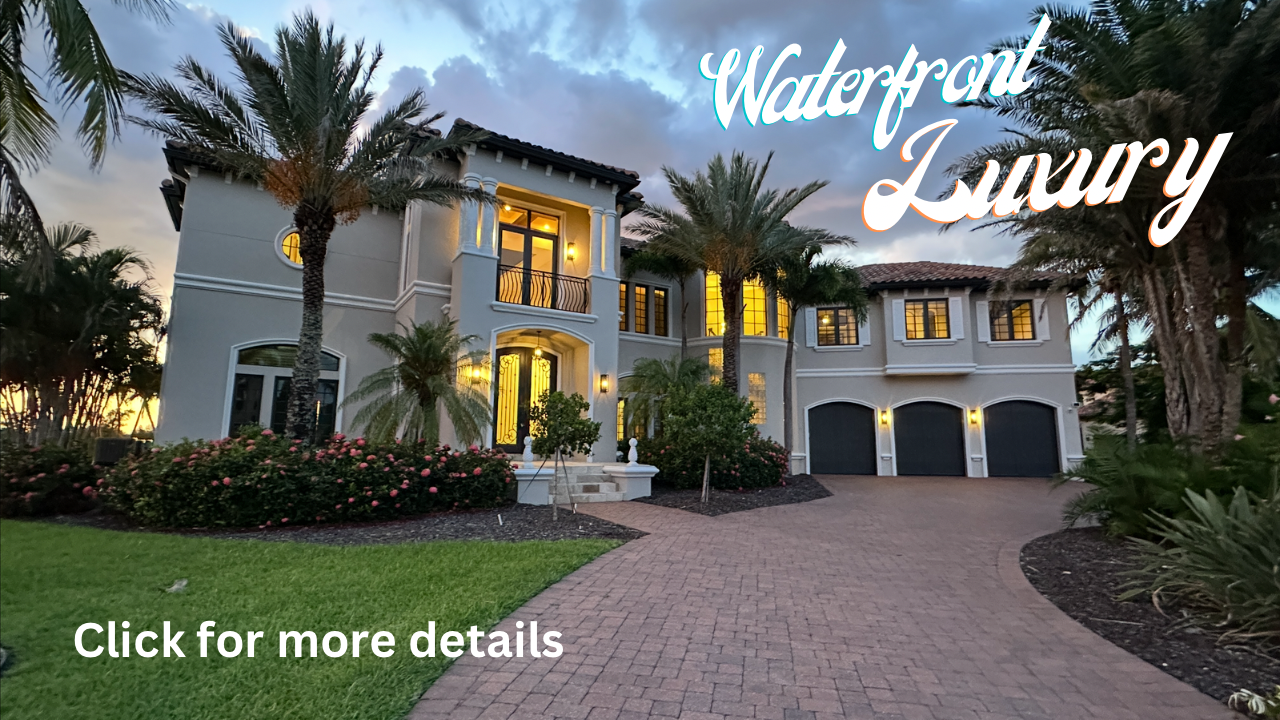
Welcome to a rare opportunity to own one of Cape Coral’s most extraordinary waterfront properties. Nestled on a premium triple lot along the prestigious South Spreader Waterway, 4842 SW 29TH Ave Cape Coral, FL 33914 is a true coastal gem—offering luxury, security, elegance, and direct Gulf access without compromise.

Start your Cape Coral Waterfront Home Search

Whether you're a seasoned boater, luxury real estate connoisseur, or simply looking for the ultimate Southwest Florida lifestyle, this estate is tailored to impress even the most discerning buyers.

4842 SW 29th

A Fortress Built for the Tropics: Hurricane-Proven Design with Peace of Mind

This elegant 6,308 sq ft custom home was engineered to endure. Withstanding Florida’s most powerful hurricanes, it has a proven record of storm resilience—never experiencing flood water intrusion. Even more reassuring, a transferable flood insurance policy is in place for approximately $1,400/year, providing valuable savings and peace of mind.

The solid construction, impact-rated windows and doors, and elevated positioning make this home a fortress-style sanctuary, combining durability with architectural beauty.

Unmatched Location: Direct Bridgeless Gulf Access on a Rare Triple Lot

Sitting proudly on .41 acres, this sprawling estate boasts commanding panoramic views of the protected mangroves and shimmering South Spreader Canal. Thanks to its lockless and bridgeless canal access, boaters enjoy quick and unobstructed navigation to the Caloosahatchee River and Gulf of Mexico.

No boat is too large here—the property includes custom docks designed to accommodate large yachts, plus a boat lift for smaller craft, making this the ideal home for boating enthusiasts who refuse to compromise.

Striking Curb Appeal: Tropical Beauty and Grand Design

From the moment you arrive at 4842 SW 29TH Ave, you’re greeted by lush tropical landscaping, swaying palm trees, and a grand paver driveway leading to the oversized 3-car garage. The architectural detailing exudes refinement and coastal sophistication.

A dramatic entrance through oversized double doors sets the stage for what awaits inside—a symphony of grandeur, natural light, and open space.

4842

Chef's Kitchen Masterpiece: Beauty Meets Function

The heart of the home is undoubtedly the gourmet chef’s kitchen, where luxury meets functionality in a space designed for culinary creativity and casual gathering alike.

  • Premium stainless-steel appliances
  • Oversized center island with bar seating
  • Custom cabinetry with abundant storage
  • Spacious walk-in pantry
  • Elegant tile backsplash and granite countertops

Whether you're preparing a gourmet meal or entertaining guests, this kitchen delivers a high-performance and visually stunning experience.

4842 SW 29th Ave Cape Coral, Florida 33914

Primary Suite Retreat: Serenity, Style, and Spectacular Views

The primary suite offers a true retreat from the world. With direct canal views, a luxurious spa-inspired bath, and a boutique-style custom walk-in closet, this private oasis is both tranquil and indulgent.

Enjoy morning sunrises or evening relaxation from your private balcony while watching boats glide by or the sun sink into the horizon.

4842 SW 29TH Ave Cape Coral, FL 33914

Four Private Guest Suites with Individual Waterfront Balconies

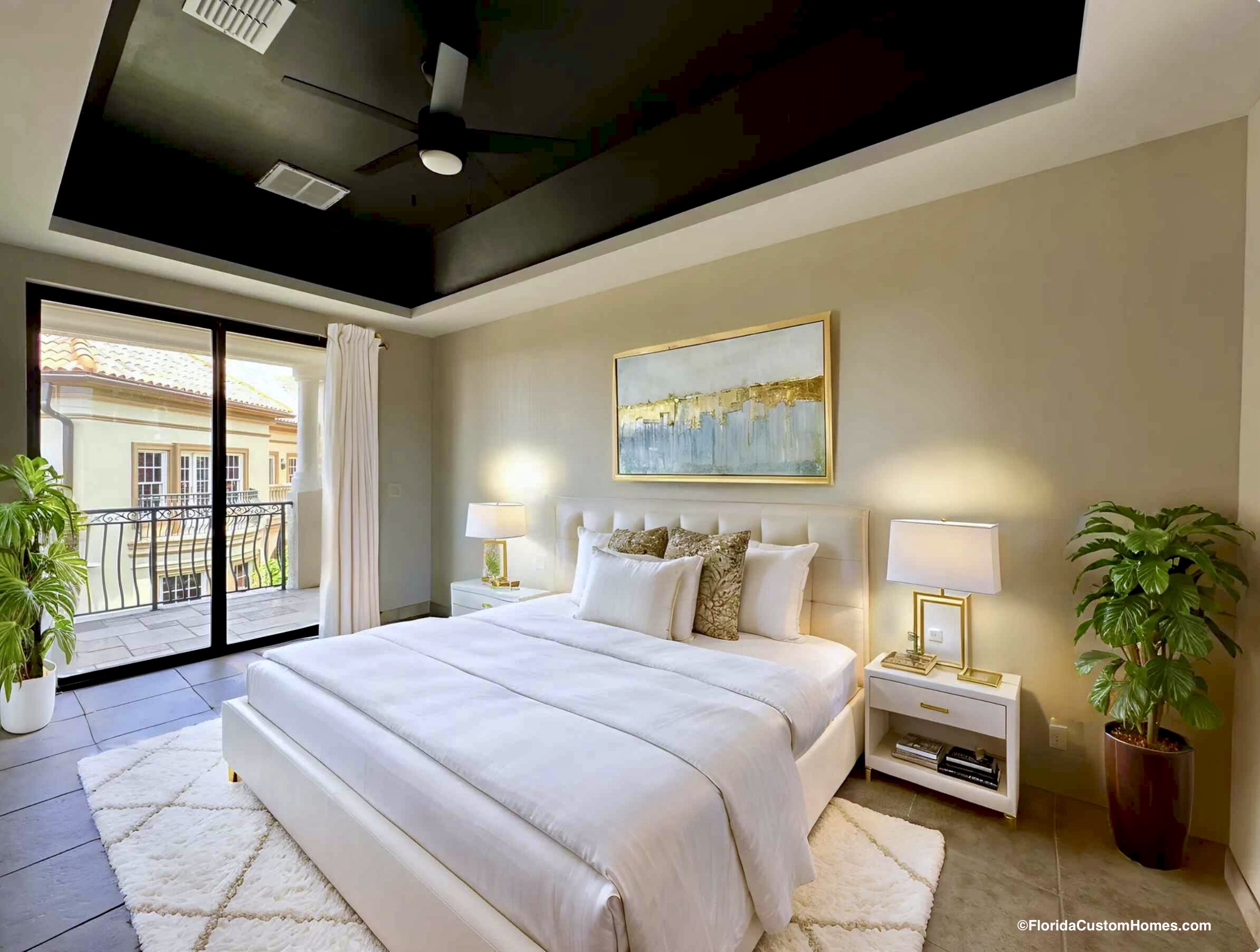
Each of the four bedrooms in this estate is designed as its own private suite—perfect for hosting family or guests in absolute comfort and privacy.

  • En-suite bathroom
  • Spacious layout and designer finishes
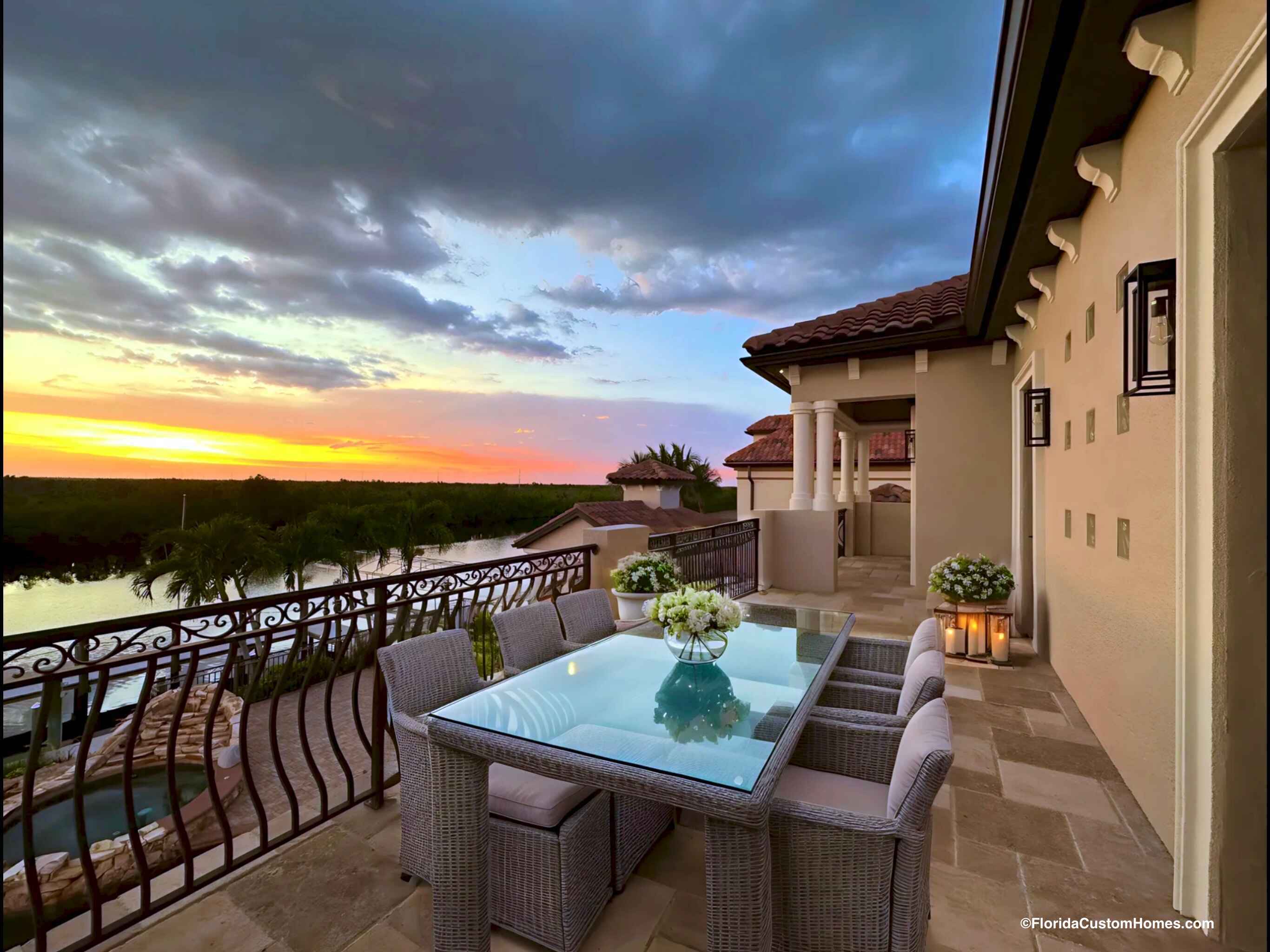
  • Private balcony overlooking the South Spreader Canal
  • Unobstructed Western or Southwestern sunset views

Indoor Entertainment: Theater Room, Game Room & Elegant Dining

Private Home Theater

  • Custom seating and lighting
  • Prewired surround sound
  • Perfect for movie nights, sports events, or gaming

Dedicated Game Room

A space to relax, play, and entertain with friends and family

Formal and Casual Dining Areas

  • Elegant formal dining room for holidays and dinner parties
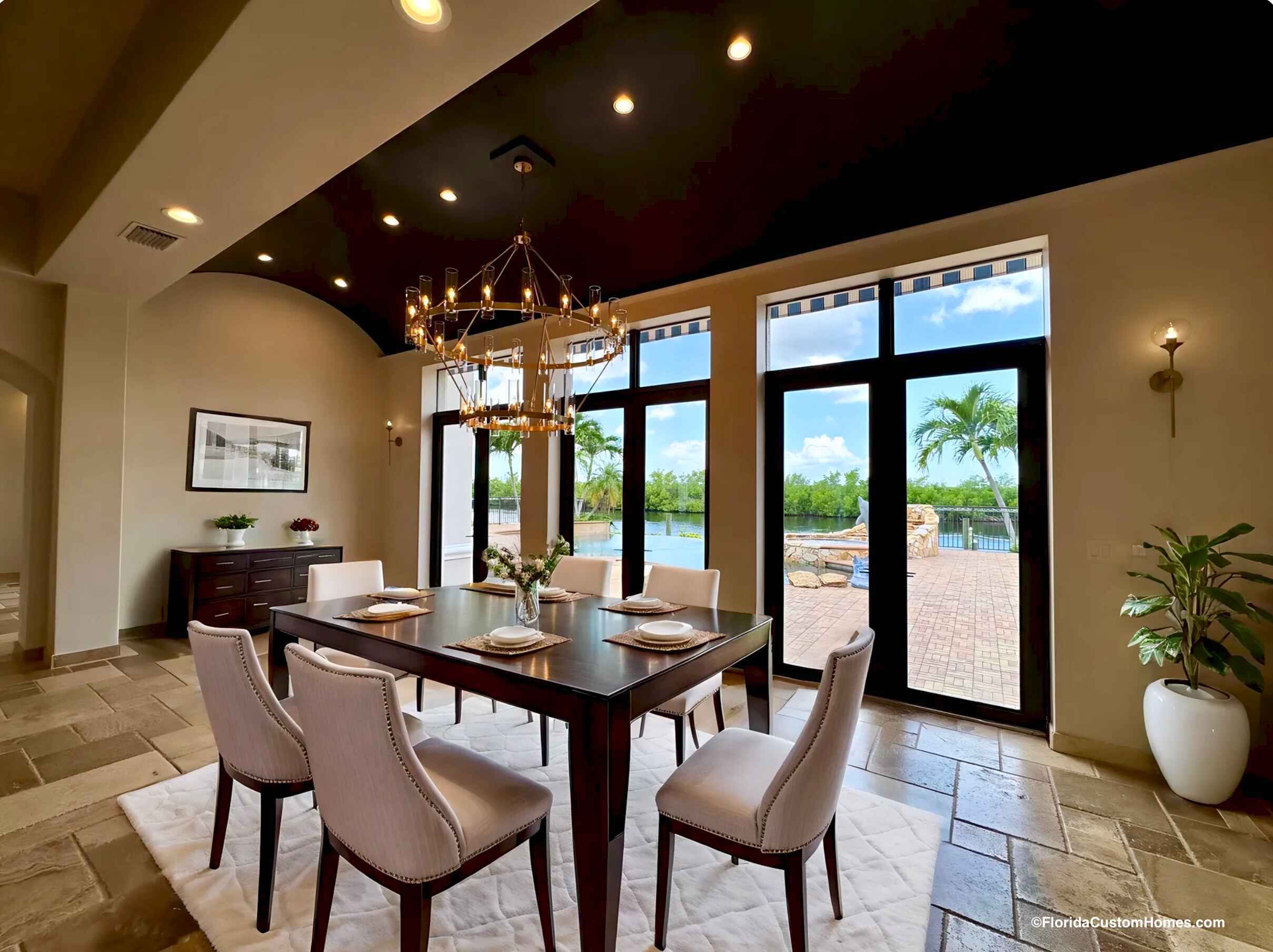
  • Casual breakfast nook with panoramic views of the pool and canal

Resort-Style Outdoor Living: Vanishing Edge Pool, Spa & Waterfall

Step outside and discover your private resort-style oasis, featuring a vanishing edge infinity pool that visually flows into the canal beyond.

  • Oversized spa with waterfall feature
  • Expansive pool deck with lounge and dining areas
  • Outdoor kitchen and grill area (optional upgrades available)
  • Sunset-facing orientation with unmatched tranquility

Smart Home Features and Premium Infrastructure

  • Prewired surround sound throughout
  • Smart home features for lighting, climate, and security
  • Whole-home water treatment system
  • Ample storage spaces, utility rooms, and organizational features

Prime Location: Minutes to Cape Harbour and Tarpon Point

Cape Harbour and Tarpon Point are just minutes away, offering:

  • Fine waterfront dining
  • Boutique shopping
  • Luxury marina access
  • Festivals, farmers markets, and nightlife

Additional Highlights & Investment Advantages

  • Triple Lot (0.41 Acres): Rare land size along the South Spreader
  • No HOA Fees
  • No Bridge or Lock Restrictions
  • Transferable Flood Policy
  • Meticulously Maintained – Move-In Ready
  • Competitive Pricing for Gulf Access Estate

Your Waterfront Dream Home Awaits

There is no other property quite like 4842 SW 29TH Ave Cape Coral, FL 33914. A perfect fusion of resort-style living, hurricane-safe construction, and direct boating access to the Gulf, this estate embodies everything Southwest Florida living should be.

Start your Cape Coral Waterfront Home Search

Aug. 16, 2025

The Ultimate Guide to Metal Roofing in Florida: Types, Benefits, and Storm Resistance

Florida Metal Roofing

The Ultimate Guide to Metal Roofing in Florida: Types, Benefits, and Storm Resistance

Introduction

Florida’s climate presents unique challenges for homeowners, with high heat, humidity, heavy rains, and hurricane-prone conditions throughout the year. Choosing the right roofing system is critical for durability, energy efficiency, and storm resistance. Metal roofing has emerged as a top choice for Florida homeowners due to its long lifespan, low maintenance, and ability to withstand extreme weather. In this comprehensive guide, we’ll dive into the different types of metal roofing available in Florida, including standing seam, corrugated, ribbed panels, aluminum, copper, zinc, and metal shingles or tiles. We will explore their benefits, drawbacks, storm resistance, and affordability to help you make an informed decision for your home.

1. Standing Seam Metal Roofs

Standing seam metal roofs are one of the most popular metal roofing systems for residential homes in Florida. They consist of long vertical panels with raised seams that interlock, creating a sleek, modern, and continuous look. These seams not only provide an attractive design but also help prevent water infiltration during heavy rains.

Material Options

Standing seam roofs are typically available in steel, aluminum, or zinc. Steel panels are strong and durable, aluminum is lightweight and corrosion-resistant, and zinc provides natural self-healing properties that make it long-lasting.

Pros

  • Exceptional wind resistance, making it ideal for hurricane-prone areas.
  • Minimal maintenance required compared to traditional roofing materials.
  • Long lifespan, ranging from 40 to 70 years.
  • Can often be installed over existing roofs, reducing tear-off costs.

Cons

  • Higher upfront cost compared to asphalt shingles and other metal options.
  • Professional installation is necessary to ensure proper interlocking and sealing.

Best For

Homeowners looking for a highly durable, storm-resistant, and visually modern roof that offers superior longevity and low maintenance.

2. Corrugated Metal Roofing

Corrugated metal roofing is one of the most recognizable metal roofing styles, featuring wavy panels that provide strength and rigidity. Often made from steel or aluminum, corrugated panels have been used for decades on residential, agricultural, and industrial buildings.

Pros

  • Highly affordable compared to standing seam or metal tiles.
  • Lightweight and easy to handle, reducing labor costs.
  • Can be installed quickly over existing roofs.

Cons

  • Moderate wind resistance compared to standing seam systems.
  • Aesthetic options are limited, making it less versatile for upscale residential homes.

Best For

Cost-conscious homeowners, garages, and agricultural-style buildings where budget-friendly, durable roofing is the primary concern.

3. Ribbed Metal Panels

Ribbed metal panels are flat panels reinforced with ribs or ridges, adding strength and rigidity. These panels offer a balance between durability and aesthetics and can often mimic the look of traditional shingles or tiles.

Pros

  • Strong resistance to high winds, making it suitable for coastal areas.
  • Versatile design options that enhance curb appeal.
  • Long lifespan, typically 30–50 years.

Cons

  • Installation is more complex than corrugated panels.
  • More expensive than basic corrugated metal options.

Best For

Homeowners in coastal regions who need both aesthetic appeal and strong storm resistance.

4. Metal Shingles and Tiles

Metal shingles or tiles are designed to replicate the appearance of traditional roofing materials like slate, clay tiles, or cedar shakes, while offering the performance and durability of metal. They are available in steel, aluminum, or copper alloys.

Pros

  • Combines the aesthetic appeal of traditional materials with the durability of metal.
  • Fire-resistant, lightweight, and highly durable.
  • Reflects solar heat, improving energy efficiency in Florida’s hot climate.

Cons

  • Higher upfront cost compared to standard metal panels.
  • Requires specialized installation to achieve proper interlocking and sealing.

Best For

Homeowners seeking the look of luxury roofing with the performance of metal, especially in hurricane-prone areas.

5. Aluminum Roofing

Aluminum roofing is particularly popular in Florida due to its excellent corrosion resistance, making it ideal for coastal and high-humidity areas. Aluminum panels or shingles can be installed in standing seam or ribbed configurations.

Pros

  • Resistant to rust and corrosion caused by saltwater and humid climates.
  • Lightweight and environmentally friendly.
  • Energy-efficient due to its reflective properties.

Cons

  • Can be dented by hail or falling debris.
  • May require specialized fasteners to accommodate expansion and contraction.

Best For

Homes near the coast or in areas with high humidity where corrosion is a concern.

6. Copper Roofing

Copper roofing offers a luxurious, long-lasting roofing solution. Over time, copper develops a natural patina that protects the metal and adds aesthetic appeal. This roofing type is often used on high-end residential and historical properties.

Pros

  • Extremely durable, with a lifespan of over 100 years.
  • Aesthetic appeal and unique luxury look.
  • Resistant to corrosion and fire.

Cons

  • Very high upfront cost.
  • Requires professional installation with specialized expertise.

Best For

Luxury homes, historic properties, and homeowners seeking a statement roof with unmatched longevity and visual appeal.

7. Zinc and Zinc-Alloy Roofing

Zinc roofing, often used in custom or luxury homes, offers a sustainable, long-lasting metal roofing solution. Zinc panels or shingles are known for their corrosion resistance and natural patina development over time.

Pros

  • Corrosion-resistant and eco-friendly.
  • Low maintenance and extremely durable.
  • Develops a protective patina that extends lifespan.

Cons

  • Expensive compared to steel or aluminum.
  • Limited availability in Florida.

Best For

Custom luxury homes where durability, aesthetics, and environmental sustainability are top priorities.

8. Hurricane-Rated Metal Roofing Systems

Florida has strict building codes in coastal and hurricane-prone areas, and many metal roofing systems are engineered to meet or exceed these requirements. Hurricane-rated metal roofs are designed to resist high winds and impact from flying debris.

Benefits

  • Wind resistance up to 150 mph or more, depending on the system.
  • Impact-resistant options that can withstand debris during storms.
  • Enhanced structural integrity that meets Florida Building Code (FBC) standards.

Best For

Homeowners in coastal or high-risk hurricane zones seeking maximum storm protection and long-term reliability.

Comparing Metal Roofing Options in Florida

Here is a side-by-side comparison of the key metal roofing options available to Florida homeowners:

Type Pros Cons Best Use
Standing Seam Excellent wind resistance, long lifespan, low maintenance High upfront cost, professional installation required Coastal & hurricane-prone homes
Corrugated Panels Affordable, lightweight, easy to install Moderate storm resistance, limited aesthetics Budget-conscious homes, garages
Ribbed Panels Strong, versatile, aesthetic appeal Complex installation, more expensive than corrugated Coastal & design-conscious homes
Metal Shingles/Tiles Luxury look, durable, energy-efficient High upfront cost, specialized installation Luxury & traditional-style homes
Aluminum Corrosion-resistant, lightweight, energy-efficient Can dent, requires proper fasteners Coastal and high-humidity homes
Copper Extremely durable, luxurious aesthetic, fire-resistant Very expensive, specialized installation High-end or historic homes
Zinc/Zinc-Alloy Corrosion-resistant, eco-friendly, low maintenance Expensive, limited availability Custom luxury homes

Affordability vs. Storm Resistance

When selecting a metal roof in Florida, homeowners must balance cost and storm resistance. Here’s a general guide:

  • Most Affordable: Corrugated metal panels and standard ribbed panels offer low-cost installation while still providing adequate protection in non-coastal areas.
  • Moderate Cost & High Performance: Standing seam aluminum and ribbed metal panels offer a balance of affordability, durability, and hurricane resistance.
  • Premium & Maximum Storm Resistance: Standing seam steel, metal shingles, copper, and zinc roofs provide superior storm resistance, longevity, and luxury appeal but come at a higher cost.

Homeowners in hurricane zones should prioritize wind-resistant, impact-rated systems even if the upfront cost is higher, as these roofs can save thousands in potential storm damage.

Energy Efficiency and Maintenance Considerations

Florida homeowners also benefit from the energy efficiency of metal roofs. Metal reflects solar radiation, reducing cooling costs during hot summer months. Light-colored finishes increase reflectivity and energy savings, while dark finishes absorb more heat.

Maintenance is generally low for metal roofs. Standing seam, aluminum, and zinc require minimal upkeep, whereas copper and shingles may need occasional inspection for debris accumulation or sealant wear. Proper installation ensures long-term durability and prevents leaks, even during heavy tropical storms.

Conclusion

Metal roofing offers Florida homeowners a variety of options to suit every budget, design preference, and storm-resistance requirement. From affordable corrugated panels to premium standing seam, copper, or zinc roofs, metal roofing provides unmatched longevity, energy efficiency, and protection against the Sunshine State’s harsh weather.

Whether you are building a new home, replacing an old roof, or upgrading for hurricane protection, understanding the benefits, costs, and installation requirements of each metal roofing system is key to making an informed decision. Standing seam and metal shingles provide superior storm resistance, aluminum and ribbed panels balance affordability and performance, and copper or zinc offer unmatched luxury and durability.

Investing in the right metal roof ensures peace of mind, reduces long-term maintenance, and increases the value and curb appeal of your home in Florida.

For expert guidance on selecting the best metal roofing for your Florida home, contact a licensed roofing professional or your local contractor specializing in storm-resistant roofs.

Aug. 15, 2025

What Homebuyers Should Know About Closing Costs in Florida – A Complete 2025 Guide

Closing Costs for Florida Homebuyers

What Homebuyers Should Know About Closing Costs in Florida – A Complete 2025 Guide

If you're preparing to buy a home in the Sunshine State, you're probably focused on down payments, mortgage rates, and finding the right property. But one often-overlooked expense that can surprise buyers is closing costs. In Florida, closing costs can add up quickly, and being prepared will help you navigate the home buying process with confidence.

This comprehensive guide explores Florida homebuyer closing costs in 2025—from average amounts to what they include, who pays what, and how you can potentially reduce your out-of-pocket expenses.

What Are Closing Costs?

Closing costs are the fees and expenses associated with finalizing a real estate transaction. These costs cover everything from title services and appraisals to lender fees and taxes. They are separate from your down payment and are typically paid on the day of closing.

In Florida, closing costs for homebuyers usually range from 2% to 5% of the home’s purchase price. This means if you buy a $400,000 home, you could pay anywhere from $8,000 to $20,000 in closing costs, depending on a variety of factors.

Average Florida Closing Costs for Buyers in 2025

According to industry sources, Florida ranks among the higher-cost states for real estate closing fees due to its unique title insurance system and transfer taxes. Here’s what the average buyer can expect:

  • Typical range: 2% – 5% of purchase price
  • Average cost: Approximately 2.3% of the sale price
  • Example: $409,000 home = ~$9,400 in closing costs

The variation depends largely on whether you pay in cash or finance your home, the purchase price, location, and your negotiations with the seller.

Breakdown of Common Buyer Closing Costs in Florida

Let’s look at the main fees typically included in Florida buyer closing costs:

1. Loan-Related Fees

  • Origination Fee: Charged by the lender to process your loan, typically 0.5% – 1% of the loan amount.
  • Appraisal Fee: $300–$600 to assess property value for the lender.
  • Credit Report Fee: $30–$50 to review your credit history.
  • Underwriting Fee: $400–$600 to evaluate your application and financial documents.

2. Title and Settlement Fees

  • Title Search: $200–$400 to check for liens or legal issues.
  • Title Insurance: ~$1,000 for a $300,000 home (varies by price and location).
  • Settlement/Closing Fee: $500–$900 charged by the title company or attorney managing the transaction.

3. Prepaid Expenses

  • Property Taxes: Prorated based on closing date.
  • Homeowner’s Insurance: Usually 1 year paid upfront.
  • Mortgage Insurance: If putting less than 20% down.
  • Prepaid Interest: Covers interest from closing to the end of that month.

4. Recording & Transfer Fees

  • Recording Fees: Paid to the county for documenting the deed and mortgage (~$100–$250).
  • Transfer Taxes (Doc Stamps): Seller typically pays on the deed, but buyers pay on the mortgage (~$0.35 per $100 of loan).

5. Other Optional Costs

  • Survey Fee: $300–$500 (required by some lenders or for new homes).
  • Attorney Fees: Not required in Florida, but some buyers choose to hire a real estate attorney ($500–$1,500).
  • HOA Transfer Fees: If the home is in a homeowners association.

Who Pays Closing Costs in Florida?

In Florida, closing costs are typically split between the buyer and the seller, although this can vary based on regional practices and contract negotiations.

Buyer Responsibilities:

  • Lender fees (loan origination, appraisal, underwriting)
  • Title insurance (unless negotiated otherwise)
  • Recording fees and prepaid taxes/insurance
  • Mortgage-related taxes (documentary stamps)

Seller Responsibilities:

  • Real estate agent commissions (typically 5%–6% total)
  • Deed transfer taxes (documentary stamps on sale price)
  • Outstanding property taxes or HOA fees

Florida-Specific Closing Cost Considerations

Florida has some unique elements that influence closing costs:

  • Title Insurance: Florida uses a promulgated rate system, so title insurance costs are relatively standardized but vary by purchase price.
  • No State Income Tax: Helps balance out higher transaction costs.
  • Documentary Stamp Taxes: Required on both the deed and the mortgage; typically 0.70% of the sale price and 0.35% of the mortgage amount.

How to Estimate Your Florida Closing Costs

To get a rough idea of what your closing costs might look like, use this simple formula:

Estimated Closing Costs = Home Purchase Price × 2% to 5%

For example:

  • $300,000 home → $6,000 to $15,000 in closing costs
  • $500,000 home → $10,000 to $25,000 in closing costs

Many mortgage lenders and title companies also provide closing cost calculators on their websites for more accurate estimates.

Can Buyers Negotiate Closing Costs?

Absolutely. In a buyer’s market or with motivated sellers, you can negotiate for the seller to pay a portion of your closing costs. Common strategies include:

  • Requesting seller-paid closing costs as part of the purchase offer
  • Rolling some fees into the loan (if allowed by the lender)
  • Shopping around for more affordable title services or lenders

How to Reduce Your Closing Costs

Here are a few tips to help lower your closing expenses:

1. Compare Loan Estimates

Get quotes from at least three lenders to find the lowest fees, especially for origination and underwriting.

2. Shop for Title Insurance

While the insurance rate is set, you can shop for the title company itself, which may offer discounts or rebates on other services.

3. Ask About Lender Credits

Some lenders offer credits in exchange for a slightly higher interest rate—this can reduce upfront costs.

4. Work With an Experienced Buyer’s Agent

They can negotiate seller concessions and guide you through closing costs more effectively than going it alone.

Do Florida Cash Buyers Still Pay Closing Costs?

Yes, but they typically pay less. Since there’s no mortgage, cash buyers avoid lender fees, mortgage taxes, and many prepaid escrow items. However, they’re still responsible for:

  • Title insurance and settlement fees
  • Recording fees
  • Prorated taxes and HOA fees
  • Home inspections and surveys (if desired)

Cash buyers in Florida often pay around 1% – 2% of the purchase price in closing costs.

Final Thoughts: Be Prepared to Budget Wisely

Closing costs are an essential part of buying a home in Florida. While they may seem like a small percentage, they can add up to thousands of dollars. Planning ahead and working with the right professionals can help you minimize your expenses and avoid surprises at the closing table.

Whether you're a first-time homebuyer or a seasoned investor, understanding Florida homebuyer closing costs is a key part of making a smart real estate decision in 2025 and beyond.

Need Help Navigating Your Florida Home Purchase?

If you're looking to buy a home in Florida and want expert guidance through every step—including closing costs, inspections, and negotiations—contact Scott Meadows today.

Scott Meadows
Broker Associate, Premiere Plus Realty
📞 239.220.1157
📧 ScottMeadows3@gmail.com
🌐 FloridaCustomHomes.com

With over 35 years of experience helping buyers achieve their dreams in Southwest Florida, Scott is here to ensure your next home purchase is smooth, affordable, and successful.

Aug. 15, 2025

Are New Construction Homes in Florida Becoming More Storm and Hurricane Resistant in August 2025?

Storm and Hurricane Resistance in New Construction Homes in Florida August 2025

Are New Construction Homes in Florida Becoming More Storm and Hurricane Resistant in August 2025?

Florida is no stranger to hurricanes and severe storms. Over the past few decades, the Sunshine State has experienced some of the most powerful and destructive storms in U.S. history, from Hurricane Andrew in 1992 to Hurricane Ian in 2022. With the rising frequency and intensity of storms, homebuyers are increasingly concerned about the resilience of their homes. Fortunately, new construction homes in Florida in 2025 are being built stronger and smarter, with advanced features designed to withstand hurricanes and protect families and property.

In this article, we’ll explore the latest trends in storm-resistant home construction, the materials and technologies making new homes safer, and what this means for Florida homebuyers today.

Florida’s Evolving Building Codes and Hurricane Standards

One of the most significant drivers behind stronger new construction homes is Florida’s stringent building code system. After Hurricane Andrew devastated South Florida in 1992, the state enacted the Florida Building Code (FBC), which has been continuously updated to improve structural integrity in high-wind areas.

High-Velocity Hurricane Zones (HVHZ)

  • Certain coastal regions, including Miami-Dade, Broward, and parts of Tampa Bay, are designated as HVHZ.
  • Homes in these zones are required to withstand sustained winds of up to 150 mph or more.
  • Roofs, windows, doors, and garage doors must meet impact and wind testing standards, ensuring they resist debris penetration and structural failure.

Benefits for Homeowners

  • Reduced risk of catastrophic damage during hurricanes.
  • Lower insurance premiums for homes meeting FBC standards.
  • Increased long-term property value due to enhanced durability.

Modern Roofing Systems: First Line of Defense

The roof is one of the most vulnerable parts of any home during a hurricane. New construction homes in Florida are now using advanced roofing systems that significantly improve wind resistance and durability.

1. Impact-Resistant Shingles and Tiles

  • Many builders are opting for Class 4 impact-resistant shingles, which withstand impacts from flying debris.
  • Tile roofs, particularly concrete and clay, are reinforced to remain intact under high winds.

2. Standing Seam Metal Roofs

  • Gaining popularity in coastal areas for their exceptional wind resistance.
  • Vertical panels with raised seams interlock for added strength.
  • Lifespan of 40–70 years with minimal maintenance.

3. Roof-to-Wall Connections

  • Hurricane straps and clips are standard in new construction.
  • Prevent roof uplift during strong winds, a common cause of major hurricane damage.

Impact-Resistant Windows and Doors

Windows and doors are often the weakest points during a storm. Florida builders are responding with impact-resistant materials and innovative designs.

1. Laminated Glass and Tempered Windows

  • Designed to resist penetration from wind-borne debris.
  • Reduce the risk of interior flooding and structural damage.

2. Impact-Resistant Doors

  • Entry doors and sliding doors are tested to withstand hurricane-force winds and debris.
  • Many come with reinforced frames and locks for added security.

3. Automated Shutters

  • Some modern homes include smart, automated hurricane shutters.
  • Homeowners can deploy protection quickly, even when away.

Elevated Foundations and Flood Mitigation

Flooding is as dangerous as high winds during a hurricane. New construction homes in Florida are designed with elevation and drainage in mind, especially in flood-prone areas.

1. Elevated Home Designs

  • Coastal homes often sit on pilings, piers, or elevated slabs.
  • This reduces damage from storm surge and flash flooding.

2. Advanced Drainage Systems

  • Homes integrate sump pumps, backflow preventers, and drainage solutions.
  • Landscaping is designed to channel water away from foundations.

3. Compliance with FEMA Standards

  • Many builders follow FEMA flood maps to determine proper elevation.
  • Ensures compliance with flood insurance requirements and reduces risk.

Stronger Materials and Structural Reinforcements

The durability of a home comes from its core materials and construction methods. Florida builders are increasingly using reinforced concrete, steel framing, and advanced adhesives to strengthen homes.

1. Concrete Block Construction

  • Common in southern Florida.
  • Provides excellent wind and impact resistance.

2. Reinforced Framing

  • Engineered wood and steel beams reduce structural failure.
  • Reinforced connections with hurricane straps ensure stability during high winds.

3. Smart Material Choices

  • New homes integrate materials that resist moisture, rot, and termite damage.
  • Essential in humid, hurricane-prone environments.

Energy Efficiency Meets Hurricane Resistance

Modern Florida homes don’t just protect against storms—they also save energy and reduce long-term costs.

1. Insulated Impact Windows

  • Prevent heat loss in winter and reduce heat gain in summer.
  • Dual-purpose: hurricane protection and energy efficiency.

2. High-Performance Insulation and Roofing

  • Reflective roofing materials and insulated walls improve home energy performance.
  • Reduces cooling costs in Florida’s hot climate.

3. Smart Home Integration

  • Automated systems for windows, doors, and shutters.
  • Some homes include backup generators for power continuity during storms.

Insurance Benefits and Financial Considerations

Stronger, hurricane-resistant homes offer financial advantages beyond safety.

1. Lower Insurance Premiums

  • Homes with impact windows, reinforced roofs, and elevated foundations qualify for reduced premiums.
  • Savings can be substantial, often hundreds to thousands annually.

2. Increased Property Value

  • Buyers are willing to pay more for storm-resistant, durable homes.
  • Resilience is a major selling point in a competitive market.

3. Long-Term Investment Protection

  • Hurricane-resistant construction mitigates damage, lowering repair costs and insurance claims.
  • Protects equity and ensures long-term stability.

Popular Builders Leading the Way

  • DR Horton – Reinforced concrete homes with impact windows in Charlotte County and North Port.
  • Pulte Homes – Elevated foundations and energy-efficient, hurricane-resistant designs.
  • Lennar and Taylor Morrison – Smart storm shutters and modern roof systems.

Why Buyers Should Prioritize Storm Resistance

Purchasing a home in Florida today is not just about aesthetics or location—it’s also about safety and longevity. Buyers should focus on:

  • Verified Impact-Rated Windows and Doors
  • Strong Roofing and Roof-to-Wall Connections
  • Elevated Foundations and Flood Mitigation
  • Reinforced Structural Materials
  • Smart Home and Automated Hurricane Protections

Conclusion: Florida New Construction Homes Are Safer Than Ever

As of August 2025, Florida’s new construction homes are significantly more storm and hurricane-resistant than ever before. Builders are leveraging:

  • Advanced materials like reinforced concrete, steel, and impact-resistant glass
  • Innovative designs like standing seam metal roofs and elevated foundations
  • Smart technologies such as automated shutters and backup power systems
  • Compliance with Florida Building Codes and FEMA flood regulations

For homebuyers, this means greater peace of mind, safer living, and long-term financial benefits. With hurricanes and severe storms becoming more frequent, choosing a new, hurricane-resistant home in Florida is one of the smartest investments a buyer can make.

Work With an Experienced Florida Real Estate Agent

If you’re looking to purchase a storm-resistant new construction home in Florida, working with an experienced agent who knows the latest hurricane-resistant features and communities is critical. Scott Meadows has over 35 years of experience in Southwest Florida real estate, specializing in helping buyers find homes that combine luxury, safety, and long-term value.

Phone: 239.220.1157
Email: ScottMeadows3@gmail.com
Website: FloridaCustomHomes.com

Aug. 14, 2025

Why It’s Important to Work with a Fort Myers Beach Florida Buyer’s Agent in a Buyer’s Market – Insights from Scott Meadows

Why it's important to work with a Fort Myers Beach Florida Buyer's Agent

Why It’s Important to Work with a Fort Myers Beach Florida Buyer’s Agent in a Buyer’s Market – Insights from Scott Meadows

Fort Myers Beach, with its white-sand coastline, laid-back lifestyle, and newly redeveloping infrastructure post-Hurricane Ian, is entering a pivotal phase for homebuyers. The local real estate landscape is undergoing a significant shift—inventory is up, sellers are more negotiable, and opportunities are emerging for smart buyers. But in this buyer's market, success isn’t just about timing; it’s about representation.

Many buyers unknowingly put themselves at a disadvantage by contacting the listing agent directly. While this may seem like a faster or simpler route, it can actually cost you thousands—if not more—during the negotiation and closing process.

In this article, we’ll explore:

  • The types of real estate agent relationships in Florida

  • Pros and cons of each relationship

  • Risks of working directly with the listing agent

  • The true benefits of hiring a Fort Myers Beach Buyer’s Agent

  • Why Scott Meadows is the trusted professional to guide your homebuying journey


🏡 Realtor Relationships in Florida: What Buyers Must Know

Understanding who an agent truly represents in a real estate transaction is critical. In Florida, several types of relationships are permitted under law:

1. Listing Agent (Seller’s Agent)

  • Hired by the seller to market and sell the property

  • Has a fiduciary duty to the seller

  • Seeks the highest price and best terms for the seller

  • Legally obligated to disclose buyer motivations if known

📌 Even if a buyer contacts the listing agent directly, that agent is not working for the buyer.

2. Buyer’s Agent

  • Represents you, the buyer

  • Works to negotiate the best price and terms

  • Offers guidance on contracts, contingencies, inspections, and closings

  • Advises and protects your interests throughout the transaction

✅ This is your personal advocate during the largest financial decision of your life.

3. Transaction Broker

  • Common default in Florida if no representation agreement is signed

  • Offers limited representation to both parties

  • Cannot fully advocate for either side

  • Cannot offer confidential advice or strategic negotiation


⚖️ Pros and Cons of Each Type of Representation

Agent Type Pros Cons
Listing Agent Direct access to seller info Works solely for the seller; no advocacy for buyer
Buyer’s Agent Full representation, protection, and market guidance None (commission is usually paid by seller)
Transaction Broker Helps with paperwork, closing steps Cannot provide negotiation advice or act in buyer’s favor

🚫 The Hidden Risk of Going Directly to the Listing Agent

Too often, buyers believe that contacting the listing agent directly will lead to a better deal. But this approach has serious drawbacks:

  • No advocacy: The agent works for the seller and is bound to protect their interests.

  • Conflict of interest: The agent may withhold negotiation strategies that could help you.

  • Disclosure risks: Anything you say—your budget, your urgency—can be used against you.

  • Limited advice: You may receive incomplete or one-sided guidance during inspections, contracts, and negotiations.

Imagine going to court and asking the opposing lawyer to represent you. That’s what it’s like when a buyer works with a listing agent.


🌴 Why Fort Myers Beach Buyers Need Their Own Agent

Fort Myers Beach is in the midst of a transformation. Post-hurricane redevelopment, shifting insurance landscapes, and new construction trends are reshaping the island’s future. That makes local expertise and buyer-focused advocacy essential.

Here’s how a dedicated Fort Myers Beach Buyer’s Agent like Scott Meadows makes all the difference:


✅ 1. Local Market Intelligence

Fort Myers Beach real estate is highly nuanced:

  • Zoning regulations differ by street

  • Flood zones and insurance requirements have changed post-Ian

  • Short-term rental rules vary by neighborhood

  • Some homes are grandfathered in, others must comply with new elevation codes

A seasoned buyer’s agent knows:

  • Which streets offer best storm resilience

  • Where the future value lies

  • What permits or upgrades may be required


✅ 2. Powerful Negotiation Strategy

In a buyer’s market, homes may sit longer, and sellers are more willing to:

  • Lower the price

  • Pay for closing costs or repairs

  • Offer credits for insurance or appraisal gaps

But you won’t get these advantages without strategic negotiation. A buyer’s agent like Scott Meadows brings:

  • Real-time market comparables

  • Custom offer strategies

  • Proven techniques to help buyers win with value, not just price


✅ 3. Contract & Contingency Protection

Real estate contracts are legal documents, and mistakes can be costly.

Without a buyer’s agent, you risk:

  • Missing key deadlines (e.g., inspections, loan commitments)

  • Waiving critical contingencies (e.g., financing, appraisal)

  • Losing your deposit

Your buyer’s agent will:

  • Draft bulletproof offers

  • Include contingencies that protect your investment

  • Track timelines to ensure nothing falls through the cracks


✅ 4. Access to Off-Market and Pre-MLS Listings

Experienced buyer’s agents are often the first to know about:

  • Pocket listings

  • Upcoming listings not yet on the MLS

  • Properties withdrawn but still available

  • Motivated sellers who prefer private negotiations

This access can help you beat the crowds, avoid bidding wars, and secure a better deal.


✅ 5. Local Network of Trusted Professionals

Real estate isn’t just about finding a home. It’s also about assembling the right team.

Scott Meadows connects buyers with:

  • Home inspectors familiar with beachfront and storm-damaged homes

  • Local title companies that understand flood zones and FEMA elevation issues

  • Insurance agents who can provide realistic policy quotes

  • Contractors and tradespeople for remodels or elevation upgrades


✅ 6. Expertise in New Construction & FEMA Compliance

Many buyers in Fort Myers Beach are looking at:

  • Brand new hurricane-resistant homes

  • Elevated homes above new base flood elevations

  • Homes with standing seam metal roofs, impact windows, and solar

Scott Meadows is well-versed in ICF (Insulated Concrete Form) construction and storm-resilient building techniques. He’ll help you identify:

  • Homes that meet or exceed 2023–2024 Florida Building Codes

  • Properties eligible for lower insurance premiums

  • Builders with strong reputations and financing incentives


✅ 7. Full Representation — at No Cost to You

In nearly all Fort Myers Beach real estate transactions:

  • The buyer’s agent’s commission is paid by the seller

  • You get full representation at no additional cost

  • There’s no financial downside to having an agent on your side


📍 Who Should Absolutely Hire a Fort Myers Beach Buyer’s Agent?

You’ll benefit from a buyer’s agent if you are:

  • A first-time buyer navigating contracts and inspections

  • A relocating buyer unfamiliar with the area

  • An investor purchasing a vacation rental or seasonal home

  • A cash buyer who still wants representation and protection

  • A buyer considering post-hurricane redevelopment or elevated construction

Even experienced buyers gain the edge with a knowledgeable local advocate.


🔍 What Makes a Great Fort Myers Beach Buyer’s Agent?

Look for someone who offers:

  • Local experience with island-specific zoning and floodplain knowledge

  • A proven track record of successful negotiations

  • In-depth knowledge of post-storm insurance and construction codes

  • Responsiveness and proactive communication

  • A wide network of trusted title, inspection, legal, and lender partners


✅ Why Scott Meadows is the Right Agent for Fort Myers Beach Buyers

Scott Meadows is a highly experienced Broker Associate with Premiere Plus Realty, proudly serving buyers in Fort Myers Beach and throughout Southwest Florida. With 35+ years of experience, he brings:

  • Deep familiarity with Fort Myers Beach zoning, FEMA maps, and building codes

  • Expertise in hurricane-resistant construction and ICF home buying

  • Strategic negotiation skills that help buyers save money and protect value

  • Relationships with trusted professionals to ensure a smooth transaction

  • A passion for helping buyers turn Florida real estate into generational wealth


📣 Ready to Work with a Fort Myers Beach Buyer’s Agent?

Don’t navigate this buyer’s market alone. Partner with a professional who puts your interests first, helps you spot true value, and protects your transaction from beginning to end.

Contact Scott Meadows Today:

Scott Meadows
Broker Associate – Premiere Plus Realty
📍 Serving Fort Myers Beach, Estero, Naples, Cape Coral, Bonita Springs & beyond
📞 Phone: 239‑220‑1157
📧 Email: ScottMeadows3@gmail.com
🌐 Website: FloridaCustomHomes.com


Let Scott help you secure the best deal in Fort Myers Beach — with confidence, clarity, and peace of mind.

Aug. 14, 2025

Why New Construction Homes in Cape Coral, Florida Are Becoming More Storm and Hurricane Resistant – August 2025

Why New Construction Homes in Cape Coral, Florida Are Becoming More Storm and Hurricane Resistant – August 2025

Why New Construction Homes in Cape Coral, Florida Are Becoming More Storm and Hurricane Resistant – August 2025

Cape Coral, Florida has long been one of the Sunshine State’s most desirable real estate markets, offering beautiful waterfront properties, modern communities, and a family-friendly lifestyle. However, living in Southwest Florida also comes with the responsibility of understanding hurricane and storm risks. With hurricanes and tropical storms becoming increasingly frequent and intense, homebuyers are now prioritizing storm and hurricane-resistant construction more than ever. As of August 2025, new construction homes in Cape Coral are significantly more resilient than older homes, combining modern design, advanced materials, and state-of-the-art technology to protect homeowners and their investments.

The Evolution of Hurricane-Resistant Homes in Cape Coral

Historically, Florida’s building codes have been strengthened after major hurricanes, starting with the transformative changes following Hurricane Andrew in 1992. Cape Coral, being a low-lying coastal city with an extensive canal system, faces unique challenges related to wind and flood risks. In recent years, local and state regulations have pushed builders to adopt stricter standards that go well beyond traditional construction methods.

Modern Cape Coral homes are designed with both wind and water resilience in mind. Homebuyers today are not only looking for aesthetically pleasing properties but also for structures that can withstand hurricanes and reduce insurance premiums. This trend has made hurricane-resistant features a core selling point for new homes in the area.

Key Features Making New Homes More Storm-Resistant

1. Reinforced Roofing Systems

  • Many new homes feature standing seam metal roofs or impact-resistant shingles engineered to withstand winds exceeding 140 mph.
  • Advanced roof-to-wall connections help prevent uplift during hurricanes, one of the most common causes of roof failure.
  • Roofing materials are increasingly selected for both durability and longevity, with lifespans of 40–70 years depending on materials and installation quality.

2. Impact-Resistant Windows and Doors

  • Modern homes use laminated or tempered glass windows that resist wind-borne debris.
  • Doors are reinforced to withstand both wind pressure and debris impacts.
  • Automated storm shutters and hurricane-grade screens provide additional protection during severe weather events.

3. Elevated Foundations and Flood Mitigation

  • Cape Coral’s low-lying geography makes flood mitigation essential. New homes often feature elevated foundations or pilings depending on the flood zone.
  • Advanced drainage systems and carefully planned landscaping reduce the risk of water intrusion during heavy rains.
  • FEMA-compliant elevation requirements are strictly enforced, ensuring compliance and safety for homeowners.

4. Reinforced Structural Materials

  • Builders use reinforced concrete, steel framing, and engineered lumber to strengthen structural integrity.
  • Hurricane straps and ties ensure that roofs remain secure during high winds.
  • Materials are designed to resist moisture, mold, rot, and termite damage, ensuring durability for decades.

5. Smart Home Technology for Storm Preparedness

  • Automated systems allow homeowners to close storm shutters, secure windows, and activate safety features remotely.
  • Some homes include backup power generators to maintain essential systems during outages.
  • Energy-efficient insulation and high-performance windows also contribute to cost savings and safety during extreme weather events.

Financial and Insurance Benefits of Hurricane-Resistant Homes

Investing in a storm-resistant home in Cape Coral offers more than peace of mind—it can also provide substantial financial advantages:

1. Lower Insurance Premiums

  • Homes built with impact-resistant windows, reinforced roofs, and elevated foundations often qualify for reduced homeowner insurance premiums.
  • Depending on the features, savings can range from hundreds to thousands of dollars annually.

2. Increased Property Value

  • Buyers are willing to pay a premium for homes designed to withstand hurricanes, making them highly marketable.
  • Resilience and modern construction features enhance long-term investment security.

3. Reduced Repair Costs

  • Storm-resistant features minimize damage during hurricanes, reducing repair and maintenance costs.
  • Lower claims history can also lead to additional insurance savings over time.

Builders Leading Hurricane-Resistant Construction in Cape Coral

  • DR Horton: Offers reinforced concrete homes with impact windows in North Cape Coral and Charlotte County.
  • Pulte Homes: Elevation and energy-efficient hurricane-resistant designs.
  • Lennar and Taylor Morrison: Smart storm shutters, advanced roofing, and modern structural engineering.

Why Buyers Should Prioritize Storm Resistance

For prospective homebuyers in Cape Coral, safety and resilience should be key considerations. When evaluating new construction homes, buyers should:

  • Verify impact-rated windows and doors
  • Inspect roofing and roof-to-wall connections
  • Check foundation elevation and flood mitigation features
  • Assess structural materials and construction techniques
  • Look for smart home hurricane preparedness features

The Future of Hurricane-Resistant Homes in Cape Coral

As climate change increases the frequency and intensity of tropical storms, new construction homes in Cape Coral will continue to evolve. Builders are expected to integrate:

  • Advanced materials such as reinforced steel, impact-resistant glass, and sustainable composites
  • Automated storm protection and emergency power systems
  • Innovative roof designs like standing seam metal and tile systems engineered for high winds
  • Flood-resistant landscaping and infrastructure integrated into community planning

These innovations ensure that Cape Coral remains a market leader in hurricane-resistant home construction, providing residents with safety, comfort, and long-term value.

Conclusion: Cape Coral Homes Are Safer Than Ever

As of August 2025, Cape Coral’s new construction homes have made remarkable strides in storm and hurricane resistance. Modern homes feature:

  • Reinforced roofing systems built to withstand extreme winds
  • Impact-resistant windows and doors
  • Elevated foundations and flood mitigation features
  • Smart home technology for storm preparedness
  • Reinforced materials and structural integrity

These advancements not only protect families and property but also enhance long-term value and reduce insurance costs. For buyers seeking a safe, modern, and resilient home in Cape Coral, understanding these features is essential to making an informed decision.

About Scott Meadows – Your Cape Coral New Home Expert

Scott Meadows has over 35 years of experience helping buyers navigate the Cape Coral real estate market, specializing in new construction homes with hurricane-resistant features. Scott ensures that homeowners make the best investment while enjoying peace of mind during hurricane season.

Contact Scott Meadows today:
Phone: 239-220-1157
Email: ScottMeadows3@gmail.com
Website: FloridaCustomHomes.com