Is Florida Entering an El Niño Weather Pattern in 2026?
Meta Description: Learn how a possible El Niño weather pattern in 2026 may affect Florida, Southwest Florida, and the Gulf States, including hurricanes, rainfall, flooding, insurance, and real estate trends.
Table of Contents
- What Is El Niño?
- Current 2026 Weather Pattern
- How El Niño Affects Florida Weather
- Impact on the Gulf States
- What El Niño Means for Florida Real Estate
- Why Buyers Should Pay Attention
- Final Thoughts
What Is El Niño?
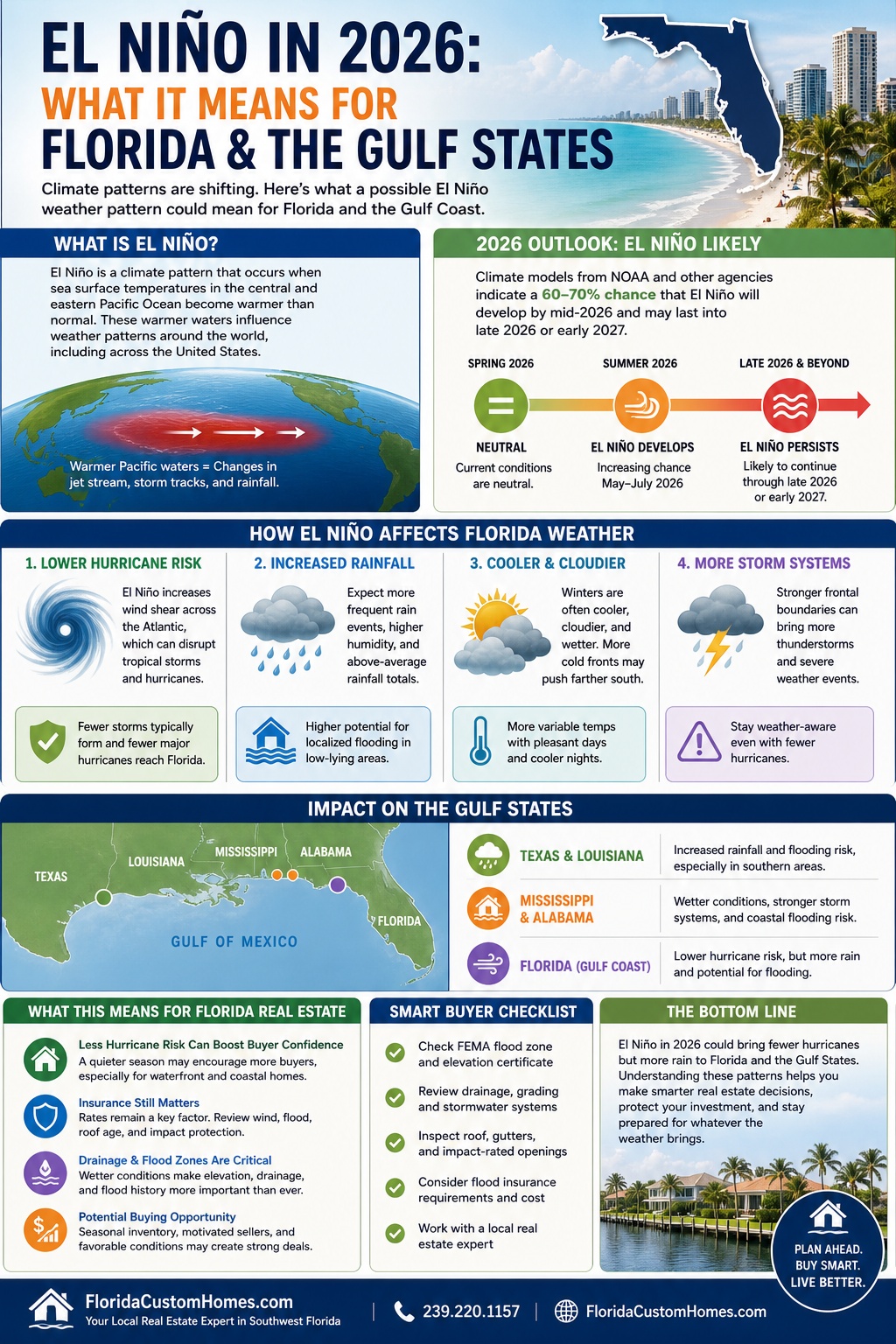
El Niño is part of the larger El Niño-Southern Oscillation, commonly referred to as ENSO. This global climate pattern occurs when sea surface temperatures in the central and eastern Pacific Ocean become warmer than normal.
Although El Niño begins in the Pacific, its influence reaches across the United States, including Florida and the Gulf States. It can shift jet stream patterns, alter storm tracks, change rainfall patterns, and influence hurricane activity across the Atlantic Basin.
For Florida homeowners, buyers, investors, and coastal property owners, understanding El Niño is important because weather patterns directly affect hurricane risk, rainfall, flooding, insurance concerns, and buyer confidence.
Current 2026 Weather Pattern
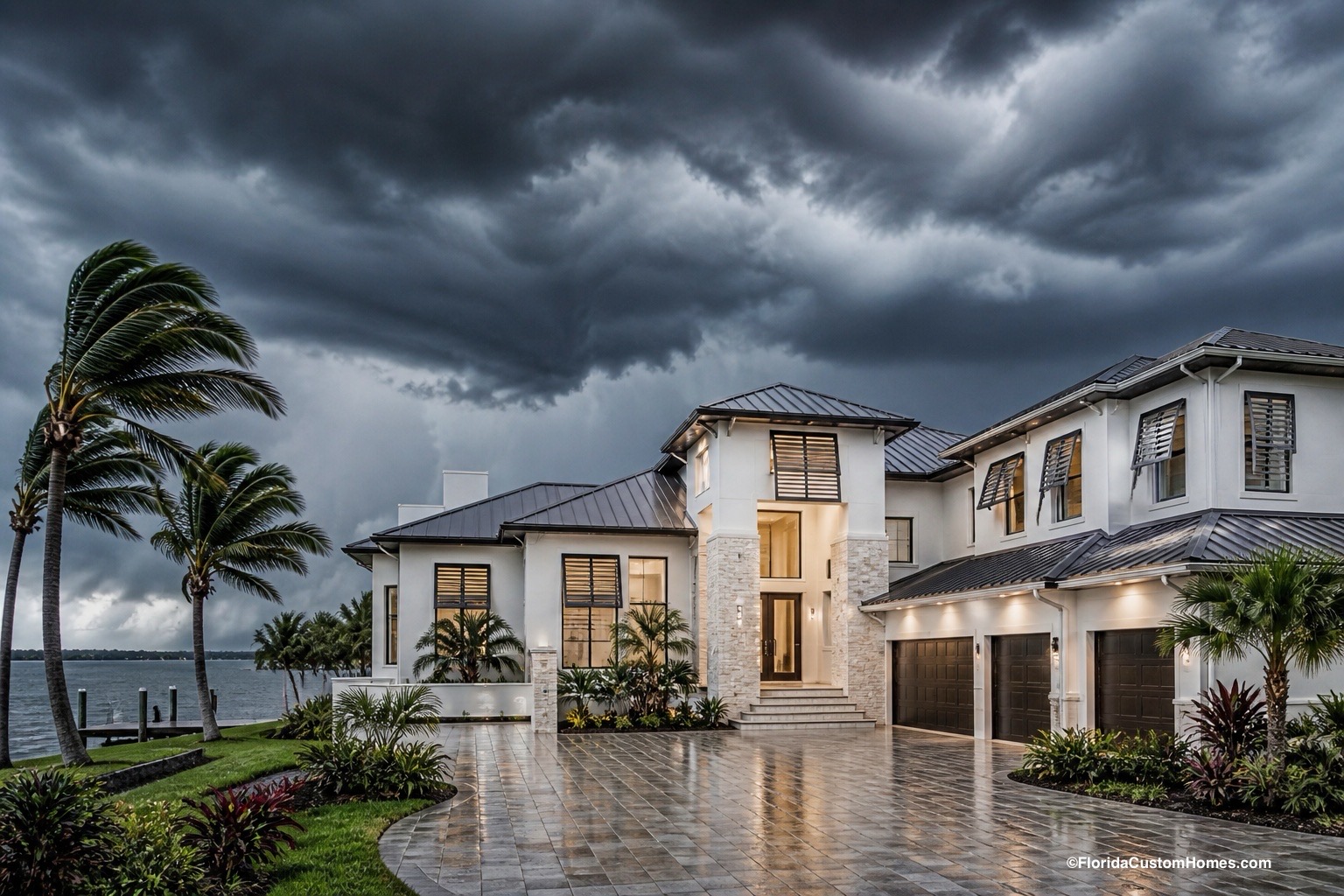
As of spring 2026, Florida is not yet fully in an El Niño weather pattern. Current conditions are closer to neutral, meaning neither El Niño nor La Niña is firmly controlling the climate pattern. However, many seasonal outlooks suggest that El Niño conditions may develop during 2026.
This matters because Florida recently moved out of a La Niña-influenced period. La Niña years often support more active Atlantic hurricane seasons, while El Niño years typically increase wind shear across the Atlantic and Caribbean, which can reduce hurricane development.
That does not mean Florida is risk-free. Even in a lower-activity hurricane season, one landfalling storm can create major damage. However, the broader pattern may be more favorable for reduced tropical activity compared with a strong La Niña year.
How El Niño Affects Florida Weather
1. Potentially Lower Hurricane Activity
One of the most important El Niño impacts for Florida is its effect on hurricanes. El Niño often increases upper-level winds across the Atlantic Basin. These winds create wind shear, which can disrupt developing tropical storms and hurricanes.
For Florida, that can mean fewer named storms, fewer hurricanes, and fewer major hurricanes compared with La Niña years. This is especially important for coastal markets such as Southwest Florida real estate, where hurricane history, insurance costs, and property resilience are major buyer considerations.
However, buyers and homeowners should not become complacent. Florida should always prepare for hurricane season, regardless of whether the year is influenced by El Niño, La Niña, or neutral conditions.
2. Wetter Conditions Across Florida
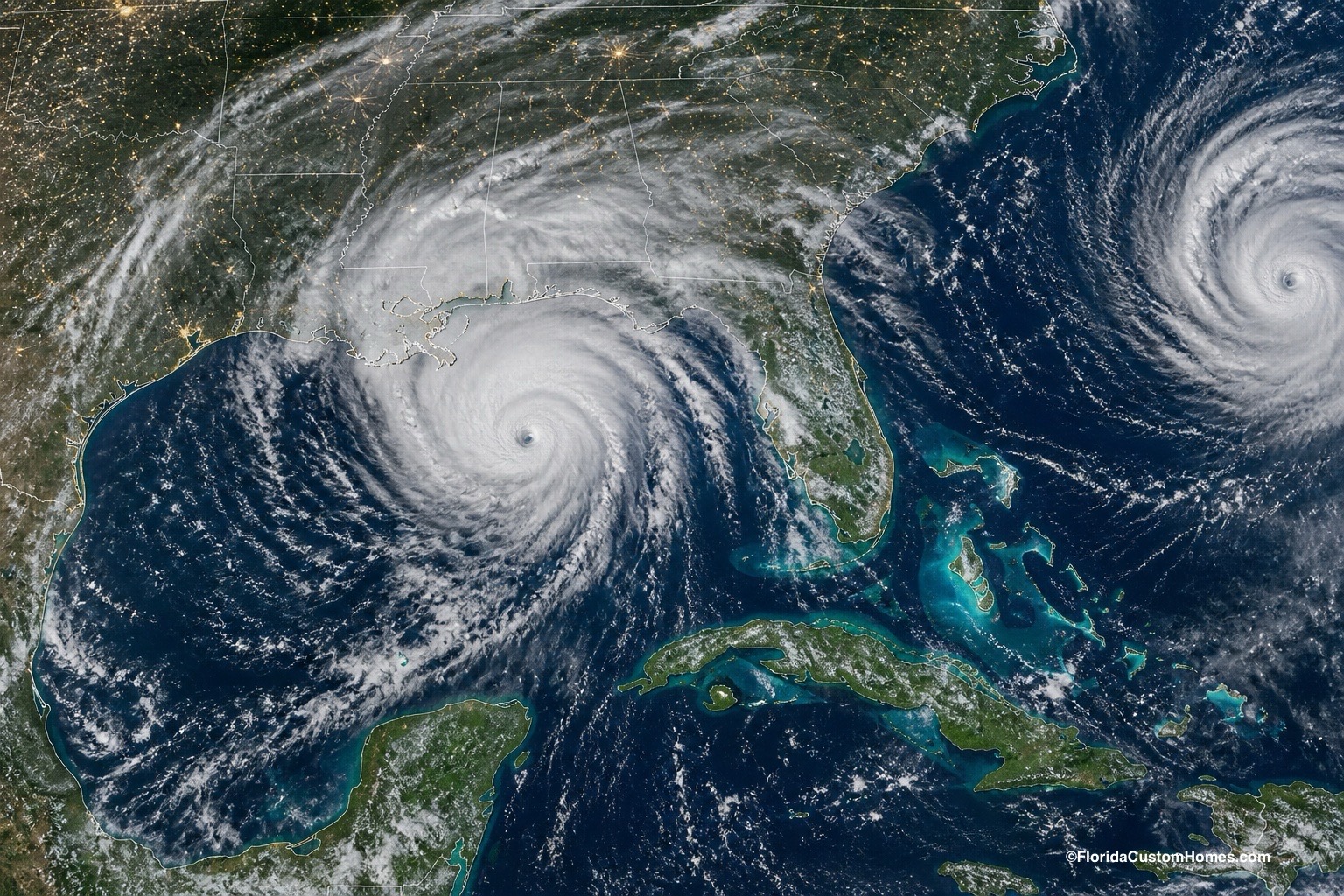
While El Niño can reduce hurricane activity, it often increases rainfall across Florida, especially during the cooler months. Florida may experience more frequent rain events, stronger frontal systems, and wetter winter conditions.
In areas such as Cape Coral, Fort Myers, Naples, Bonita Springs, Marco Island, Punta Gorda, and Sarasota, increased rainfall can affect drainage systems, canals, low-lying neighborhoods, and properties located in or near flood zones.
For buyers, this makes it even more important to review elevation, drainage, flood history, roof condition, impact windows, and insurance options before purchasing a home.
3. Cooler and Cloudier Winter Weather
El Niño winters in Florida are often cooler, wetter, and cloudier than average. This does not mean Florida becomes cold by northern standards, but seasonal visitors and homeowners may notice more cloudy days, more passing fronts, and more frequent rain events.
For real estate, this can influence showing activity, seasonal buyer behavior, and the way waterfront, golf course, and luxury properties are marketed during the winter season.
Impact on the Gulf States
Florida is not the only state affected by El Niño. The entire Gulf Coast can feel the impact, including Texas, Louisiana, Mississippi, Alabama, and Florida.
Texas and Louisiana
Texas and Louisiana may see increased rainfall and a greater chance of flooding during El Niño-influenced periods. While hurricane activity may be reduced overall, heavy rain systems can still cause drainage problems, river flooding, and localized property damage.
Mississippi and Alabama
Mississippi and Alabama may also experience wetter conditions, stronger storm systems, and increased frontal activity. Coastal areas along the Gulf remain vulnerable to flooding, wind events, and severe weather even if hurricane numbers are lower.
Florida’s Gulf Coast
Florida’s Gulf Coast may benefit from reduced hurricane activity, but increased rain can still create challenges. Waterfront communities, barrier islands, canal systems, and low-elevation neighborhoods should remain focused on stormwater management, flood protection, and insurance planning.
What El Niño Means for Florida Real Estate
Weather patterns have a direct connection to Florida real estate. Buyers are increasingly aware of flood zones, hurricane codes, insurance costs, roof age, elevation, and storm resilience. A possible El Niño pattern in 2026 may affect buyer psychology and seller strategy.
Buyer Confidence May Improve
If hurricane forecasts become less aggressive due to El Niño, some buyers may feel more comfortable entering the Florida market. This can be especially true for out-of-state buyers considering waterfront homes, Gulf access properties, beachfront condos, golf community homes, and new construction.
Insurance Will Still Matter
Even if hurricane risk is reduced for one season, insurance costs remain a major factor in Florida real estate. Buyers should still carefully evaluate homeowners insurance, flood insurance, wind mitigation credits, roof age, impact-rated openings, and FEMA flood zone information.
For more information on Florida real estate and storm-resilient housing topics, visit the Florida Custom Homes real estate blog.
Rainfall and Drainage Become Bigger Issues
During wetter El Niño periods, buyers should pay close attention to how a property handles rain. Important questions include:
- Is the home in a flood zone?
- Does the property have proper drainage?
- Has the home experienced prior water intrusion?
- Is there an elevation certificate?
- Are the roof, gutters, grading, and stormwater systems in good condition?
Why Buyers Should Pay Attention
For Florida home shoppers, the possible shift toward El Niño comes at an important time. May, June, July, and August are often strong months for serious buyers because many seasonal residents have returned north, inventory may be more available, and some sellers become more realistic.
When this seasonal buying window lines up with reduced hurricane expectations, softer pricing in some Florida markets, and motivated sellers, buyers may find better negotiating opportunities.
This can apply across many property types, including:
- Luxury homes in Naples
- Waterfront homes in Cape Coral
- Gulf access homes in Southwest Florida
- Marco Island waterfront properties
- Golf course homes
- New construction homes
- First-time homebuyer opportunities
- Investment and seasonal rental properties
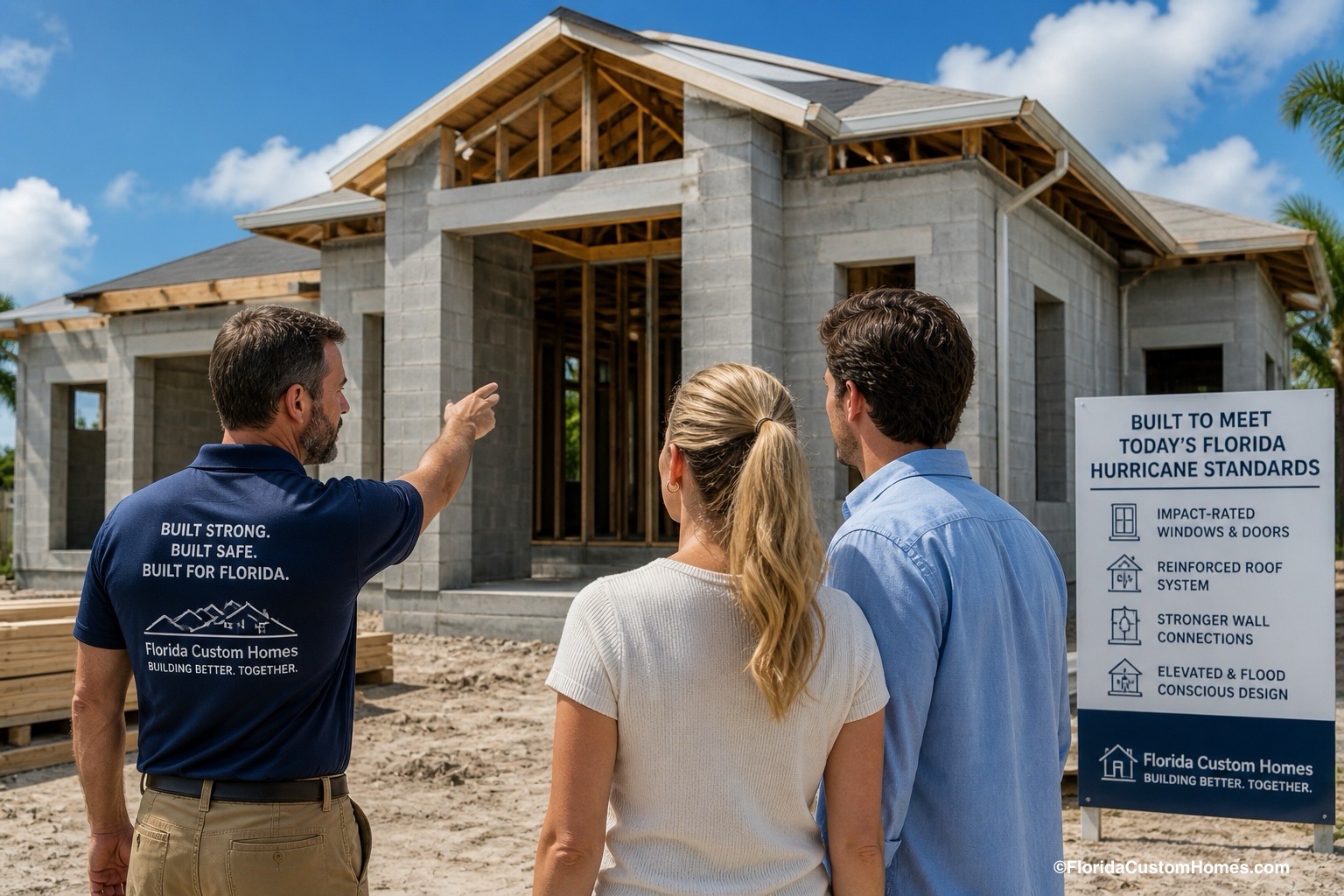
Smart buyers should not simply focus on price. They should also consider long-term resilience, insurance costs, elevation, flood risk, and construction quality.
Final Thoughts
Florida is not fully in an El Niño pattern yet, but 2026 may bring a transition toward El Niño conditions. For Florida and the Gulf States, this could mean reduced hurricane activity overall, increased rainfall, cooler and wetter winter conditions, and greater attention to flooding and drainage.
For real estate buyers, this weather pattern creates both opportunity and responsibility. A less active hurricane outlook may improve confidence, but buyers still need to evaluate each property carefully. Flood zones, insurance, roof condition, impact protection, elevation, and stormwater management remain critical factors in Florida real estate.
Whether you are searching for a luxury waterfront estate, a Gulf access home, a beachfront condo, a golf course property, or a new construction home, understanding Florida’s weather patterns can help you make a better long-term decision.
Contact Scott Meadows
If you are considering buying or selling real estate in Southwest Florida, work with a local real estate professional who understands the market, the weather, the insurance environment, and the unique features that make Florida homes more resilient.
Scott Meadows
Broker Associate | Premiere Plus Realty
Phone: 239.220.1157
Email: ScottMeadows3@gmail.com
Website: FloridaCustomHomes.com
Keywords: Florida El Niño 2026, El Niño Florida weather, Gulf States weather pattern, Florida hurricane season 2026, Southwest Florida real estate, Florida flood zones, Florida waterfront homes, Cape Coral waterfront homes, Naples luxury homes, Gulf Coast real estate, Florida home buying 2026