Nov. 1, 2024

How did Florida’s new construction homes weather the recent hurricanes?

Florida New Construction

Florida New Construction Homes for Sale


With back-to-back hurricanes making landfall in Florida in less than a two-week span this year, it seems everyone wants to know how well Florida new construction homes actually held up to the recent, seemingly unrelenting force of Mother Nature. No one wants to have to deal with storm damage from a hurricane, but can having a new construction home make that much of a difference? Some new construction homes and communities in Florida are already putting that question to the test. 


In late September, Hurricane Helene made landfall in the Big Bend region of Florida as a Category 4 storm. Not even two weeks later, when many Florida homeowners were still surveying the damage and picking up the pieces from Helene, Hurricane Milton took aim at the state once again. This time, Milton barreled into the Siesta Key region of Florida as a Category 3 storm. We’ve probably all seen some of the pictures and videos showing the aftermath as 120 mph and 140 mph winds are nothing to take lightly. Hurricane Helene also brought along catastrophic rainfall, which translated to major flooding and record-breaking storm surge. The Tampa Bay area experienced what some are calling a “1 in 1,000-year-rain event”. 


The outcome of new construction homes


It brings us back to the original question; how well did Florida’s new construction homes weather the recent hurricanes? To answer that, it makes sense to take a closer look at some of those new construction communities, such as Babcock Ranch. This innovative new community sits several miles from the coast, but it’s being hailed as a prime example of what you can do when you design a brand-new community, with all new homes. While Babcock Ranch is only about 15 miles from Fort Myers, homes in the large development never lost power during Hurricane Milton. Millions of others in the state weren’t nearly as lucky. In fact, many people sought shelter from the storm in Babcock Ranch. The community was designed to help mitigate flooding, too. 


The first test was a couple of years ago, when Hurricane Ian made landfall in Southwest Florida, but it was almost impossible to see the impact Ian had on Babcock Ranch that time either. The sustainable community has its own solar farm, and thanks to that, batteries, and buried power lines connecting up transfer stations, none of the thousands of people who lived in Babcock Ranch at the time lost power. In Babcock Ranch, people didn’t have to leave their homes due to widespread power outages, because there weren’t any. 


With a more resilient community in place, homeowners had more choices on how to weather the storm on their terms. Sheltering in place became an option. Ian caused tens of billions of dollars in damage, but the homes of Babcock Ranch stood up to sustained winds of well more than 100 miles per hour. In fact, the homes and buildings of Babcock Ranch are said to have been built to help them withstand up to around 150 mph winds. The Babcock Ranch new construction homes in Florida were built stronger than many other, older homes in the state.


To help combat flooding, the community of Babcock Ranch was built in such a way that rainwater is instead channeled to retention ponds. For those interested in living in this type of community, there’s still time, because Babcock Ranch is a massive community that’s still under construction and it will be for some time. While the size and uniqueness of Babcock Ranch is admirable, there are also some other, extremely successful examples of new construction homes Florida out there. 


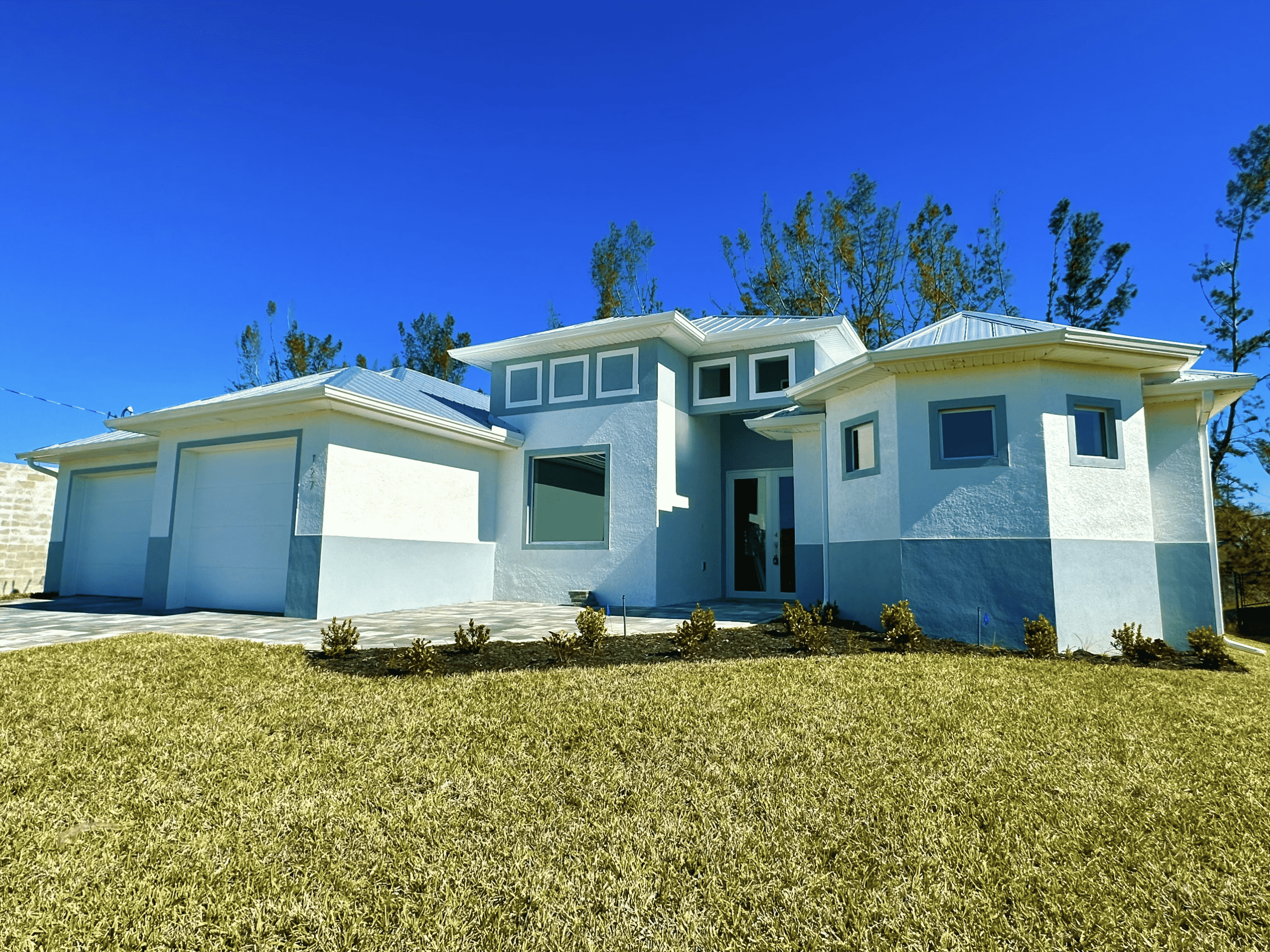
The Florida new construction homes in a development called Hunters Point were also designed to stand up well to hurricanes. In just two years, the homes in this community have already weathered their share of hurricanes. Even though the development is located just a few hours away from where the eye of Hurricane Helene was located, power remained on in this new community, too. The homes also stood up well. They have stronger roofs that didn’t rip off, and stronger, solid concrete first floor walls. The homes are elevated too, and so are the neighborhood roads, which helped with flooding. While these are some examples, there are plenty of other new homes and communities out there, as well.


Stronger building codes


New construction homes in Florida are built to current building codes, but some new construction homes are built to exceed those standards. Sure, hurricanes aren’t anything new for Florida. We know that over the years, the state has had to deal with numerous storms, and some of them have been ferocious. It only makes sense that FEMA and local building codes have in turn had to quickly adapt to the rules set forth by Mother Nature’s demands. 


While Hurricane Helene and Hurricane Milton may have been the most recent “big storms” to strike Florida, they certainly won’t be the last. Fortunately, new construction homes in Florida have an advantage over older homes. There are now proven construction methods that can better sustain the impact of severe weather events, such as the hurricanes we see in Florida, and we’re already seeing proof of it.


Back in the early 1990s, Hurricane Andrew caused an incredible amount of damage to Florida homes. Well more than 100,000 homes in the state were either damaged or destroyed. The Category 5 storm was so catastrophic, that new regulations were put in place to better protect homes. Those new regulations required that homes in Southwest Florida could withstand extremely high winds, with things like building and structural upgrades, better windows, stronger roofs, and even the use of reinforced concrete pillars. By the early 2000s, data supported that Florida new construction homes had already proven they were better able to help withstand hurricanes. Fewer insurance claims were being filed after those storms, and oftentimes for less serious damage. We’ve seen some of that success in recent weeks, months and years.


The benefits of Florida new construction homes


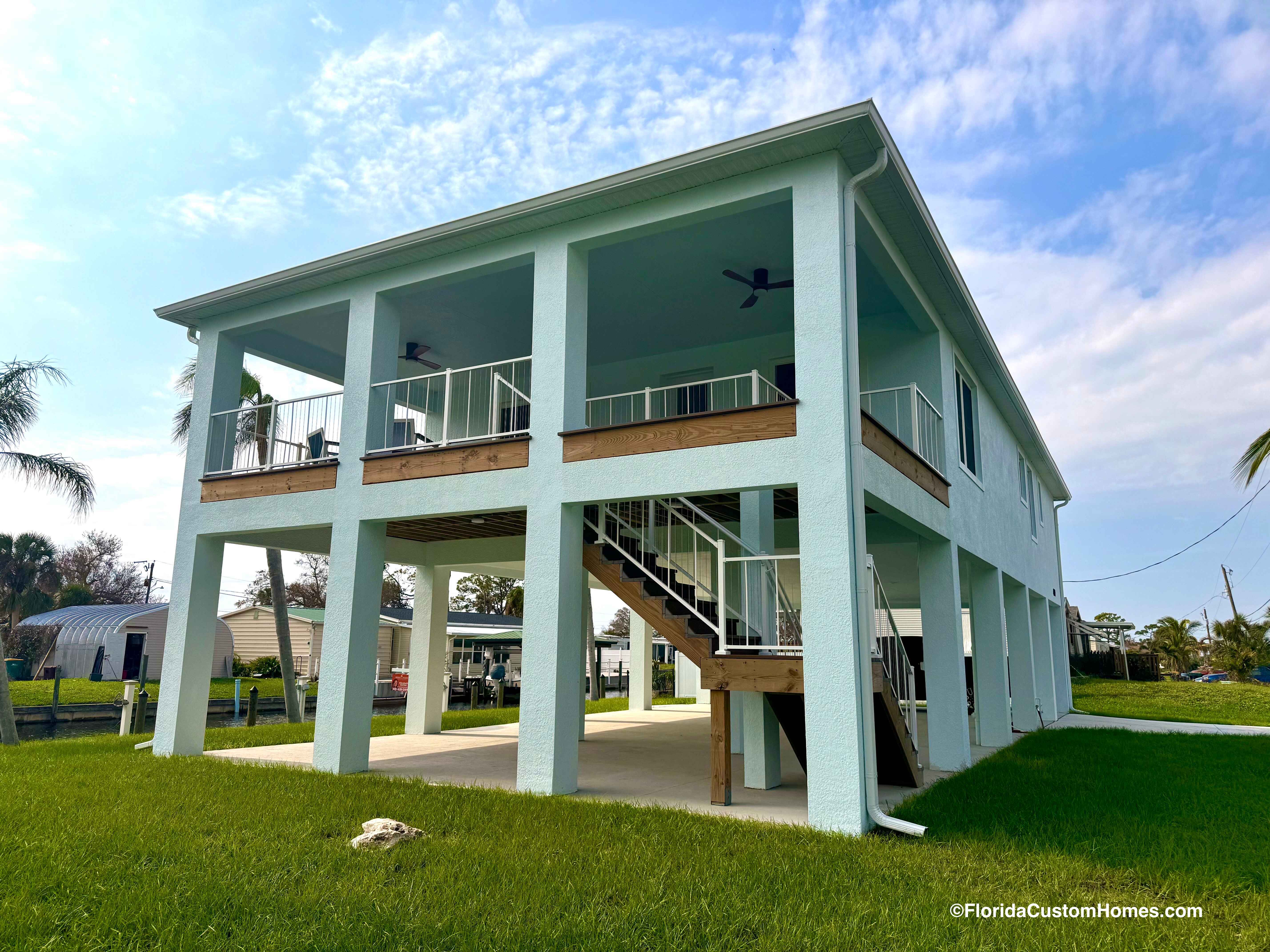
That’s the beauty of new construction homes for sale in Florida. When you choose to live closer to the coastline in a place where hurricane impacts are likely the greatest in terms of the greatest wind speed and potential for destruction, there are already preferred construction methods you can utilize. You can use something called Insulated Concrete Forms construction (also called ICF home construction), poured concrete construction, elevated construction, and also stilt and piling home construction.


Of course, while not everyone in Florida lives right along the coast, a vast majority of people do live within about 10 miles of the coast. That’s what makes Florida new construction homes for sale such a great choice. Strong winds and the potential for flooding are always top of mind living in Florida. The Florida Building Commission has updated and revised its building codes time and time again. Those codes tackle everything from elevations to roof reinforcement and wind load requirements.


  • Elevation


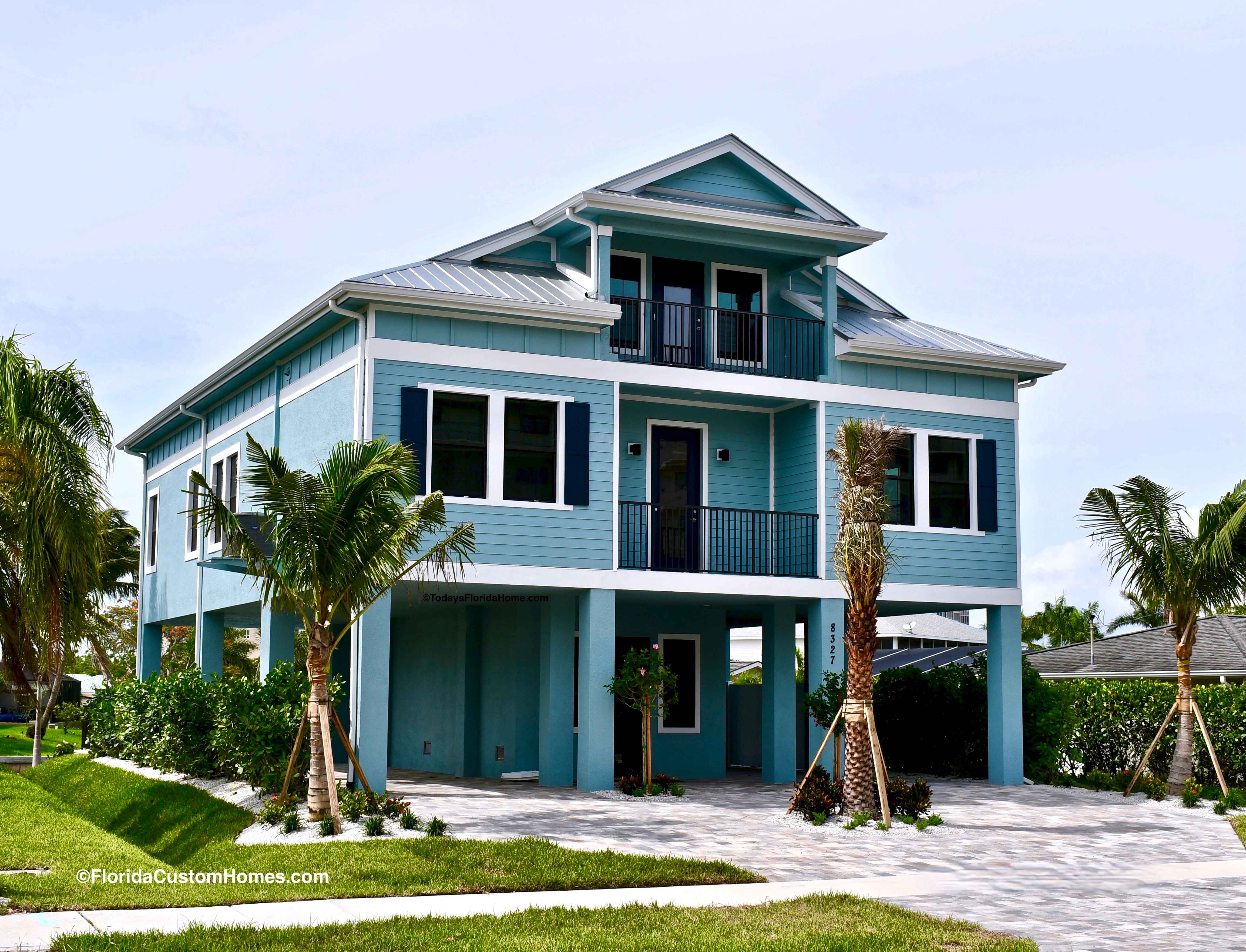
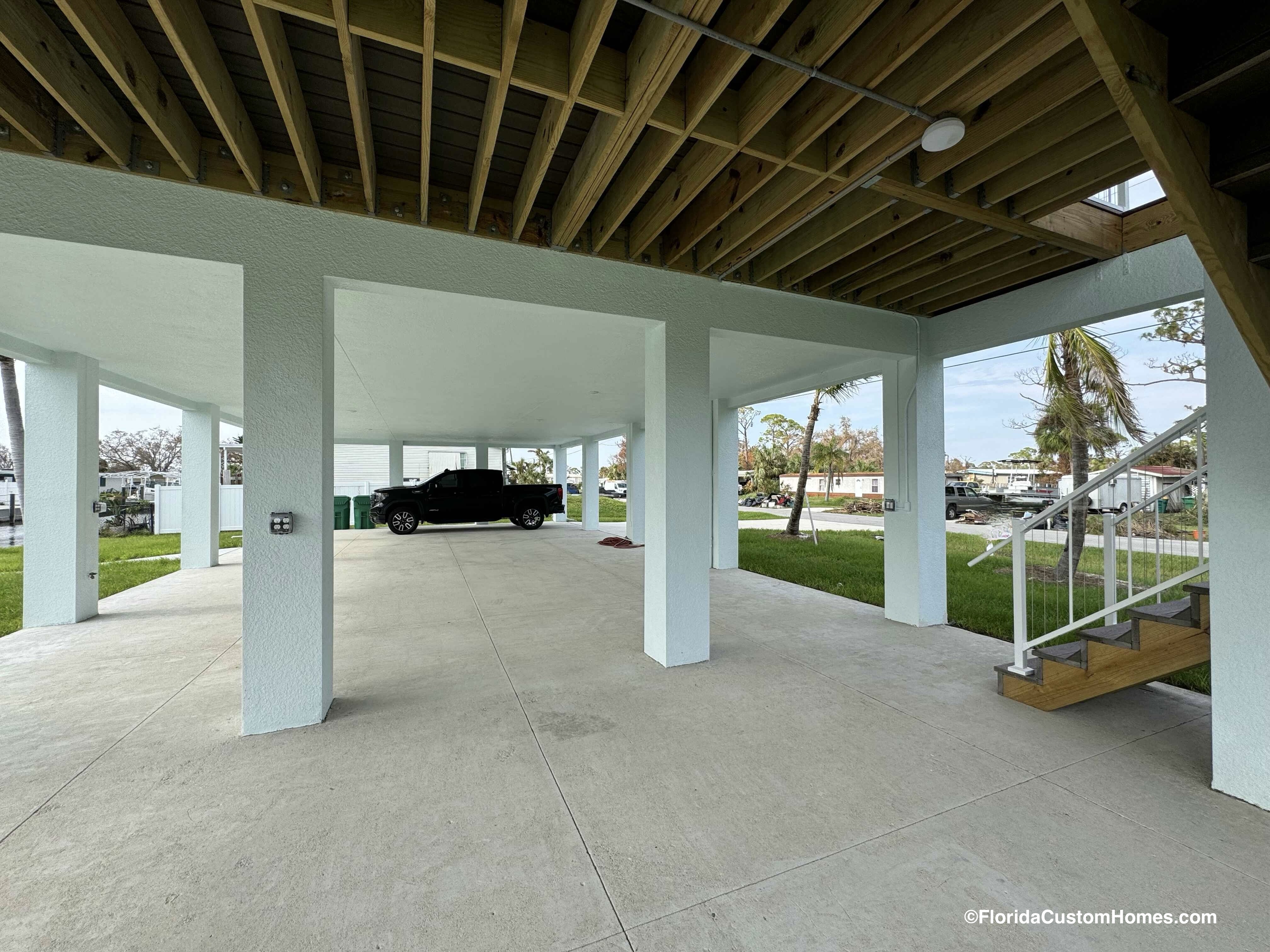
While wind is certainly always a concern with hurricanes, so is flooding. When you’re considering a coastal area of Florida, there’s always the concern a storm could result in several feet of flooding. To help combat this, new construction homes in Florida have elevation requirements. Those requirements become stricter if it’s a traditionally flood-prone area. While older homes still sometimes flood, a newer home is built in such a way that even if it does partially flood, that floodwater likely won’t come into the living space of the home. Instead, space underneath an elevated home may be used for a non-living purpose, such as parking. 


  • Roofs


Flying debris and high winds can do a number on a home’s roof. Luckily, with new construction homes Florida, updated codes mean materials and construction methods that better stand up to the potential for flying debris and high winds. Hurricane ties and straps help anchor the home’s roof to its walls, making it stronger. A newer home also has better roof ventilation and is better at protecting the structure from water damage. 


  • Wind


Depending on where in Florida a home is, building codes for Florida new construction homes also consider wind load. There’s a higher requirement for wind load in a coastal area than there is when you go further inland. To help protect a new home, exterior gutters and soffits are fastened in such a way to make them stronger, exterior walls are better able to withstand impact, and joints used in framing the home are better secured. This is yet another way that Florida new construction homes are better able to withstand hurricanes. 


  • Doors & windows


Doors and windows aren’t left out of the equation either. With the new construction homes of Florida, you gain impact-resistant doors and windows. Those windows and doors are stronger and stand up better to flying debris. With impact-resistant windows, they’re made with two layers of glass, and even if a window should break, you’re less likely to have to deal with shards of glass. 


  • Foundation


Code requirements for a home’s foundation in Florida now mean that Florida new construction homes for sale have a reinforced foundation that can stand up better to hurricane-force winds. This could mean using foundation straps, hold-downs or J-bolts to anchor a home to its foundation. It could also mean using reinforced concrete or beams, and deep foundations that involve using piers, pilings, or caissons


 New home construction methods


Closer to the coastline, where you might find a beach home or a waterfront home, poured concrete methods are preferred. Afterall, the closer you live to the coast, the greater the risk of impact and destruction from a hurricane. 


  • Insulated concrete form construction (ICF home construction)


Insulated Concrete Forms construction, or rather ICF home construction, is one method for new construction homes in Florida. In this case, it replaces more conventional wood framing for the exterior wall of the home with hollow blocks stacked up, reinforced with rebar, and filled with concrete. Not only does this make a home’s exterior walls stronger and better able to stand up to strong winds, but the home is also more resistant to mold, moisture, and rot. 


  • Poured concrete construction


Another method is a steel reinforced, poured concrete construction home. Much like it suggests, this type of construction for Florida new construction homes means a stronger home, and also one that is more waterproof. These types of new home walls are thick and solid. They stand up well to high winds and hurricanes, and they help keep flying debris and potential projectiles from destroying walls and injuring homeowners inside. Tests show winds would have to be much higher than any hurricane we’ve ever recorded to see the kind of damage we see with older, more traditionally built home walls. Poured concrete is also fire resistant, more energy efficient, pest resistant, and it can help add value to a home. 


  • Elevated construction 


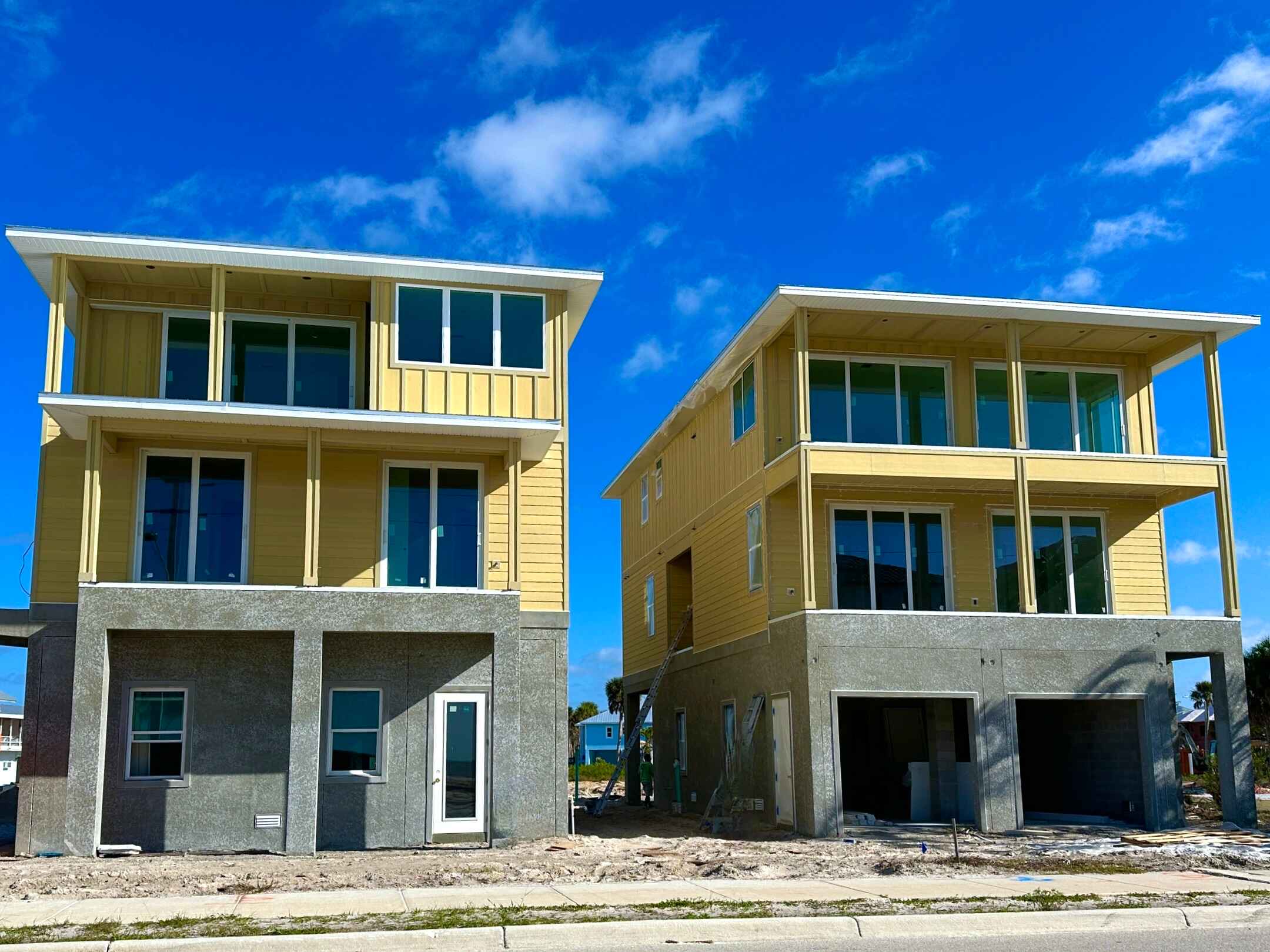
Elevated homes work especially well in flood zones. Sometimes, a stem fall foundation is used so the home is raised up and better protected from flooding. An elevated home may be up on posts, columns, piers, or concrete block walls. 


Stilt and piling home construction 


Some elevated new homes in Florida utilize stilts, piers, or pilings to hold up the home. The underneath of the home is sometimes reserved for parking, but if the surrounding landscape floods, the interior of the home’s living space doesn’t get wet. Those stilts are driven way into the ground, and a well-built, Florida new construction home such as this can stand up well against a flood surge. 


  • Cinder block construction


While poured concrete is preferred for new construction homes in Florida close to the coast, using cinder block construction, or concrete block, is also a preferred method for Florida homes, in terms of helping to make some of the strongest, Florida new construction homes out there. While lighter in weight than bricks, these blocks are also much larger. They help with high winds, help with insulation, they’re fire resistant, and they’re not as likely as wood to see mold or mildew. 


New construction homes hold up


Obviously, not all homes and structures stand up the same against hurricane-force winds and flooding. Luckily, new construction homes for sale in Florida right now can give you an advantage, as they’re already showing promise for the present and the future. 
Nov. 1, 2024

Home Buyer Mistakes in Today's Real Estate Market


Florida Acreage Properties for Sale

No one likes making mistakes, especially when they happen in what’s likely the biggest transaction of your life – buying a home.

That’s why partnering with a trusted agent is so important. Here’s a sneak peek at the most common missteps buyers are making in today’s market and how a great agent will help you steer clear of each one.

Trying To Time the Market

Many buyers are trying to time the market by waiting for home prices or mortgage rates to drop. This can be a really risky strategy because there’s so much at play that can have an impact on those things. As Elijah de la Campa, Senior Economist at Redfin, says:

My advice for buyers is don’t try to time the market. There are ​a lot of swing factors, like the upcoming jobs report and the presidential election, that could cause the housing market to take unexpected twists and turns. If you find a house you love and can afford to buy it, now’s not a bad time.”

Buying More House Than You Can Afford

If you’re tempted to stretch your budget a bit further than you should, you’re not alone. A number of buyers are making this mistake right now.

But the truth is, it’s actually really important to avoid overextending your budget, especially when other housing expenses like home insurance and taxes are on the rise. You want to talk to the pros to make sure you understand what’ll really work for you. Bankrate offers this advice:

“Focus on what monthly payment you can afford rather than fixating on the maximum loan amount you qualify for. Just because you can qualify for a $300,000 loan doesn’t mean you can comfortably handle the monthly payments that come with it along with your other financial obligations.”

Missing Out on Assistance Programs That Can Help 

Saving up for the upfront costs of homeownership takes some careful planning. You’ve got to think about your closing costs, down payment, and more. And if you don’t work with a team of experienced professionals, you could miss out on programs out there that can make a big difference for you. This is happening more than you realize.

According to Realtor.com, almost 80% of first-time buyers qualify for down payment assistance – but only 13% actually take advantage of those programs. So, talk to a lender about your options. Whether you’re buying your first house or your fifth, there may be a program that can help.

Not Leaning on the Expertise of a Pro

This last one may be the most important of all. The very best way to avoid making a mistake that’s going to cost you is to lean on a pro. With the right team of experts, you can easily dodge these missteps.

Bottom Line

The good news is you don’t have to deal with any of these headaches. Let’s connect so you have a pro on your side who can help you avoid these costly mistakes. Scott Meadows 239.220.1157

Oct. 30, 2024

What To Expect from Mortgage Rates and Home Prices in 2025


Curious about where the housing market is headed in 2025? The good news is that experts are offering some promising forecasts, especially when it comes to two key factors that directly affect your decisions: mortgage rates and home prices.

Whether you're thinking of buying or selling, here’s a look at what the experts are saying and how it might impact your move.

Mortgage Rates Are Forecast To Come Down

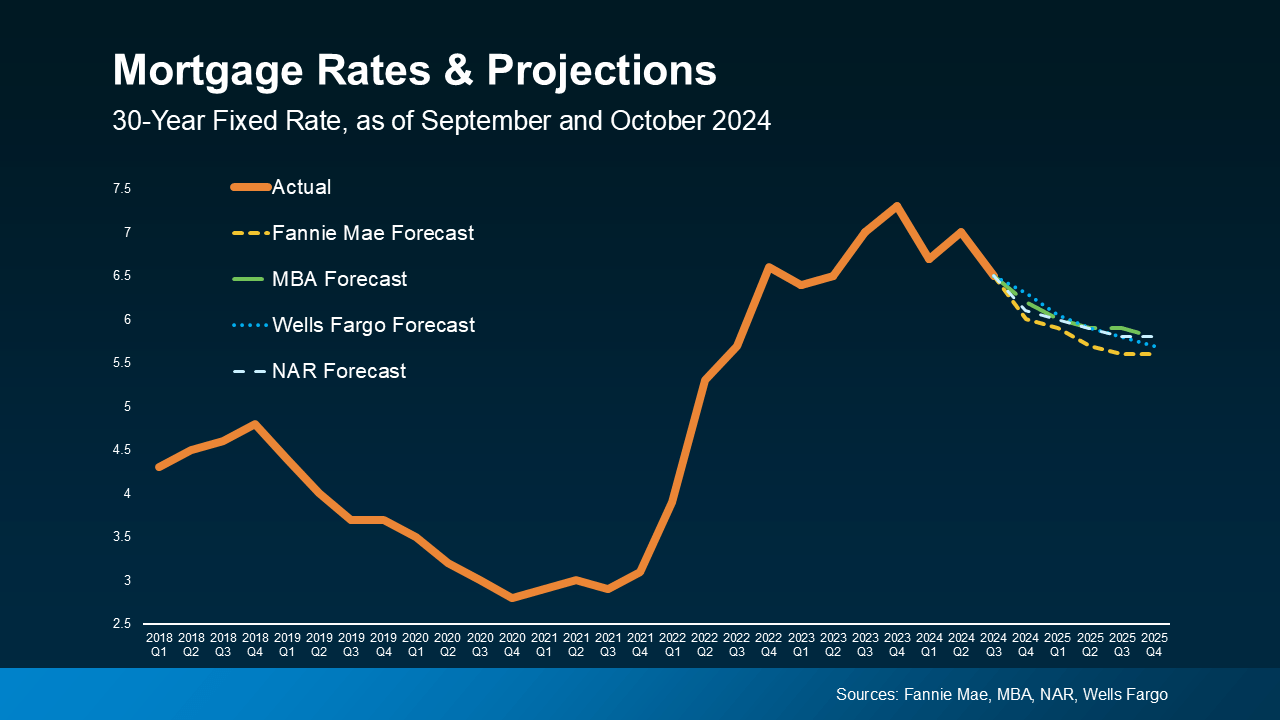
One of the biggest factors likely affecting your plans is mortgage rates, and the forecast looks positive. After rising dramatically in recent years, experts project rates will ease slightly throughout the course of 2025 (see graph below):

a graph showing the rate of a forecastWhile that decline won’t be a straight line down, the overall trend should continue over the next year. Expect a few bumps along the way, because the trajectory of rates will depend on new economic data and inflation numbers as they’re released. But don’t get too hung up on those blips and reactions from the market as they happen. Focus on the bigger picture.

Lower mortgage rates mean improving affordability. As rates come down, your monthly mortgage payment decreases, giving you more flexibility in what you can afford if you buy a home.

This shift will likely bring more buyers and sellers back into the market, though. As Charlie Dougherty, Director and Senior Economist at Wells Fargo, explains:

“Lower financing costs will likely boost demand by pulling affordability-crunched buyers off of the sidelines.”

As that happens, both inventory and competition among buyers will ramp back up. The takeaway? You can get ahead of that competition now. Lean on your agent to make sure you understand how the shifts in rates are impacting demand in your area.

Home Price Projections Show Modest Growth

While mortgage rates are expected to come down slightly, home prices are forecast to rise—but at a much more moderate pace than the market has seen in recent years.

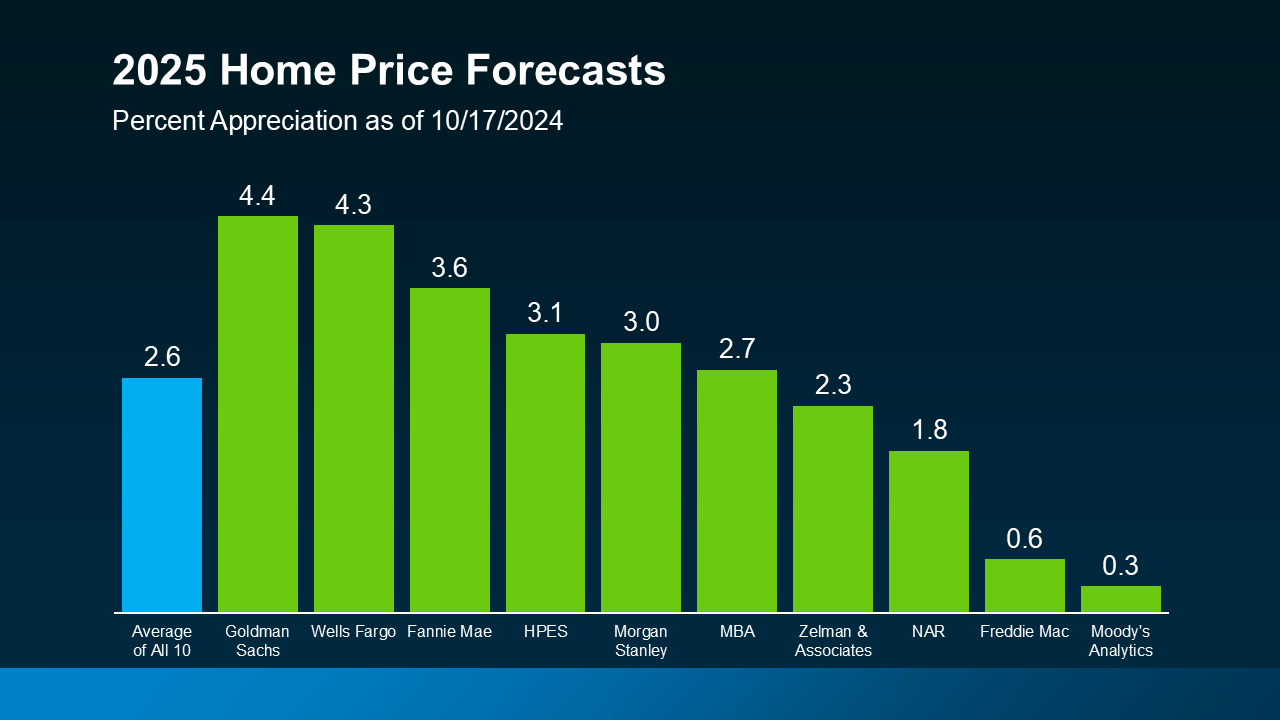
Experts are saying home prices will grow by an average of about 2.5% nationally in 2025 (see graph below):

a graph of green barsThis is far more manageable than the rapid price increases of previous years, which saw double-digit percentage growth in some markets.

What’s behind this ongoing increase in prices? Again, it has to do with demand. As more buyers return to the market, demand will rise – but so will supply as sellers feel less rate-locked.

More buyers in markets with inventory that’s still below the norm will put upward pressure on prices. But with more homes likely to be listed, supply will help keep price growth in check. This means that while prices will rise, they’ll do so at a healthier, more sustainable pace.

Of course, these national trends may not reflect exactly what’s happening in your local market. Some areas might see faster price growth, while others could see slower gains. As Lance Lambert, Co-Founder of ResiClub, says:

“Even if the average national home price forecast for 2025 is correct, it’s possible that some regional housing markets could see mild home price declines, while some markets could still see elevated appreciation. That has been, after all, the case this year.”

Even the few markets that may see flat or slightly lower prices in 2025 have had so much appreciation in recent years – it may not have a big impact. That’s why it’s important to work with a local real estate expert who can give you a clear picture of what’s happening where you’re looking to buy or sell.

Bottom Line

With mortgage rates expected to ease and home prices projected to rise at a more moderate pace, 2025 is shaping up to be a more promising year for both buyers and sellers.

If you have any questions about how these trends might impact your plans, let’s connect. That way you’ve got someone to help you navigate the market and make the most of the opportunities ahead.

Oct. 20, 2024

Advantages of Stilt House Building and Building with Pilings in Florida

New Construction Homes in Southwest Florida

New Construction Homes Southwest Florida


Hurricanes are nothing new for Florida. It seems like we’re constantly hearing about the danger of potential damage from high winds and flooding tied to sometimes monstrous storms. This year alone, back-to-back hurricanes caused an estimated tens of billions of dollars in damage for homeowners, many of which live in Florida. That has homeowners looking for new ways to better protect their homes, especially when it comes to new construction homes in Southwest Florida. Sometimes, the methodology doesn’t exactly have to be new at all, but rather it’s been perfected over thousands of years.


So why is designing a storm-ready home in Florida so important? The answer is pretty obvious. Hurricane season this year may have started off slow, but it definitely ramped up quickly. While we tend to hear a lot about some of the worst hurricanes in history, it’s not uncommon for category 1 hurricanes or tropical storms to hit Florida either, especially during the late summer and early fall months that are usually categorized as prime hurricane season.


Florida Custom HomesIn late September of this year, Hurricane Helene took aim at Florida’s Big Bend region, where it made landfall as a Category 4 hurricane. Helene was the strongest storm ever to hit this section of Florida before making its way up through states such as North Carolina and Tennessee, where the same storm system led to catastrophic rainfall and flooding. The winds from Hurricane Helene were estimated to top out at around 140 miles per hour, and the estimated damage from the storm is likely to top tens of billions of dollars when it’s all tallied.
 

By the time Hurricane Milton made landfall in the Siesta Key region of Florida just a couple of weeks later, it was considered a Category 3 hurricane, with estimated winds of 120 miles per hour. Of course, whether we were in the direct path of Milton or not, we know the storm system attached to Milton resulted in multiple tornados and an incredible amount of rainfall across Florida. 


Of course, with heavy rainfall we oftentimes see heavy flooding, and this storm system was no different. Some towns and cities saw more than a foot of rain in just 24 hours. In St Petersburg, more than 1.5-feet of rain fell, including more than five inches in just a one-hour time period. In a span of just three hours, around nine inches of rain fell in St Petersburg. While extremely rare, the rainfall alone from this monstrous storm is said to have been so significant, that its now being described as a “1 in 1,000-year-rain event” for the Tampa Bay area. 


Florida Custom HomesSome places reportedly received the same amount of rainfall in three hours that they commonly receive over the course of three months. Destruction stretched from the Gulf Coast of Florida to the Atlantic Coast. All that rain led to rising rivers and major flooding situations. The surge of the Hillsborough River alone broke a record not seen since 1960. The storm system also led to power outages and widespread damage. 
 

Milton was Florida’s third hurricane of 2024. But in recent years, Floridians have been left to pick up the pieces from several major hurricanes, including Hurricane Michael in 2018, Hurricane Ian in 2022, and Hurricane Irma in 2017. Hurricane Ian made landfall in Florida about 29 miles away from Fort Myers and caused damage that topped $100 billion. Ian was one of the costliest hurricanes in history. Fortunately, with each storm we better learn how to better protect future homes and properties.


Because much of Florida is so flat, high water tends to drain slowly. That means swollen rivers and flooding for an extended period of time. Fortunately, more modern building standards are available to help homes better withstand the force of Mother Nature. Florida new construction homes oftentimes have an advantage over older homes, and that’s easily evident to those who live in areas that have had to rebuild over the years. Homes built these days are often built to be stronger, which can help with hurricane-strength winds, but there’s something else that can be done, too.


Stilt house building in Florida


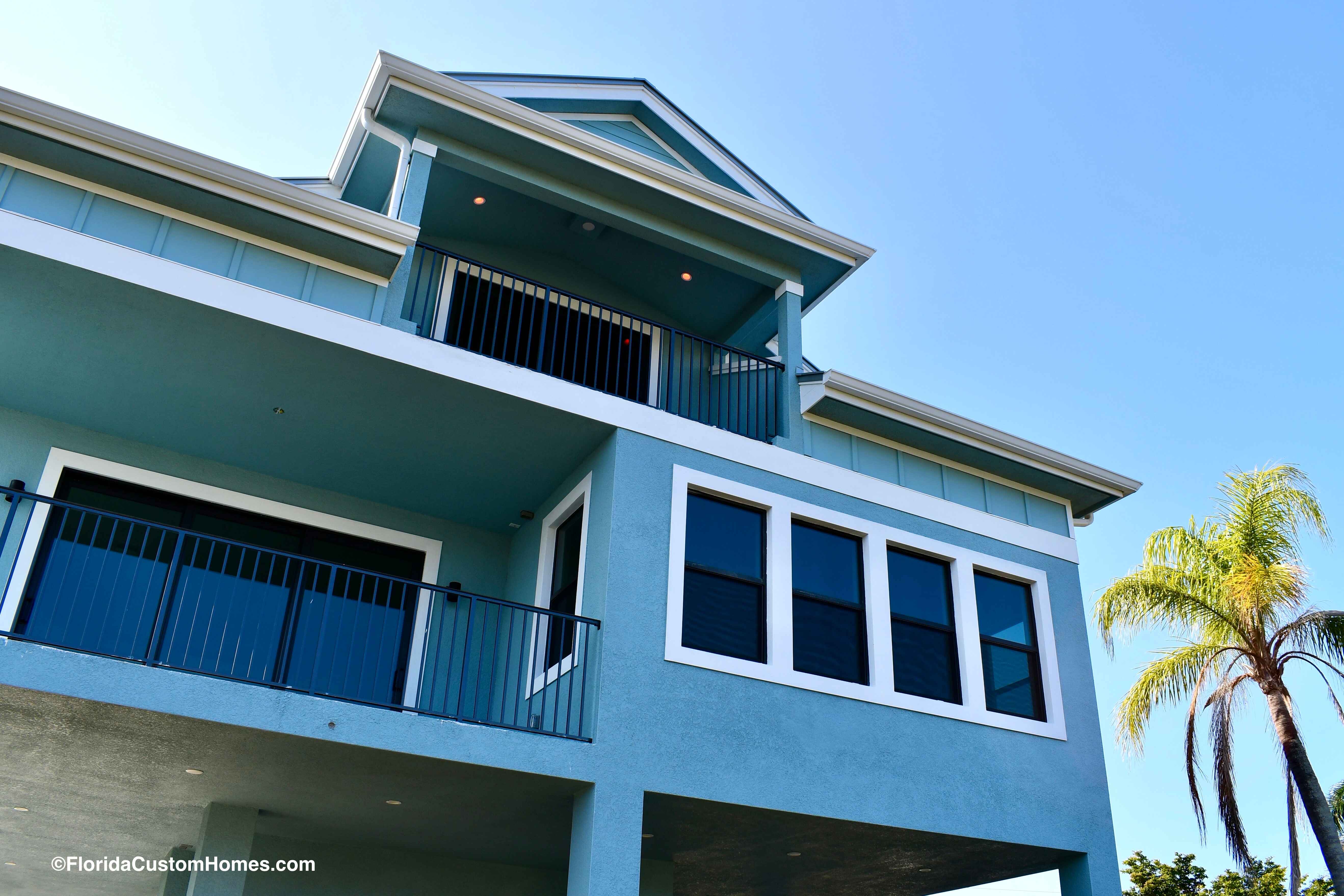
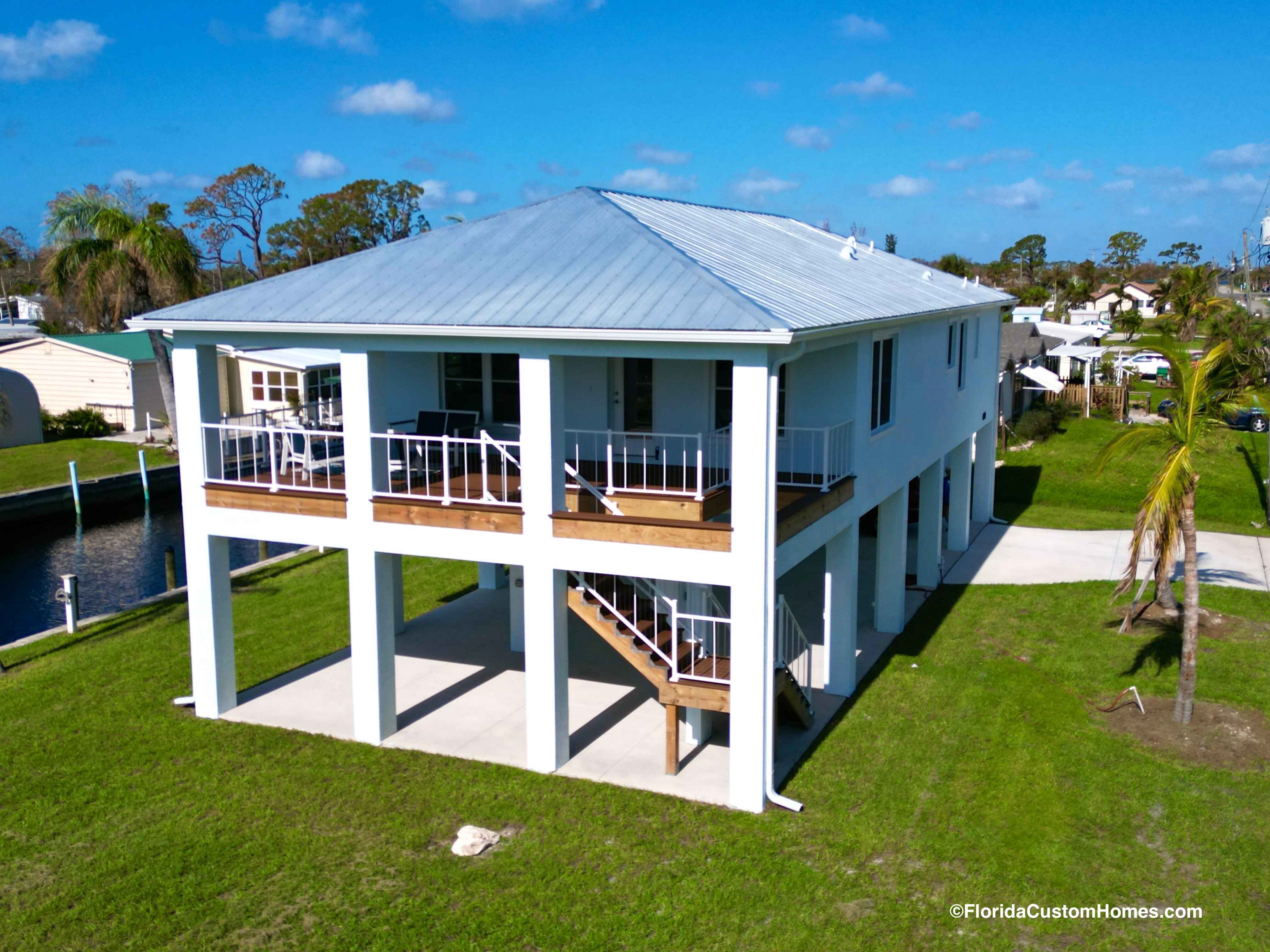
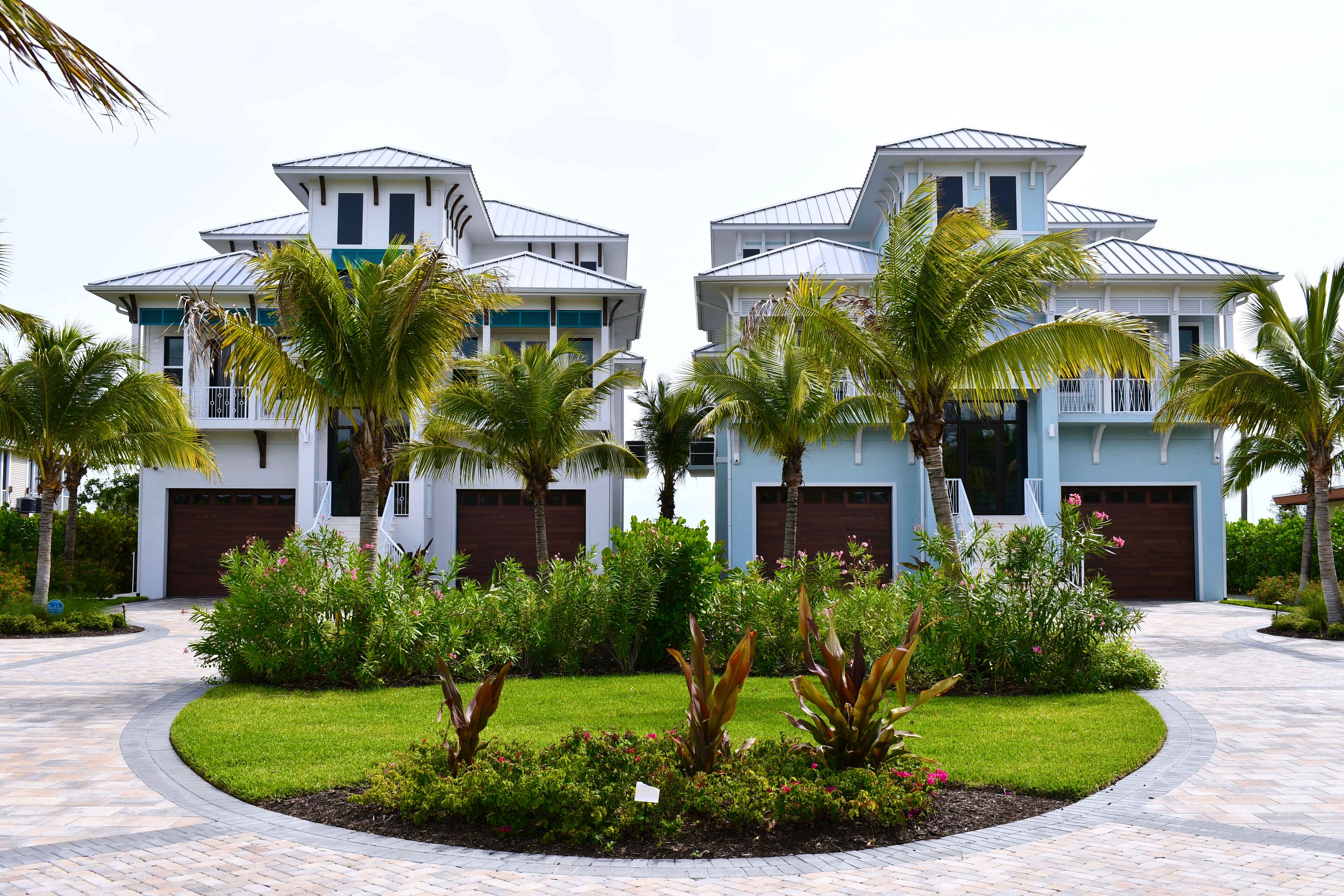
That’s why stilt house building in Florida is so appealing, especially in coastal areas where the potential for flooding is so prevalent. In Southwest Florida, stilt house construction is used aesthetically, but also functionally. A stilt house is easy to spot, because the home is indeed built up on sturdy stilts.


It’s hardly a new idea. Thousands of years ago, some buildings were constructed in a similar manner. When constructing a home so close to the water, there’s often a need to help protect it from the possibility of flooding as much as possible. This type of construction has the added bonus, too, of being eco-friendly, because the landscape isn’t altered, but rather the home is built up in the air, away from the threat of rising waters.


Piling and Stilt Home Construction


Stilt home safety


So, you may be wondering about the safety of Florida new construction homes that are built as stilt homes. Oftentimes, they are the most obvious choice, because beaches don’t always make the steadiest locations for building. Using stilts or pilings to construct a home sometimes means driving those pilings way down deep into the ground, then reinforcing them so the stability of the home is even stronger.


While erosion can be a concern, that’s where reinforcement comes into play. Sometimes a stilt home makes use of hurricane ties, too. This means even more reinforcement and protection from heavy winds tied to hurricanes and tropical storms, without giving up the advantage of also sitting up in the air on stilts, which protects the home in case of flooding. 


The different foundation options


While you may be sold on the idea of stilt house building and building with pilings in Florida, you may not necessarily know that there are a few different options to consider in terms of a home’s foundation. The actual stilts are just part of the picture, there’s also the foundation. They type you choose could be tied to which of the piling home builders in Florida you choose to use, but it will also likely be tied to where in Florida the home is going to be built, as well as the region’s specific soil and climate.


Stilt Home Construction


Stilt foundation


A stilt foundation is the type that probably first springs to mind. You’ll likely find these homes in coastal areas or along the beachfront. They are usually about two to 10 feet off the ground and are built in these areas because it’s usually difficult to use a conventional foundation in this type of environment. The foundation is made up of concrete, wood, stone or brick piers, then steel or wood beams help support all the weight of the actual home. 


Underneath, you’ll only find the vertical pillars and open space. There’s ventilation below the home, which makes it easier for electricians and plumbers, because this type of construction better helps gain access to your electrical system, your home’s ductwork, wiring, and plumbing if there are ever any problems in the future. When you do need repairs, this type of foundation usually has cheaper repairs, but water damage and pest infestation are sometimes concerns, too.


Pile foundation


With a pile foundation, extremely strong, long cylinders or columns are driven into the ground, which helps support the house. It’s a good choice if you’re building in an area that has unstable soil closer to the surface. While not completely without drawbacks, pile foundations can easily be used for different property sizes.


Screw pile foundation


Sometimes, a screw pile foundation is used, but this is commonly in the case of a deck, a small structure in the backyard, a tiny house, or sometimes even a vacation home. A screw pile foundation is easy to use and versatile, but it often takes longer to have one manufactured, and there’s the potential for added expenses. Still, they’ve been used throughout history for piers, bridges, and even for lighthouses, because the methodology uses a ground anchoring system and steel screw-in piling. 


New Construction Homes Southwest Florida


Stem wall foundation


In areas with flooding concerns, there’s also the option for a stem wall foundation. Sometimes a stem wall foundation uses cinder blocks, but at other times wood is used. When there’s a risk of flooding or hurricanes, a stem wall foundation uses a raised foundation as an extra layer of protection.


Only about as tall as a crawlspace, a stem wall foundation helps distribute the weight of a home over a wide area. This type of foundation oftentimes means a higher cost over some of the other available methods.  


Stilt house benefits


So, now that you have a brief understanding about the types of foundations and the construction of a stilt home, what about all the benefits? When it comes to new construction homes of Southwest Florida, a stilt house means better protection and stability.


Flooding


As we’ve said, the threat from storm surge and subsequent extensive flooding tied to a hurricane is not only real, but we’ve experienced it several times in recent years. In Southwest Florida, a stilt home can help better mitigate the problems associated with flooding, because the home will likely sit above the water, even when it floods inland. Water damage to a home can not only destroy a home itself, but also destroy your personal belongings and possessions that oftentimes can’t be salvaged. 


Southwest Florida New Construction Homes


Stability


Even though a home is built on stilts, that doesn’t mean it lacks stability. Oftentimes, stilts do just the opposite, by making the home’s foundation even more stable. This is especially true when the ground underneath is itself unstable. 


Sandy beaches in Florida are not always the most stable locations, and they don’t always work with other, more traditional foundation styles. Extra stability is further enforced when pilings are forced deep into the sand, then anchored to the home they are supporting. Sometimes a home can be expanded over the water in this way, too, and still remain stable.


Ventilation/environmental impact 


Being up on stilts also means better ventilation. While Florida is known for its sunshine and summer heat, having some air circulation under a home can potentially keep your home a bit cooler, and potentially help lower your monthly energy and utility bills along the way.  A home such as this is also more sustainable and environmentally friendly in design. The landscape is less disturbed, and you minimize disruption to the region’s natural coast.


Views


There are also the aesthetic reasons to consider. If you want great views, having a stilt home means an elevated home with elevated views. 


Privacy


It may also help with privacy, because when a home sits up higher in the air, it’s more difficult for those below to see inside the home when passing by.


New Construction Homes Southwest Florida


Florida new construction homes


Not only are these types of homes better designed to stand up to hurricanes and flooding, but they also come with some of the most beautiful and modern features and finishes. When it comes to Florida new construction homes, the advantages are certainly worth considering when it comes to stilt house building and building with pilings in Florida. As the recent back-to-back hurricanes have shown us, it never hurts to have another advantage with a home that is better built to withstand the potential damage from hurricanes and tropical storms. A strong, well-built home is designed in a way that helps protect it from strong winds, but there’s also the advantage that comes with a home that sits high above the ground, especially homes that are built in areas already more prone to flooding. 


Piling home builders in Florida


There are so many good reasons to utilize stilt house building in Florida, especially when considering new construction homes Southwest Florida. Piling home builders in Florida are already constructing homes such as these, in some of the state’s most popular and coveted locations. If you’re one of the many potential home buyers out there interested in a stable home that can help withstand the threat of flooding, but also want to take advantage of the heightened views and privacy of a stilt home, it’s time to consider using piling home builders in Florida. To schedule a preview of our New Construction Piling, Stilt and Poured Concrete homes, call Scott 239.220.1157


Oct. 19, 2024

Why an Agent Is Essential When Buying a Newly Built Home


For some buyers, there’s a misconception that newly built homes aren’t made to last or fall short of the quality you can find in older homes. Unfortunately, this is turning some buyers away from what may be one of their best options in today’s housing market. As Builder Online says:

“As resale inventory remains limited and the price spread between new and resale homes narrows, new homes are increasingly an attractive value proposition for buyers, with incentives such as rate buydowns a way to help address ongoing affordability challenges.”

So, is there any merit to the myth? Let’s break down the best way to make sure you feel good about looking into new home construction. That way, you’re not missing out on such a great option today.

Choosing the Right Builder

The key to making sure you get a quality newly built home is to choose a good builder. Reputable builders adhere to strict building codes and standards, use advanced construction techniques, and often offer warranties that cover structural issues for several years. That’s why the Mortgage Reports offers this advice:

“When embarking on the journey of buying a new construction home, one of the most important steps is selecting the right builder. This decision can significantly impact the quality and satisfaction you derive from your new home.”

And while you could dig into research about all the builders in your area, there’s an easier option to get the job done: lean on a pro. When you work with a local real estate agent, they already know about the builders and the new home communities under construction in your area.

Beyond that, maybe they’ve even worked with other buyers who opted for a home in one of those neighborhoods. Here are just a few of the things your agent will help you with:

1. The Builder’s Reputation: Your agent will help point you toward builders with strong reputations and positive reviews from previous buyers. Additionally, your agent will make sure the builder is licensed and insured. Membership in professional organizations, such as the National Association of Home Builders (NAHB), is also a good sign of a builder’s commitment to industry standards.

2. Their Model Homes: Your agent will also be able to tell you if the builders have model homes you can tour. And when your agent walks through the model with you, they’ll draw your attention to the little details that matter most. Things like the quality of finishes, layout, and overall feel of the home.

3. Builder Warranties: Your agent will also be able to help you navigate any builder offers or incentives. Reputable builders often provide warranties to cover major structural elements of the home for a significant period of time. This is a testament to their confidence in the quality of their construction.

4. Getting Inspections: Even with new homes, inspections are crucial. Your agent will coordinate the inspections with licensed professionals to ensure the home meets safety and quality standards before you move in.

Agents Are the MVP When You’re Buying a Brand-New Home

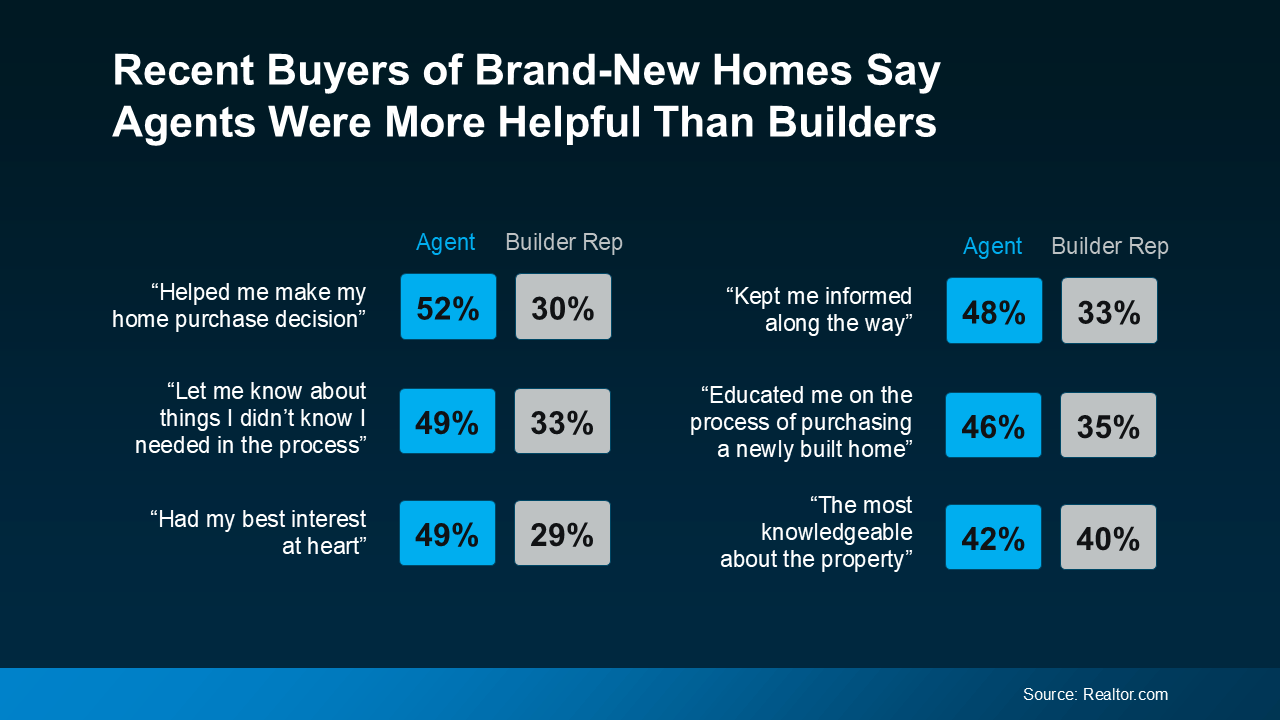
Maybe that’s why data shows homebuyers unanimously scored their agents higher than their builders when looking back on their recent purchase:

a screenshot of a graphSo, you don’t need to worry that they just don’t make them like they used to. By working with a knowledgeable real estate agent to choose a reputable builder, you can feel confident when buying a newly built home today. As Realtor.com says:

“If you are interested in buying a new construction . . . You need your own real estate agent from the get-go. Even if it seems like plug and play to sign up with the builder’s on-site agent, you’re going to want someone representing your side of the deal.

Bottom Line

If you’re considering buying a brand-new home, don’t let misconceptions hold you back. Let’s work together to find a home you’ll love and be proud to call your own.

Oct. 16, 2024

The Benefits of Using Your Equity To Make a Bigger Down Payment


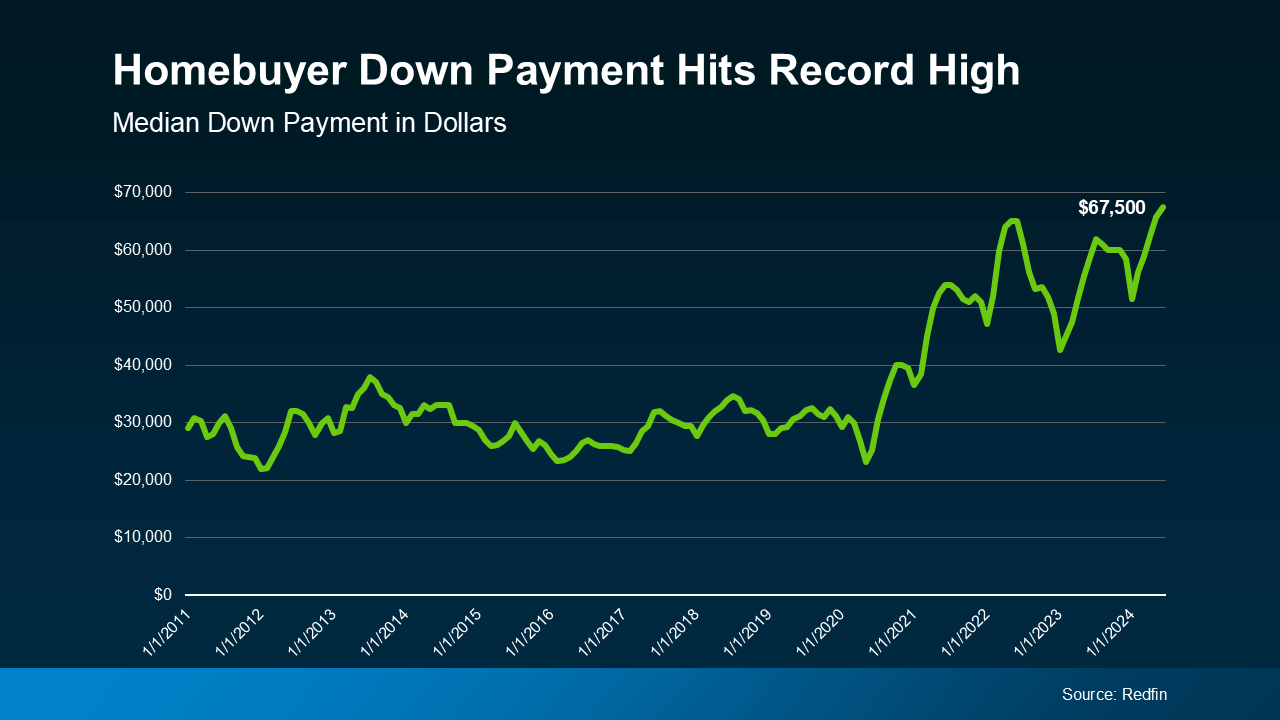
Did you know? Homeowners are often able to put more money down when they buy their next home. That’s because, once they sell, they can use the equity they have in their current house toward their next down payment. And it’s why as home equity reaches a new height, the median down payment has too.

According to the latest data from Redfin, the typical down payment for U.S. homebuyers is $67,500—that’s nearly 15% more than last year, and the highest on record (see graph below):

a graph showing a green lineHere’s why equity makes this possible. Over the past five years, home prices have increased significantly, which has led to a big boost in equity for current homeowners like you. When you sell your house and move, you can take the equity that gives you and apply it toward a larger down payment on your new home. That’s a major opportunity, especially if you’ve had concerns about affordability.

Now, it’s important to remember you don’t have to make a big down payment to buy your next home—there are loan programs that let you put as little as 3%, or even 0% down. But there’s a reason so many current homeowners are opting to put more money down. That’s because it comes with some serious perks.

Why a Bigger Down Payment Can Be a Game Changer

1. You’ll Borrow Less and Save More in the Long Run

When you use your equity to make a bigger down payment on your next home, you won’t have to borrow as much. And the less you borrow, the less you’ll pay in interest over the life of your loan. That’s money saved in your pocket for years to come.

2. You Could Get a Lower Mortgage Rate

Providing a larger down payment shows your lender you’re more financially stable and not a large credit risk. The more confident your lender is in your credit score and your ability to pay your loan, the lower the mortgage rate they’ll likely be willing to give you. And that amplifies your savings.

3. Your Monthly Payments Could Be Lower

A bigger down payment doesn’t just help you reduce how much you have to borrow—it also means your monthly mortgage payment may be smaller. That can make your next home more affordable and give you a bit more breathing room in your budget.

4. You Can Skip Private Mortgage Insurance (PMI)

If you can put down 20% or more, you can avoid Private Mortgage Insurance (PMI), which is an added cost many buyers have to pay if their down payment isn’t as large. Freddie Mac explains it like this:

“For homeowners who put less than 20% down, Private Mortgage Insurance or PMI is an added insurance policy for homeowners that protects the lender if you are unable to pay your mortgage. It is not the same thing as homeowner's insurance. It's a monthly fee, rolled into your mortgage payment, that’s required if you make a down payment less than 20%.”

Avoiding PMI means you’ll have one less expense to worry about each month, which is a nice bonus.

Bottom Line

Down payments are at a record high, largely because recent equity gains are putting homeowners in a position to put more money down.

If you’re thinking about selling your current house and moving, let’s work together to figure out how much home equity you have right now, and how it can boost your buying power in today’s market.

Oct. 12, 2024

Two Reasons Why the Housing Market Won’t Crash


Florida Custom Homes

You may have heard chatter recently about the economy and talk about a possible recession. It's no surprise that kind of noise gets some people worried about a housing market crash. Maybe you’re one of them. But here’s the good news – there’s no need to panic. The housing market is not set up for a crash right now.

Real estate journalist Michele Lerner says:

“A housing market crash happens when home values plummet due to a lack of demand for homes or an oversupply.”

With that definition in mind, here are two reasons why this just isn’t on the horizon.

1. Demand for Homes Is Higher than Supply

One of the biggest reasons the housing market crashed back in 2008 was an oversupply of homes. Today, though, it’s a very different story.

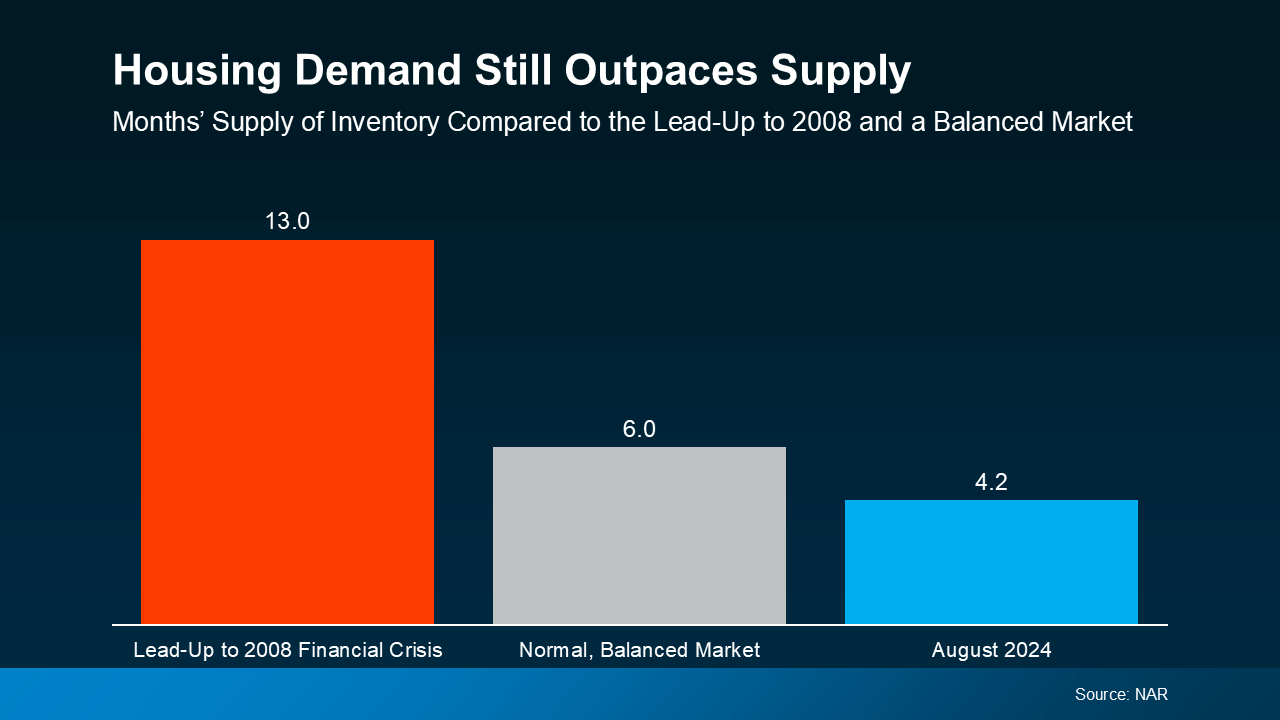
It’s a general rule of thumb that a market where supply and demand are balanced has a six-month supply of homes. A higher number means supply outpaces demand, and a lower number means demand outpaces supply. The graph below uses data from NAR to put today’s situation into context:

a graph of a company's supplyThe graph compares housing supply during three different periods of time. The red bar shows there were 13 months of supply before the 2008 crisis, which was far too much. The gray bar shows a balanced market with six months of supply, for context. And the blue bar shows there are only 4.2 months of supply today.

Put simply, there are more people who want to buy homes than there are homes available to buy right now. So, demand is greater than supply. When that happens, home prices stay steady or rise – the opposite of a housing market crash.

It’s important to note that inventory levels differ from market to market. Some areas may be more balanced, while a few could have a slight oversupply, which can impact prices locally. However, most markets continue to experience a shortage of homes.

Lawrence Yun, Chief Economist at the National Association of Realtors (NAR), says:

We simply don’t have enough inventory. Will some markets see a price decline? Yes. [But] with the supply not being there, the repeat of a 30 percent price decline is highly, highly unlikely.”

2. Unemployment Is Still Low

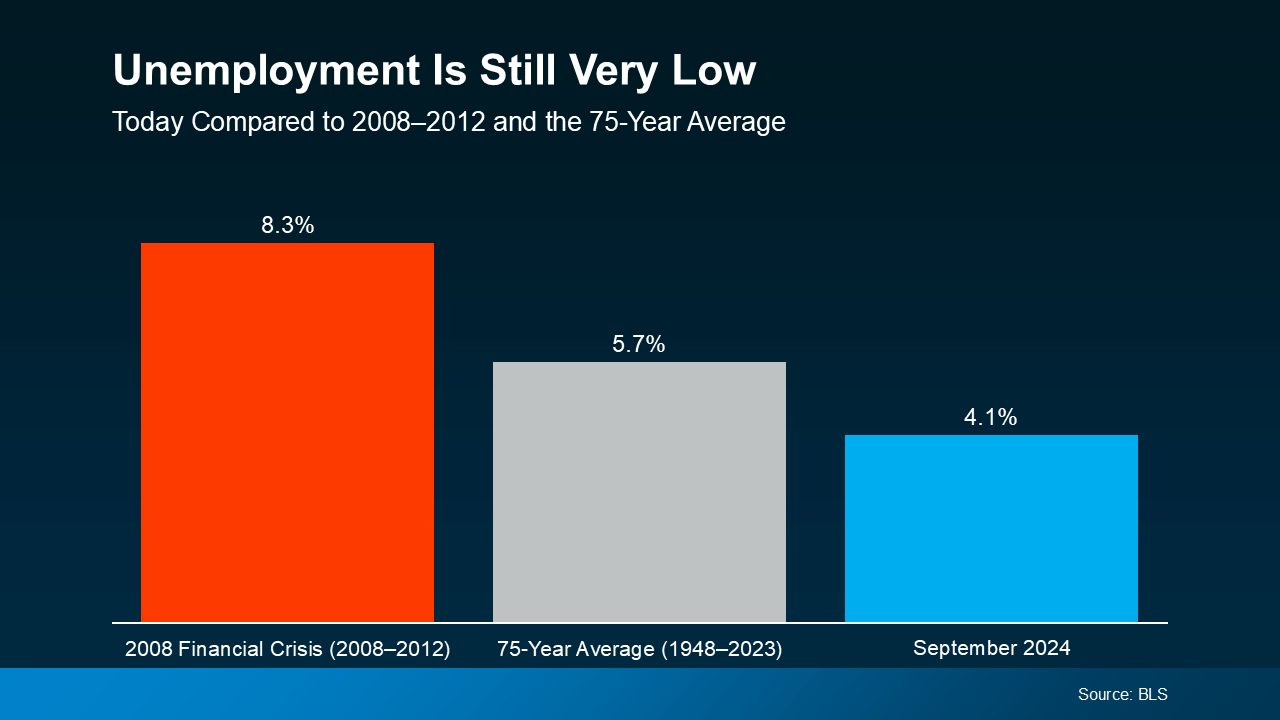
When people are unemployed, they’re more likely to have trouble making their mortgage payments and may be forced to sell or face foreclosure. That was a big problem during the 2008 financial crisis. Today, the employment situation is much more stable (see graph below):

a graph of employmentAgain, this graph shows three different periods of time, but this one is the unemployment rate. The red bar represents the 2008 financial crisis when unemployment was very high at 8.3%. The gray bar shows the 75-year average of 5.7%. And the blue bar shows the unemployment rate today, and it’s much lower at just 4.1%.

Right now, people are working, earning an income, and making their mortgage payments. That’s one reason why the wave of foreclosures that happened in 2008 isn’t going to happen again this time. Plus, since so many people are employed right now, many are actually in a position to buy a home, and this demand keeps upward pressure on prices.

Today’s Housing Market Is Stronger than in 2008

While it’s understandable to be concerned when you hear talk of a recession and economic uncertainty, but know this: the housing market is in a much better place than it was in 2008. According to Rick Sharga, Founder and CEO at CJ Patrick Company:

“Literally everything is different about today’s housing market dynamics than the conditions that led to the housing crisis.”

Demand for homes still outpaces supply, and unemployment remains low. And these are two key factors that will help prevent the housing market from crashing any time soon.

Bottom Line

The housing market is doing a lot better than it was in 2008, but it’s important to remember that real estate is very local.

So, it’s always a good idea to stay informed about our specific market. If you have any questions or want to discuss how these factors are playing out in our area, feel free to reach out.

Oct. 5, 2024

Home Values Keep Rising Even as Median Prices Fall


Florida Custom Homes
Florida New Construction Homes


Recent headlines have been buzzing about the median asking price of homes dropping compared to last year, and that’s sparked plenty of confusion. And as a buyer or seller, it’s easy to assume that means prices are coming down. But here’s the catch: those numbers don’t tell the full story.

Nationally, home values are actually rising, even if the median price is down a bit. Let’s break down what’s really happening so you can make sense of the market without getting caught up in the fear the headlines create.

Homes on the Market Right Now Are Smaller

The biggest reason for the dip in median price is the size of homes being sold. The median price reflects the middle point of all the homes for sale at any given time. And that’ll be affected by the mix of homes on the market.

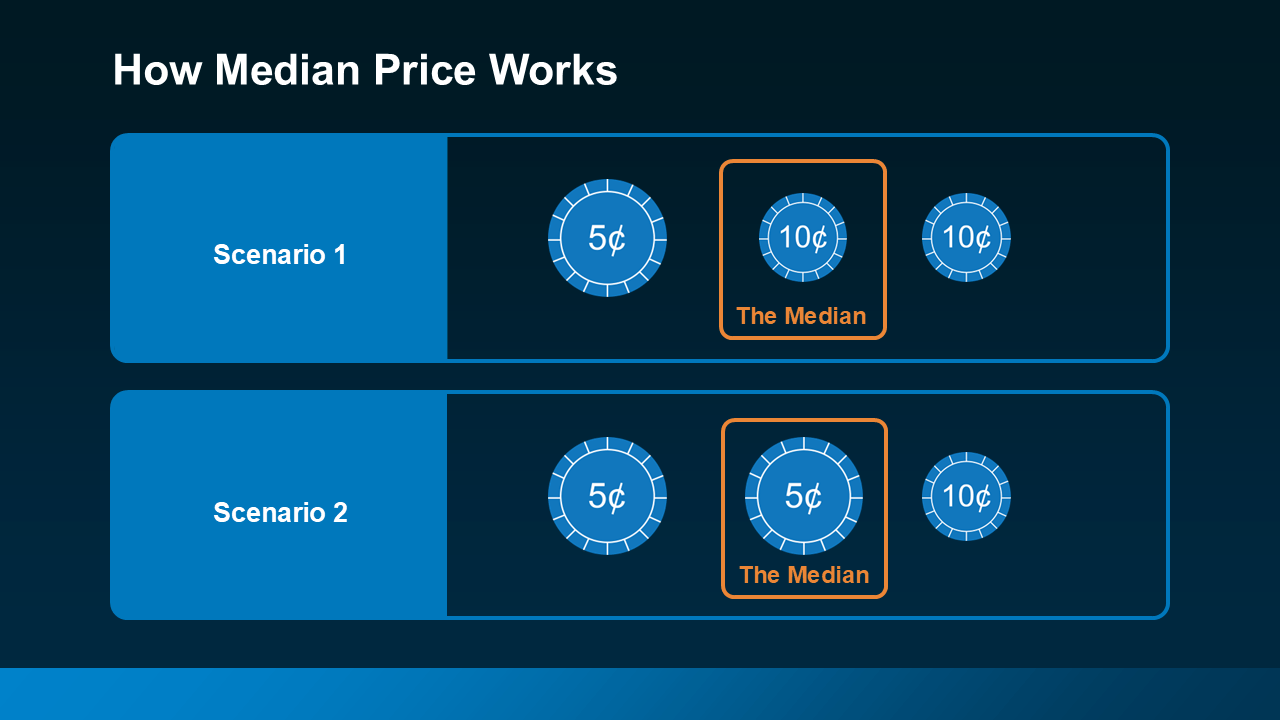
To show you how this works, here’s a simple explanation of a median (see visual below). Let’s say you have three coins in your pocket, and you decide to line them up according to their value from low to high. If you have one nickel and two dimes, the median (the middle one) is 10 cents. If you have two nickels and one dime, the median is now five cents.

No Caption ReceivedIn both cases, a nickel is still worth five cents and a dime is still worth 10 cents. The value of each coin didn’t change. The same is true for housing.

Right now, there’s a greater number of smaller, less expensive homes on the market, and that’s bringing the overall median price down. But that doesn’t mean home values are declining.

As Danielle Hale, Chief Economist at Realtor.comexplains:

“The share of inventory of smaller and more affordable homes has grown, which helps hold down the median price even as per-square-foot prices grow further.”

And here’s the data to prove it. 

Price Per Square Foot Is Still Rising

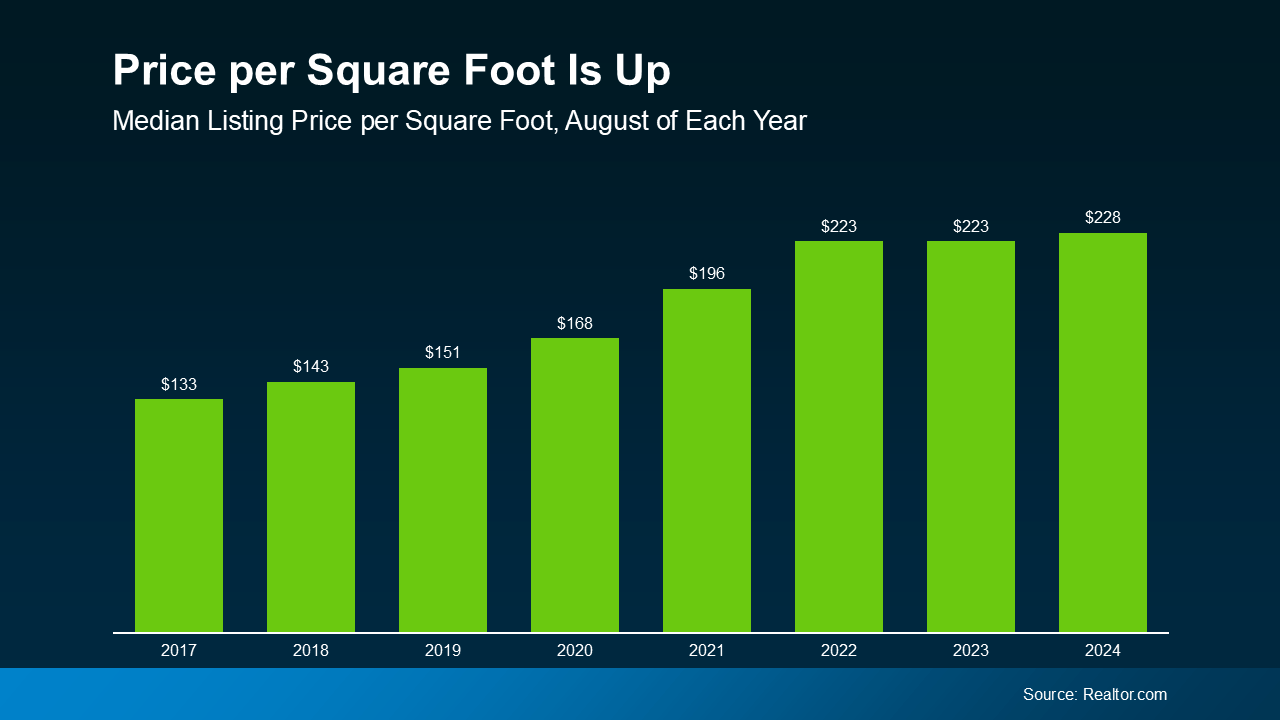
One of the best ways to measure home values is by looking at the price per square foot. That’s because it shows how much you're paying for the space inside the home.

The median asking price doesn't take into account the size of different homes, so it may not always reflect the true value. And the latest national price per square foot data shows home values are still increasing, even though the median asking price has dropped (see graph below).

No Caption ReceivedAs Ralph McLaughlin, Senior Economist at Realtor.com, explains:

“When a change in the mix of inventory toward smaller homes is accounted for, the typical home listed this year has increased in asking price compared with last year.”

This means that while smaller homes are affecting the median price, the average home’s value is still rising. According to the Federal Housing Finance Agency (FHFA):

“Nationally, the U.S. housing market has experienced positive annual appreciation each quarter since the start of 2012.”

So, while headlines may make it sound like prices are crashing, you don’t have to worry. With a closer look and more reliable data, you can see that prices are still climbing nationally.

But it’s important to remember that home prices can vary by region. While national trends provide a big-picture view, local markets may be experiencing different conditions. A trusted agent is the best resource to explain what’s happening in your area.

Bottom Line

The decrease in median price is not the same as a decrease in home values. The median asking price is down mostly due to the mix of smaller, less expensive homes on the market.

The important thing to focus on is the price per square foot, which is a better indicator of overall market value—and those prices are still going up. If you have questions about what home prices are doing in our area, feel free to reach out. 

Oct. 2, 2024

Real Estate the Best Long-Term Investment

Luxury Florida Custom Homes

Real Estate Best Investment

According to a recent poll from Gallup, real estate has been voted the best long-term investment for twelve straight years. That’s because a home is so much more just than a roof over your head. It’s also an asset that typically grows in value over time. If you’ve been debating if it makes more sense to rent or buy, Call, text or email to talk about why homeownership can be a better bet in the long run. Scott Meadows - FloridaCustomHomes.com - 239.220.1157

Oct. 1, 2024

This Is the Sweet Spot Homebuyers Have Been Waiting For


Homebuyers

After months of sitting on the sidelines, many homebuyers who were priced out by high mortgage rates and affordability challenges finally have an opportunity to make their move. With rates trending down, today’s market is a sweet spot for buyers—and it’s one that may not last long.

So, if you’ve put your own move on the back burner, here’s why maybe you shouldn’t delay your plans any longer.

As you weigh your options and decide if you should buy now or wait, ask yourself this: What do you think everyone else is going to do?

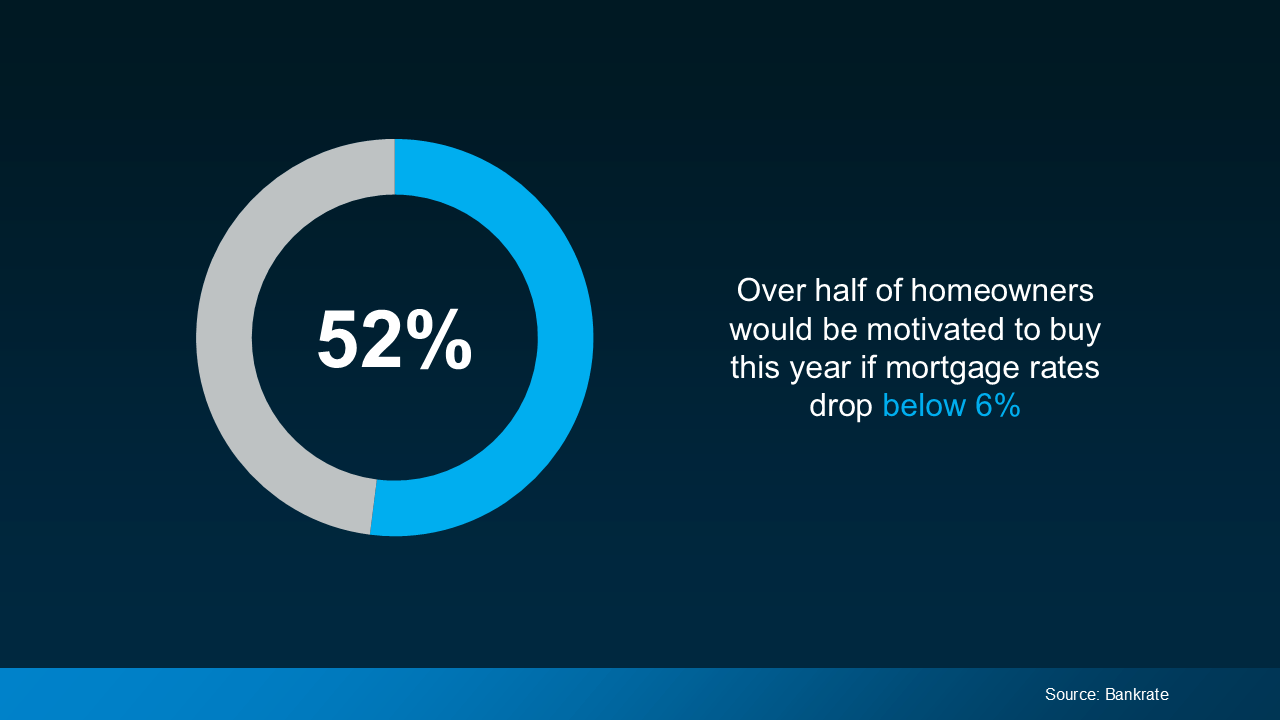
The truth is, if mortgage rates continue to ease, as experts project, more buyers will jump back into the market. A survey from Bankrate shows over half of homeowners would be motivated to buy this year if rates drop below 6% (see graph below):

No Caption ReceivedWith rates already in the low 6% range, we’re not terribly far off from hitting that threshold. The bottom line is, that when they drop into the 5s, the number of buyers in the market is going to go up – and that means more competition for you.

That increased demand will likely push home prices up, which could potentially take away from some of the benefits you'd gain from a slightly lower interest rate. As Nadia Evangelou, Senior Economist and Director of Real Estate Research at the National Association of Realtors (NAR), explains:

“The downside of increased demand is that it puts upward pressure on home prices as multiple buyers compete for a limited number of homes. In markets with ongoing housing shortages, this price increase can offset some of the affordability gains from lower mortgage rates.”

So, while waiting to buy may seem like a smart move, it could backfire if rising prices outpace your savings from slightly lower rates.

What This Means for You

Right now, you’ve got the chance to get ahead of all of that. Today’s market is a buyer sweet spot. Why? Because a lot of other buyers are waiting – which means not as many people are actively looking for homes. That means less competition for you.

At the same time, affordability has already improved quite a bit. Recent easing in mortgage rates has made homeownership more accessible. As Mike Simonsen, Founder of Altos Researchsays:

“Mortgage payments on the typical-price home are 7% lower than last year and are 13% lower than the peak in May 2024.”

And while the supply of homes for sale is still low, it's also higher than it’s been in years. According to Ralph McLaughlin, Senior Economist at Realtor.com:

“The number of homes actively for sale continues to be elevated compared with last year, growing by 35.8%, a 10th straight month of growth, and now sits at the highest since May 2020.”

This means you now have more options to choose from than you’ve had in quite a while.

With fewer buyers in the market, improving affordability, and more homes to choose from, you have the chance to find the right one before the competition heats up.

Why Waiting Could Cost You

If you’re waiting for the perfect time to buy, it’s important to understand that timing the market is nearly impossible. The longer you wait, the higher the risk that market conditions will shift—and not necessarily in your favor. As Greg McBride, Chief Financial Analyst at Bankrate, says:

“It’s one of those things where you should be careful what you wish for. A further drop in mortgage rates could bring a surge of demand that makes it tougher to actually buy a house.”

Bottom Line

Don’t wait until you have to deal with more competition and higher prices – you already have the chance to buy a home while we’re in the sweet spot today. Let’s connect to make sure you’re taking advantage of it.