June 13, 2025

Can Southwest Florida Homeowners Protect Against Hurricanes?

How Southwest Florida Homeowners can Hurricane Proof their homes

🌀 How Southwest Florida Homeowners Can Hurricane-Proof Their Homes

Living in Southwest Florida means enjoying sunshine, beaches, and beautiful weather—most of the year. But when hurricane season rolls in, the risks to life and property become very real. With major storms like Ian and Irma still fresh in memory, it’s essential for homeowners to take proactive steps to harden their homes against hurricane damage.

This guide covers the most effective home improvements—from windows and roofing to garage doors and structural reinforcements—that can significantly increase your home’s chances of surviving a major hurricane.


🪟 Upgrade Windows to Impact-Resistant Systems

Standard windows can shatter easily, leaving your home vulnerable to wind and water intrusion. Replacing them with impact-resistant windows is one of the smartest upgrades a Florida homeowner can make.

Key Features to Look For:

  • Laminated impact glass: Designed to withstand flying debris

  • Miami-Dade NOA or Florida Building Code (FBC) compliance: Tested for high-velocity hurricane zones

  • Reinforced frames and proper installation: A strong frame is just as important as strong glass

💡 On a budget? Consider installing hurricane shutters (accordion, roll-down, or panel style) for seasonal protection.


🚪 Reinforce Exterior and Garage Doors

Your doors are only as strong as their weakest hinge.

What You Should Upgrade:

  • Entry doors: Choose hurricane-rated doors with a solid core, three hinges, and a 1” deadbolt

  • Sliding glass doors: Replace with impact-rated versions or protect with shutters or screens

  • Garage doors: A common failure point in hurricanes—install a wind-rated or reinforced garage door. Retrofit kits are available for older units.

A blown-in garage door can pressurize your home and cause catastrophic roof failure—don’t overlook it.


🏠 Strengthen Your Roof—Your First Line of Defense

Hurricane-force winds often start roof damage that leads to much greater losses. Here's how to upgrade your roof system:

Critical Improvements:

  • Replace old roofing with materials rated for 130+ mph winds (metal or high-wind asphalt shingles)

  • Install roof decking with ring-shank nails or adhesives for better wind resistance

  • Add a secondary water barrier, like peel-and-stick underlayment

  • Use hurricane straps or clips to connect the roof structure to the walls

🛑 If your roof is over 15 years old, it may no longer meet modern codes and could be a major liability.


🧱 Don’t Forget Structural Reinforcements

If your home has gable ends, overhangs, or soffits, these can be weak spots in high winds.

Strengthen These Areas:

  • Gable ends: Brace with wood or metal supports

  • Wall anchoring: Ensure walls are securely fastened to the foundation

  • Seal all exterior openings: Vents, soffits, and eaves should be sealed tightly to block water and wind


🌪️ Install Hurricane Protection Systems

For an added layer of defense, consider installing:

  • Hurricane shutters: Permanent or removable systems for windows and doors

  • Impact screens or mesh: Lightweight, effective, and easy to deploy

  • Storm panels: Affordable, but more labor-intensive to set up and store


📉 Get Insurance Discounts with a Wind Mitigation Inspection

In Florida, a wind mitigation inspection by a licensed professional can identify your home’s strengths and weaknesses. If you’ve made qualifying improvements, you may be eligible for significant discounts on homeowners insurance.


🧠 Bonus Tips for Preparedness

  • Secure your property: Trim trees, anchor sheds, and tie down outdoor furniture

  • Install a generator: Keeps essentials running during power outages

  • Join the FORTIFIED Home™ program: A certification by IBHS offering hurricane-resistant construction standards


✅ Prioritize for the Best Protection and ROI

Priority Upgrade Why It Matters
🟢 Impact windows & doors Prevents breach and water intrusion
🟢 Roof reinforcement Protects entire structure from collapse
🟡 Wind-rated garage door Prevents structural pressurization
🟡 Hurricane shutters Budget-friendly window protection
🔵 Gable bracing & sealing Reduces entry points for wind and rain
🔵 Generator & landscape prep Improves resilience & recovery time

Final Thoughts

Hurricanes are not a question of if, but when—especially in Southwest Florida. By making strategic home improvements now, you can protect your family, reduce storm damage, and potentially save thousands on insurance and repair costs.

🏡 Start with a wind mitigation inspection, and create a plan based on your budget and your home’s vulnerabilities. Protect your investment—and your peace of mind.
April 29, 2025

Babcock Ranch Homes for Sale

🌞 Babcock Ranch Homes for Sale: Discover Sustainable Living in Southwest Florida

Imagine living in a town that runs entirely on solar power, where homes are designed for energy efficiency and nature is part of your everyday lifestyle. Welcome to Babcock Ranch—America’s first solar-powered town and one of the most forward-thinking communities in the country.

Whether you're looking for a stylish condo, a family-friendly home, or a custom luxury estate, Babcock Ranch homes for sale offer something for every buyer seeking sustainable, modern living in Southwest Florida.


🌿 Why Choose Babcock Ranch?

1. A Solar-Powered Visionary Community

Babcock Ranch is more than a neighborhood—it's a movement. This town is powered by over 400,000 solar panels, producing more energy than it uses. When you buy a home here, you're not just investing in real estate—you're investing in a cleaner, greener future.

2. Eco-Conscious Homes Built for the Future

Every home is crafted with sustainability in mind. From solar panels and smart tech to energy-efficient appliances, Babcock Ranch homes blend modern convenience with green living. Whether you prefer a cozy home or a custom-built estate, you'll find properties designed to reduce your carbon footprint and your energy bills.

3. Live Among Nature, Not Apart From It

With over 13,000 acres of preserved green space, residents enjoy easy access to hiking trails, bike paths, and scenic views. The nearby Babcock Ranch Preserve adds even more wildlife and natural beauty to explore. Homes here are designed to maximize indoor-outdoor living and deepen your connection with nature.

4. Built with Resilience in Mind

Living in Florida comes with unique climate challenges, and Babcock Ranch is ready. Homes are elevated and storm-resilient, designed to weather hurricanes and floods while staying powered through solar energy. Safety and sustainability go hand-in-hand.

5. A Community That Feels Like Home

Life here is about more than your house—it’s about your neighborhood. From farmers markets and food trucks to community events and outdoor concerts, Babcock Ranch offers a warm, family-friendly vibe with something for everyone.

6. Smart Growth & Smart Technology

Innovation is everywhere. Babcock Ranch is wired with fiber-optic internet, includes walkable town centers, and boasts smart infrastructure to minimize environmental impact. It’s a town built with tomorrow in mind—today.

7. Close to Everything, Far From Ordinary

Tucked in a peaceful setting but just a short drive from Fort Myers, Naples, and Punta Gorda, Babcock Ranch gives you the best of both worlds: serene, eco-focused living with access to Southwest Florida’s shopping, dining, and cultural attractions.


🏡 Real Estate Options in Babcock Ranch

Whether you’re buying your first home or looking to upgrade to something spectacular, there’s a property in Babcock Ranch for you.

🏠 Single-Family Homes

Perfect for families or anyone looking for more space, these homes offer:

  • Energy-saving features and solar systems

  • Smart home upgrades

  • Hurricane-resilient construction

  • Spacious yards and modern floor plans

🏘️ Townhomes

Ideal for low-maintenance living, Babcock Ranch townhomes include:

  • Private garages

  • Eco-friendly building materials

  • Proximity to parks and trails

  • Compact, efficient layouts

🏡 Luxury Estates

Experience the height of sustainable luxury with:

  • Custom architecture and designer finishes

  • Gourmet kitchens, outdoor living spaces, and private pools

  • Sweeping views of preserved land and nature trails

  • Smart tech integration and green materials

🏢 Eco-Friendly Condos

Downsizing or seeking a seasonal retreat? Condos here feature:

  • High-efficiency design

  • Smart lighting and temperature controls

  • Easy access to town amenities and recreation

🛠️ Custom Homes

Build your dream green home from the ground up. With endless customization options, you can create a space tailored to your lifestyle—with the planet in mind.


👨‍💼 Scott Meadows: Your Babcock Ranch Real Estate Expert

When navigating the real estate landscape of Babcock Ranch, having a knowledgeable and experienced professional by your side is invaluable. Scott Meadows, a Broker Associate at Premiere Plus Realty, brings over 35 years of real estate experience in Southwest Florida. His deep understanding of sustainable communities, luxury waterfront properties, and innovative developments like Babcock Ranch makes him a trusted advisor for both buyers and sellers.Realtor+2Florida Custom Homes+2Florida Custom Homes+2

Scott is dedicated to providing unparalleled service, ensuring that your real estate journey is seamless and successful. Whether you're exploring options, ready to buy, or looking to sell, Scott's expertise will guide you every step of the way.

Contact Scott Meadows Today:

Don't wait! Reach out to Scott Meadows, your trusted Babcock Ranch real estate expert, and start your journey toward finding your dream home in Southwest Florida.


🌇 Ready to Find Your Home in Babcock Ranch?

If you're drawn to sustainable living, advanced technology, and a close-knit community vibe, Babcock Ranch homes for sale offer a truly unique opportunity in Southwest Florida. Whether you're relocating, retiring, or investing, now is the perfect time to explore this innovative town that’s changing the future of residential living.


Contact Scott Meadows today to schedule a tour or learn more about available listings.

Posted in Babcock Ranch
April 28, 2025

Webb’s Reserve Homes for Sale

🌿 Webb’s Reserve Homes for Sale: Discover Webb’s Reserve at Babcock Ranch

Explore Eco-Luxury and Waterfront Living in Southwest Florida

Looking for the perfect blend of luxury, sustainability, and natural beauty? Webb’s Reserve at Babcock Ranch is one of Southwest Florida’s most exclusive communities, offering a premium selection of eco-friendly homes for sale. Nestled within America’s first solar-powered town, Webb’s Reserve stands out for its modern designs, energy-efficient features, and private, nature-rich setting.

Whether you're searching for a luxury custom estate, a low-maintenance townhome, or a smart, solar-powered single-family home, Webb’s Reserve is where innovation meets tranquility. Explore why more homebuyers are choosing Webb’s Reserve homes for sale in Babcock Ranch, Punta Gorda, FL.


🌞 Why Choose Webb’s Reserve at Babcock Ranch?

🏞️ Private, Nature-Centric Living

Webb’s Reserve is a secluded enclave within the greater Babcock Ranch community, offering a peaceful, environmentally focused lifestyle. Surrounded by expansive nature preserves, scenic trails, and serene lakefronts, residents enjoy tranquility without sacrificing modern convenience.

This master-planned neighborhood is perfect for buyers looking for privacy, access to nature, and green living in a luxury setting.


🌱 Sustainable Living Meets Modern Design

💡 Powered by Solar, Built for the Future

As part of the larger Babcock Ranch community, Webb’s Reserve benefits from the town’s massive solar energy infrastructure. Homes are built with:

  • Energy-efficient appliances

  • Smart home technology

  • Eco-conscious construction materials

  • Solar-powered systems that reduce utility costs and carbon footprint

Whether you’re downsizing or designing your dream estate, every property here is tailored to promote sustainability, comfort, and efficiency.


🏡 Explore Home Types in Webb’s Reserve

🏠 Single-Family Homes for Sale

Perfect for families or retirees, these homes range from 2,000 to 3,500 sq. ft. and feature:

  • Open-concept layouts

  • Solar panel integration

  • Smart thermostats, lighting, and security

  • Private yards with direct access to nature trails

🏡 Luxury Custom Homes

For those seeking top-tier living, custom homes in Webb’s Reserve span 3,000 to 5,000+ sq. ft. and include:

  • Premium finishes & high-end kitchens

  • Outdoor living areas with room for pools, fire pits, and entertainment spaces

  • Options to fully personalize architecture and design

  • Sustainable construction with the latest green technology

🏘️ Townhomes in Webb’s Reserve

A perfect balance of low-maintenance and modern living, these homes start at 1,500 sq. ft. and offer:

  • Eco-friendly building materials

  • Efficient layouts ideal for seasonal or year-round living

  • Walking distance to parks, trails, and community events


🌴 Webb’s Reserve Amenities & Community Perks

As a resident of Webb’s Reserve, you gain full access to the extensive amenities of Babcock Ranch, including:

  • 🌞 Babcock Ranch Solar Farm – The largest in the nation, providing clean, renewable energy for the community

  • 🚶‍♂️ 13,000+ Acres of Nature Preserves – Ideal for hiking, biking, kayaking, and wildlife observation

  • 🛍️ Town Center & Founder's Square – With restaurants, markets, wellness centers, and frequent local events

  • 🌱 Eco-Discovery Center – A community hub for sustainability education and environmental stewardship

Whether you’re enjoying a farmers market, attending a live music event, or strolling through scenic trails, Webb’s Reserve delivers a lifestyle that’s both vibrant and mindful.


📊 Webb’s Reserve Real Estate Market Report

The real estate market in Webb’s Reserve is growing, with high demand for eco-conscious homes that don’t sacrifice luxury or location. With limited inventory and rising interest in sustainable living, now is the time to explore Webb’s Reserve homes for sale.

From move-in-ready properties to custom builds still in development, this community offers exceptional long-term value.


🧭 Meet Scott Meadows – Your Local Real Estate Expert in Webb’s Reserve

If you're exploring Webb’s Reserve at Babcock Ranch, Scott Meadows is your go-to guide. With over 35 years of experience in the Southwest Florida real estate market, Scott is a Broker Associate at Premiere Plus Realty specializing in:

  • Waterfront and luxury homes

  • Sustainable and solar-powered communities

  • New construction and custom developments

🤝 Work With an Agent Who Understands Webb’s Reserve

Scott’s deep knowledge of Webb’s Reserve homes, amenities, and builder relationships ensures that you get expert guidance every step of the way.

Contact Scott Meadows Today:


🏡 Begin Your Journey: Webb’s Reserve Homes for Sale

If you’re dreaming of luxury waterfront living with a sustainable twist, Webb’s Reserve at Babcock Ranch offers the perfect blend of lifestyle, comfort, and eco-conscious values. Whether you're buying your forever home or investing in the future, this community stands apart as one of Florida’s most innovative places to live.


Start exploring Webb’s Reserve homes for sale today—and make your move to a smarter, greener, more connected way of living.

April 17, 2025

What Buyers Should Know Before Buying a New Construction Home in Fort Myers, Florida

Fort Myers New Homes

Fort Myers New Homes

Purchasing a new construction home in Fort Myers, Florida is a major milestone—and an exciting one. Known for its sunny weather, coastal charm, and thriving real estate market, Fort Myers has become a popular destination for homebuyers looking for fresh, modern homes in master-planned communities. But buying new construction is not the same as buying a resale home. It comes with its own process, considerations, and potential pitfalls.

If you’re planning to invest in new construction in Fort Myers, it’s important to approach the purchase with a clear understanding of what to expect. From selecting the right location to evaluating builders and navigating closing costs, this guide will walk you through what you should know before buying a new construction home in Fort Myers, Florida.


1. Choosing the Right Location in Fort Myers

In real estate, location is everything. And in Fort Myers, the neighborhood you choose will influence not just your lifestyle but also your home’s long-term value.

Access to Key Amenities: Consider how close the community is to schools, hospitals, shopping centers, and beaches. Some new construction developments are located in more suburban parts of Fort Myers, offering peace and privacy but requiring longer commutes.

Flood Zones & Insurance: Fort Myers is a coastal city, and many areas are prone to flooding. Check if the lot is located in a FEMA-designated flood zone. If so, you may be required to carry flood insurance—and that can significantly impact your monthly expenses.

Waterfront or Gulf Access: Many buyers in Fort Myers seek homes with water access. If this is on your wishlist, look for new construction near the Caloosahatchee River, canals, or the Gulf. These areas offer beautiful views and boating opportunities but may come with higher price tags and stricter building codes.


2. Research the Builder’s Track Record

One of the most critical aspects of buying new construction is choosing a reputable builder. Not all builders deliver the same quality or customer service.

Builder Reviews and Ratings: Look up online reviews, BBB ratings, and customer testimonials. Ask the builder for references or visit previously completed communities to inspect craftsmanship.

Home Warranty: A good builder provides a comprehensive warranty covering structural issues and major systems like HVAC, electrical, and plumbing. Make sure you understand what’s included—and for how long.

Track Record in Florida: Builders who are familiar with Florida’s building codes, storm-proof standards, and local permitting process typically provide more durable and compliant homes.


3. Understand Floor Plans, Base Prices & Customization Options

New construction offers an array of floor plans and the ability to customize. However, it’s important to differentiate between the base model and upgraded versions.

Base Pricing: The advertised starting price often includes only the standard features. Customizations—like upgraded flooring, countertops, cabinetry, or energy-efficient systems—usually come with an added cost.

Personalization Options: Many builders offer design center appointments where you can personalize finishes, fixtures, and appliances. Know what’s standard and what’s considered an upgrade before signing a contract.

Energy Efficiency: Look for homes with features such as low-E windows, smart thermostats, energy-efficient appliances, and improved insulation. These upgrades may cost more upfront but will reduce your energy bills long-term.


4. Anticipate Construction Timelines and Potential Delays

Buying a new construction home often means waiting several months for it to be completed—sometimes longer.

Estimated Completion Dates: Builders will give you an estimated move-in date, but be aware this timeline can shift. Weather delays, supply chain disruptions, and permitting issues can all extend construction.

Temporary Housing Needs: If you’re selling a current home or moving from out of town, plan for interim housing in case your home isn’t ready when expected. Some builders can help with temporary accommodations or flexible closing dates.

Financing Timelines: If you’re getting a mortgage, make sure your rate lock and loan terms align with the estimated completion window.


5. Get Independent Inspections During the Build

Many buyers assume a new home doesn’t need an inspection—but this is a costly mistake. Even new builds can have defects or construction errors.

Pre-Drywall Inspection: This allows a licensed inspector to check plumbing, wiring, HVAC, and structural components before walls are closed up. It’s your chance to catch issues early.

Final Inspection & Walk-Through: Before closing, do a full inspection of the finished home. Look for cosmetic defects, incomplete work, or damaged finishes. Use a punch list to track repairs that must be completed before move-in.

Third-Party Inspection: Consider hiring your own inspector for unbiased feedback. Relying solely on the builder’s inspection may not uncover all issues.


6. Budget for Closing Costs, HOA Fees, and Additional Expenses

Buying a new construction home involves more than just the sale price. Here are some common expenses that can surprise first-time buyers.

Closing Costs: These include title fees, loan origination, escrow, inspections, and taxes. In some cases, builders may offer incentives or cover a portion of the closing costs—but only if you use their preferred lender.

HOA Fees: Many new communities in Fort Myers have homeowner associations that manage amenities, landscaping, and common areas. Make sure you know the monthly or annual fee and what’s included.

Community Development District (CDD) Fees: Some new developments have CDD assessments to fund infrastructure. These are often added to your annual tax bill.

Utilities and Landscaping: Newly constructed homes may not come with fully landscaped yards or irrigation systems. Ask your builder what’s included, and budget accordingly.


7. Florida Building Codes & Hurricane Resilience

Florida is known for its strict building codes, especially when it comes to storm protection. Make sure your builder follows the latest standards.

Hurricane-Impact Windows: These windows are designed to withstand strong winds and flying debris. They’re a key upgrade in storm-prone areas.

Roofing & Structure: Ask if the roof is reinforced with hurricane straps or clips, and whether the construction includes concrete block walls, which are more durable in severe weather.

Elevated Homes: In flood-prone areas, new homes must meet elevation standards. Elevated foundations help reduce flood risk—and can lower insurance premiums.


8. Understand Homeowners and Flood Insurance Requirements

Insurance is a crucial part of homeownership in Fort Myers, and costs can vary depending on location, home features, and risk factors.

Homeowners Insurance: Be sure your policy covers wind, water, fire, theft, and liability. New construction may qualify for lower premiums due to modern materials and storm protection features.

Flood Insurance: Required if your home is in a flood zone, this is a separate policy from standard homeowners insurance. Premiums can vary widely, so it’s best to get quotes early.

Builder's Coverage vs. Your Policy: Builders often have general liability during construction, but once you close, the home is your responsibility. Make sure your insurance policy takes effect on closing day.


9. Long-Term Maintenance and Resale Considerations

Although new construction homes require less upkeep initially, you’ll still need to plan for future maintenance.

Maintenance Plans: Consider setting aside a budget for routine tasks like HVAC servicing, landscaping, and pressure washing. Staying on top of maintenance will preserve your home’s value.

Resale Potential: Think long-term. How desirable will this neighborhood be in 5 or 10 years? Evaluate the community’s amenities, nearby schools, infrastructure, and planned developments.

HOA Rules: Some HOAs have strict rules regarding exterior modifications, rental policies, or landscaping. Make sure these align with your lifestyle before purchasing.


Work with a Local Expert: Scott Meadows, Broker Associate

Navigating the new construction process is much easier with an experienced professional on your side. Scott Meadows, Broker Associate at Premiere Plus Realty, brings over 35 years of experience helping buyers make smart, informed decisions in the Fort Myers real estate market.

Whether you're looking for a custom home, a community loaded with amenities, or a low-maintenance townhome near the water, Scott offers the insight and guidance you need to make the right move.


Contact Scott Meadows Today

📞 Phone: 239.220.1157
📧 Email: ScottMeadows3@gmail.com
🌐 Website: FloridaCustomHomes.com


From lot selection to builder negotiations and closing support, Scott Meadows is your go-to resource for new construction homes in Fort Myers, Florida.

April 16, 2025

What We Learned from Hurricane Ian: Key Takeaways for Southwest Florida

What We Learned from Hurricane Ian

Hurricane Ian, which devastated Southwest Florida in September 2022, was a reminder of the powerful forces of nature and the vulnerability of coastal communities. The storm left a trail of destruction in its wake, affecting thousands of homes, businesses, and lives. However, in the aftermath, it also provided crucial lessons that can help Florida homeowners and communities better prepare for future hurricanes. Here are the key takeaways from Hurricane Ian’s impact on Southwest Florida.


1. What Areas in Florida Were Most Affected by Hurricane Ian?

Hurricane Ian made landfall as a Category 4 storm with winds of up to 150 mph, but it was the storm surge that caused the most devastating damage in many areas. The hardest-hit regions of Southwest Florida included:

  • Fort Myers Beach: The storm surge caused widespread flooding, destroying homes and businesses. The iconic Fort Myers Beach Pier was also significantly damaged.

  • Sanibel Island: The causeway connecting Sanibel to the mainland was washed away, isolating the island for days. Much of the island’s infrastructure was destroyed.

  • Pine Island: Like Sanibel, Pine Island’s main causeway was also destroyed, making evacuation and recovery efforts more difficult.

  • Cape Coral and Lee County: These areas experienced significant wind and water damage, with widespread flooding affecting homes, streets, and essential infrastructure.

While storm surge was the primary cause of damage, high winds and rainfall also led to significant flooding and destruction in inland areas. Overall, the storm made it clear that both coastal and inland areas in Southwest Florida are vulnerable to the impacts of hurricanes.


2. What Did We Learn About the Impact of Hurricane Ian on Southwest Florida?

Hurricane Ian revealed several critical lessons that homeowners, local authorities, and communities must consider when preparing for future storms:

  • The Power of Storm Surge: Coastal communities were particularly vulnerable to storm surges, with some areas experiencing surges as high as 12 feet. These surges can flood entire neighborhoods and overwhelm homes and infrastructure. Communities must invest in better flood defenses and storm surge protection.

  • The Vulnerability of Barrier Islands: Barrier islands, such as Sanibel Island and Pine Island, are especially susceptible to damage from storms. Many homes were destroyed, and the isolation of these areas caused significant delays in recovery efforts. It's essential to improve infrastructure and evacuation routes for barrier islands.

  • Building Codes and Resilience: Homes built before stricter building codes were introduced suffered more damage than those built under the current standards. Stronger hurricane-resistant building materials and elevated structures are essential to protecting homes from wind and flood damage.

  • Power and Communication Outages: Over 2.4 million people lost power, and communications were severely disrupted. The storm showed how vulnerable Florida’s power grid is to major hurricanes. Future efforts should focus on storm-resistant energy sources, such as solar power and microgrids, to keep communities functioning during and after a storm.

  • Emergency Preparedness: Many residents were caught off guard by the storm’s rapid intensification. While evacuation routes and shelters were available, they were often overwhelmed. Timely communication, well-organized evacuation plans, and easily accessible shelters will be essential for future storms.


3. How Can Homeowners Prepare for Future Hurricanes?

The lessons from Hurricane Ian highlight the importance of preparedness and resilience for homeowners in Southwest Florida. Here are some essential steps to take:

Hurricane-Proof Your Home

  • Reinforce your roof and windows: Install impact-resistant windows or storm shutters. Consider reinforcing your roof with hurricane straps.

  • Elevate your home: If possible, elevate your home above the base flood elevation to reduce flood risk.

  • Trim trees and shrubs: Remove dead branches and overhanging limbs that could cause damage during high winds.

  • Prepare for flood protection: Ensure your home is equipped with proper drainage systems, and if necessary, consider installing flood barriers.

Build a Hurricane Emergency Kit

  • Water and non-perishable food: Stock enough for at least 72 hours.

  • Flashlights, batteries, and a portable charger: Power outages are common during storms.

  • First aid kit, medications, and hygiene supplies: Ensure these are ready for use.

  • Documents: Keep essential documents in waterproof containers (e.g., ID, insurance policies, deeds).

Know Your Evacuation Routes

  • Evacuation plan: Know your evacuation zone and routes. For island communities, make sure to plan for evacuation early as infrastructure may become damaged.

  • Shelters: Identify shelters that can accommodate your family and pets.

Review Your Insurance Coverage

  • Flood insurance: Florida homeowners should always have flood insurance, especially since regular homeowner policies do not cover flood damage.

  • Hurricane and windstorm coverage: Review your insurance policy to ensure it provides adequate protection for wind and storm damage.

Stay Informed

  • Sign up for emergency alerts from local authorities, FEMA, and the National Hurricane Center to receive timely updates during the storm.

  • Use weather apps and follow official storm tracking systems to monitor hurricane developments.


Conclusion: Moving Forward with Preparedness and Resilience

Hurricane Ian showed us just how destructive a storm can be, but it also highlighted the resilience and strength of Southwest Florida’s communities. By implementing the lessons learned from the storm, homeowners can protect their properties, their families, and their future. Whether it's reinforcing your home, building an emergency kit, or staying informed, the key to weathering future hurricanes lies in preparation.


Contact Scott Meadows – Your Florida Hurricane-Resilient Real Estate Expert

Looking for a home built to withstand Florida’s hurricane season? Work with Scott Meadows, Broker Associate at Premiere Plus Realty. With over 35 years of experience in the Southwest Florida market, Scott specializes in helping homeowners find hurricane-resilient homes that provide peace of mind during storm season.

Contact Scott Meadows Today:


By understanding the lessons from Hurricane Ian, Southwest Florida can better prepare for future storms and continue to thrive, no matter what challenges lie ahead.

April 14, 2025

Florida Hurricane Season 2025: Essential Homeowner Preparation Guide

Hurricane season in Florida officially begins on June 1, 2025, and runs through November 30, 2025. With powerful storms potentially threatening coastal and inland areas, homeowners must take proactive steps to prepare early. From securing your home to stocking up on emergency supplies, a comprehensive hurricane preparedness plan can safeguard your family and property. Here's an SEO-optimized guide to help Florida homeowners prepare for Hurricane Season 2025.


Florida Hurricane Season Timeline (2025) Visual Timeline Graphic Here: Showing season from June 1 – November 30 with a peak around August–October.


1. Hurricane-Proof Your Florida Home Hurricanes bring destructive winds and flying debris that can cause severe damage. Secure your property with these steps:

🌪️ 1. Florida Hurricane Season Timeline (2025)

  • Start: June 1

  • Peak: Mid-August to October

  • End: November 30
    Purpose: Helps readers quickly understand the hurricane season window.

  • Inspect and reinforce your roof: Check for loose shingles and consider hurricane straps.

  • Install storm shutters or impact-resistant windows: These provide essential wind and debris protection.

  • Secure entry points: Reinforce doors and garage doors to resist wind pressure.

  • Trim trees and shrubs: Eliminate dead or overhanging limbs that could damage your home.

  • Clean gutters and downspouts: Prevents roof and foundation flooding.


2. Build a Hurricane Emergency Kit for Florida Families Every Florida household should have a 72-hour emergency supply.

🏠 2. How to Hurricane-Proof Your Home

  • Water (1 gallon per person per day for 3 days)

  • Non-perishable food items

  • Flashlights, batteries, and lanterns

  • Battery-powered or hand-crank radio

  • First aid kit and medications

  • Personal hygiene supplies

  • Waterproof container for important documents (ID, insurance, deeds)

  • Extra cash

  • Power banks and phone chargers


3. Know Your Florida Evacuation Zone and Route


🧰 3. Florida Hurricane Emergency Kit Checklist

  • Use Florida disaster maps to check your zone.

  • Identify multiple evacuation routes and nearby shelters.

  • Prepare your vehicle: fuel, spare tire, tools.


4. Review Florida Home Insurance and Flood Coverage

🗺️ 4. Know Your Florida Evacuation Zone

  • Confirm hurricane and windstorm coverage.

  • Purchase separate flood insurance through FEMA if needed.

  • Document valuables with photos/videos to simplify claims.


5. Prepare for Hurricane-Related Power Outages

5. Generator and Power Outage Prep

  • Buy a portable or whole-home generator.

  • Store fuel safely and legally.

  • Use coolers and propane stoves for cooking during outages.


6. Don’t Forget Pet Hurricane Preparedness

  • Prepare pet emergency kits (food, water, meds, leash, crate).

  • Identify shelters or hotels that accept pets.


7. Create a Florida Family Hurricane Communication Plan

  • Share contact info with family and neighbors.

  • Choose a designated contact outside the storm zone.

  • Keep printed lists of emergency contacts.


8. Stay Informed with Florida Hurricane Alerts

  • Follow updates from the National Hurricane Center.

  • Use the FEMA app and sign up for Florida emergency alerts.

  • Obey evacuation orders from local authorities immediately.


Backup Item Use Tip
Generator Keeps appliances running Keep fuel safely stored
Power Bank Charge phones Keep multiple, fully charged
Cooler Preserve food Stock with ice before storm


Conclusion: Peace of Mind Starts with Florida Hurricane Preparedness Start your Florida hurricane season preparation today. By taking action early, homeowners can reduce storm damage, protect loved ones, and ensure a faster recovery. Use this checklist to prepare for the 2025 hurricane season with confidence.


Real Estate Hurricane Safety Expert – Scott Meadows Looking to buy or sell a hurricane-resilient home in Florida? Get expert real estate advice from Scott Meadows, Broker Associate at Premiere Plus Realty. With over 35 years of experience, Scott specializes in homes built to withstand Florida’s storm season.

Contact Scott Meadows Today

Protect your home, protect your future—get hurricane-ready with Scott Meadows.

April 11, 2025

Can an ICF Home Survive a Category 6 Hurricane?

Can an ICF Home Survive a Category 6 Hurricane? Here's What You Need to Know

ICF Builder

4201 Gulfstream Pkwy Cape Coral, Florida 33993

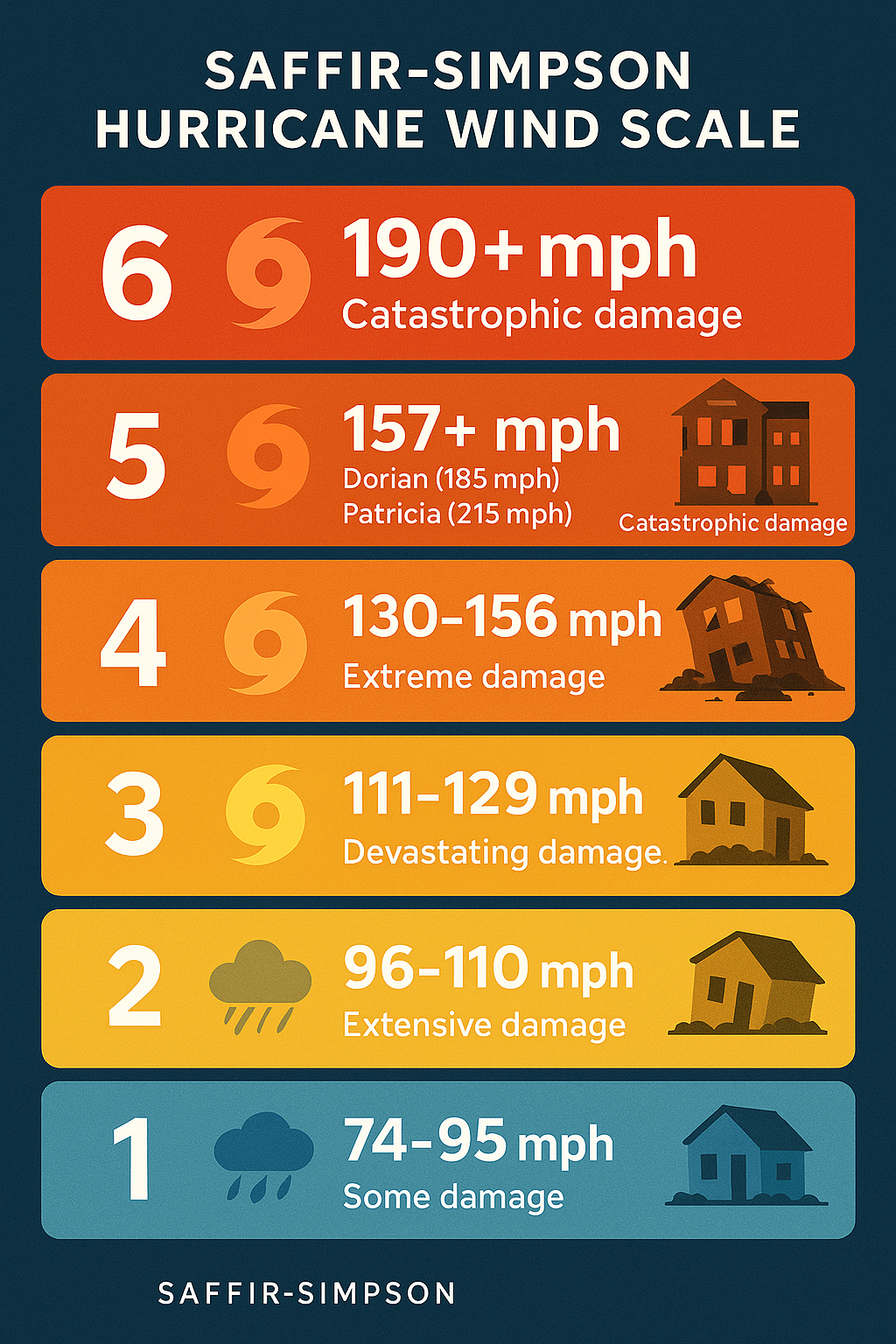
As hurricane seasons grow longer and storms become more powerful, the idea of a Category 6 hurricane has moved from science fiction to serious discussion. While not officially part of the Saffir-Simpson Hurricane Wind Scale, a Category 6 would describe a mega-storm with sustained winds over 190 mph — capable of devastating entire regions.

This raises a crucial question for anyone living in hurricane-prone areas:
Can a house built with ICF (Insulated Concrete Form) construction survive a Category 6 hurricane?

Spoiler: It just might. Here's why.


🌪️ What Is a Category 6 Hurricane?

Currently, the Saffir-Simpson scale stops at Category 5 (157+ mph winds). But in recent years, hurricanes like Patricia (215 mph) and Dorian (185 mph) have pushed well past that limit. Climate change is fueling stronger storms, leading experts to propose a new tier: Category 6 hurricanes — with sustained winds nearing or exceeding 190–200 mph.

While not yet official, the term “Category 6” is gaining traction as a way to describe these catastrophic weather events.


🧱 What Is ICF Construction?

ICF homes are built using reinforced concrete sandwiched between two layers of insulating foam. These walls are:

  • Extremely wind-resistant (200+ mph rated)

  • Energy-efficient

  • Fire-resistant

  • Water-resistant and mold-resistant

  • Highly durable and long-lasting

Unlike traditional wood-framed houses, ICF homes are designed to withstand extreme weather — including hurricanes, tornadoes, wildfires, and floods.


ICF Builder

Hurricane Wind Scale

🏠 Can an ICF Home Survive a Category 6 Hurricane?

The short answer: Yes, it’s possible — with the right design.

✅ Advantages of ICF Homes in Extreme Hurricanes

  • Wind Resistance: ICF walls can resist hurricane-force winds far above the Category 5 threshold.

  • Impact Protection: Flying debris is one of the deadliest hazards during a hurricane. ICF’s concrete core resists penetration from windborne objects.

  • Structural Integrity: The monolithic structure of an ICF home resists the pressure differentials that often cause traditional homes to collapse.

  • Flood & Fire Resistance: ICF is water-resistant and doesn’t burn, making it ideal for areas prone to storm surge and wildfires.

⚠️ But It's Not Just About the Walls…

Even the strongest ICF house needs other hurricane-ready features:

  • Reinforced Roof System: A weak roof can fail under intense uplift forces. Use hurricane straps, metal roofing, and wind-engineered trusses.

  • Impact-Rated Windows and Doors: Standard glass can shatter under pressure. Install hurricane shutters or certified impact windows.

  • Proper Elevation: If the home isn’t built above base flood elevation, storm surge can still cause structural failure — even with concrete walls.


🔧 Building a Hurricane-Proof Home with ICF

If you want to build a truly hurricane-resistant home, ICF is a top-tier foundation. Combine it with these features for maximum protection:

  • ICF walls rated for 200+ mph winds

  • Impact-rated doors and windows

  • A properly anchored and sealed roof

  • Elevated foundation to avoid floodwaters

  • Generator backup and storm-proof utilities

With this combination, your ICF home may be one of the safest places to ride out even a Category 6 hurricane.


🌎 Why ICF Construction Is the Future of Storm-Resilient Housing

As extreme weather events become more common, hurricane-proof homes are no longer optional — they’re essential. ICF construction isn’t just about safety. It also offers:

  • Lower insurance premiums

  • Reduced energy costs

  • Long-term ROI

  • Peace of mind for you and your family

If you live in a high-risk zone, building with ICF is one of the smartest decisions you can make.


🔧 Ready to Build Your Storm-Resistant ICF Home?

Scott MeadowsCall Scott Meadows today to start designing a hurricane-resilient home built with safety, efficiency, and peace of mind in mind.

Contact Information:
📞 Phone: 239.220.1157
📧 Email: ScottMeadows3@gmail.com
🌐 Website: FloridaCustomHomes.com

Let’s turn your vision into a fortress — before the next storm season hits.

April 5, 2025

Why Buy New Construction Homes in Naples, Florida?

Naples New HomesWhy Buy New Construction Homes in Naples, Florida?

If you're in the market for Naples New Homes for Sale, you're in for a treat. This beautiful coastal city in Southwest Florida offers a combination of lush landscapes, top-tier amenities, and an exceptional quality of life. Whether you're considering waterfront homes, luxury homes, or seeking a custom-built luxury home by one of Naples' premier luxury home builders, buying new construction homes in Naples is an investment in both lifestyle and long-term value.

Naples is known for its upscale living, pristine beaches, and a variety of recreational activities, making it a top choice for both retirees and families alike. Whether you're purchasing your first home or looking for a waterfront luxury estate, Naples offers a wide range of choices. But before you dive into the process, there are a few things you should know about buying new construction homes in Naples, Florida.

1. Location is Key: Choose Wisely

When buying a new construction home in Naples, location is everything. Naples is home to a variety of neighborhoods and communities, each offering unique features.

Waterfront Homes:

For those who want direct access to the water, whether it's the Gulf of Mexico, canals, or lakes, waterfront homes are highly sought after. The Naples waterfront market offers everything from cozy coastal cottages to expansive luxury estates with breathtaking views.

Proximity to Amenities:

Consider the distance to top-rated schools, world-class shopping districts like 5th Avenue South, and recreational amenities. The vibrant downtown Naples area provides access to fine dining, boutique shopping, and cultural events.

Natural Beauty:

Naples is known for its proximity to lush golf courses, nature preserves, and beaches. If you're searching for a luxury home or custom waterfront property, Naples will not disappoint.

2. Work with Experienced Luxury Home Builders

Purchasing a luxury home in Naples means finding a builder who understands your vision. Many of the luxury home builders in the area specialize in creating homes that reflect the highest standards of construction and design.

Customization:

Luxury home builders in Naples often allow buyers to personalize their properties. From selecting high-end finishes to choosing layouts that suit your family’s needs, these builders give you the opportunity to create a home that truly fits your lifestyle.

Energy Efficiency:

Many luxury homes in Naples incorporate energy-efficient features, such as smart home systems, solar energy, and eco-friendly building materials. This can significantly reduce your long-term utility costs and increase the sustainability of your home.

3. Understand the Timeline and Construction Process

Unlike buying an existing home, purchasing new construction in Naples typically involves a waiting period. New homes can take several months or longer to build, especially when you’re working with a custom luxury home builder.

Timelines:

It’s essential to discuss construction timelines upfront. While many homes may be ready in just a few months, highly customized luxury homes or waterfront properties may require more time.

Delays:

Be prepared for potential delays caused by weather, material shortages, or other factors. However, reputable luxury home builders will keep you updated on the progress and give you a realistic idea of when your dream home will be ready.

4. Know the Total Costs and Budgeting

When buying new construction homes in Naples, the base price is only part of the equation. Be sure to understand what’s included and what may incur additional costs.

Closing Costs:

New construction homes may come with various fees, including title insurance, closing costs, and inspection fees. Make sure to discuss these costs upfront with your luxury home builder.

HOA Fees:

Many communities in Naples, especially those with waterfront homes or luxury estates, have Homeowners Association (HOA) fees. These fees help maintain the community’s amenities and landscaping but can vary greatly, so be sure to budget accordingly.

5. New Construction and Storm Protection

Naples, like much of Florida, is subject to tropical storms and hurricanes. Fortunately, new construction homes in Naples are built with stringent hurricane-resistant features.

Impact-Resistant Windows:

A standard feature in luxury homes, impact-resistant windows protect your property from high winds and flying debris during a storm.

Elevated Foundations:

Many waterfront homes in Naples are built with elevated foundations to protect against storm surge and flooding. Be sure to confirm that your new home meets the latest building codes for storm protection.

6. Personalize Your New Home

One of the biggest advantages of purchasing new homes for sale in Naples is the ability to personalize your space. Whether you’re choosing a waterfront luxury estate or a smaller family home, there are numerous ways to make the home your own.

Design Choices:

You can choose from various architectural styles, finishes, and interior designs. This may include selecting cabinetry, flooring, countertops, and high-end appliances.

Outdoor Living:

Naples’ beautiful climate makes outdoor living a must. Many luxury homes feature private pools, expansive patios, and custom-designed outdoor kitchens that take full advantage of Florida’s tropical weather.

7. Research Property Taxes and Homestead Exemption

Property taxes in Florida can be a consideration when buying new construction. Luxury homes or waterfront properties may have higher assessed values, which can lead to higher property taxes.

Homestead Exemption:

Florida offers a Homestead Exemption that can reduce the taxable value of your home, resulting in a lower tax bill. If you plan to make your new home your primary residence, take advantage of this exemption.

8. Long-Term Maintenance

New construction homes generally require less immediate maintenance than older properties. However, it’s still important to maintain your home regularly to preserve its value.

Service Warranties:

Many luxury home builders offer warranties for both structural elements and home systems, giving you peace of mind for the first few years.

General Maintenance:

Keep track of your home’s needs and plan for regular upkeep, such as HVAC servicing, roof inspections, and pool maintenance.

9. Resale Value

Even though your new construction home is a long-term investment, it’s important to keep future resale value in mind. Naples’ prime location, beautiful views, and luxurious properties ensure high demand for luxury homes and waterfront estates.

Prime Locations:

Waterfront homes and those with desirable views or proximity to amenities tend to have the best long-term appreciation.

The Bottom Line: Invest in Your Dream Home in Naples

Buying a new construction home in Naples is an exciting and rewarding experience. With luxury homes that offer state-of-the-art designs, high-end finishes, and breathtaking views, you’re not just buying a property – you’re investing in a lifestyle. Whether you're considering a waterfront estate, a family home, or a luxury custom home, Naples has something to offer for every discerning buyer.

Ready to explore new construction homes in Naples?

Scott Meadows, Broker Associate at Premiere Plus Realty, brings over 35 years of experience in the Naples real estate market and specializes in helping buyers find the best waterfront homes, luxury homes, and custom properties. With expert knowledge of the Naples area and the new construction home market, Scott can guide you through every step of the buying process to ensure you make a smart, informed investment.

For personalized assistance and to start your journey toward your dream home, contact Scott Meadows today!


📞 Phone: 239.220.1157
📧 Email: ScottMeadows3@gmail.com
🌐 Website: FloridaCustomHomes.com

April 4, 2025

Is Naples becoming a Buyers Market? Naples Real Estate Market Report March 2025

Naples Real Estate Market Report March 2025

Naples Homes and Condos for Sale

Is Naples, Florida Becoming a Buyers Real Estate Market?

Naples, Florida, is widely known for its pristine beaches, upscale living, and vibrant real estate market. However, as we step into 2025, the question on everyone’s mind is: Is Naples, Florida becoming a buyer’s real estate market? For years, Naples has been a seller’s paradise, with home prices soaring and limited inventory. But recent shifts in the market suggest that we may be entering a new phase—one that’s more favorable to buyers.

In this post, we’ll explore the current trends in the Naples Florida real estate market, including price shifts, inventory levels, and what these changes mean for both buyers and sellers.

Naples Real Estate Market Trends in 2025

The Naples Florida real estate market has undergone noticeable changes in recent months. After years of high demand and rising prices, the market has cooled, and we’re now seeing signs that it could be transitioning into a more balanced—or even buyer-friendly—market.

As of March 2025, the median home price in Naples stands at $641,972, reflecting a 1.8% increase compared to the previous year. Although prices are still rising, the growth rate has slowed significantly compared to the rapid price hikes seen in previous years.

Price Trends in Naples Homes: What Buyers Need to Know

When it comes to Naples homes for sale, price trends are not uniform. In fact, different types of homes are experiencing different price movements:

  • One-bedroom homes have seen a significant 12.4% decrease in their median price.
  • On the other hand, five-bedroom homes have seen a sharp 34.4% increase in their median price.

This price disparity indicates that while smaller homes may be experiencing some cooling, larger, more luxurious properties are continuing to thrive in the Naples real estate market. For buyers, this means there may be opportunities to secure smaller homes at more affordable prices, while luxury homes are still commanding premium prices.

Inventory Growth: More Homes to Choose From

One of the most significant shifts in the Naples market is the surge in inventory. By March 2025, Southwest Florida saw a total of 23,425 active listings, marking a significant increase in available homes. Specifically, Collier County—which includes Naples—saw a 8.4% rise in homes for sale since February 2025, bringing the total number of listings to nearly 10,000.

This increase in inventory is excellent news for buyers, as more homes on the market means more choices and less competition compared to the tight inventory of previous years. For those considering buying homes in Naples, FL, the increased inventory presents fresh opportunities to find the perfect property.

Homes Taking Longer to Sell: A Sign of a Cooling Market

With more inventory available, homes are also staying on the market longer. The average number of days a home remains on the market in Collier County has increased by 27.1% year-over-year, reaching an average of 88 days in March 2025.

This is a stark contrast to the past few years, when homes in Naples would often sell in a matter of days—sometimes even above asking price. With homes now taking longer to sell, buyers have more time to make decisions and can negotiate better deals. Sellers, on the other hand, may need to adjust their expectations when it comes to pricing and speed of sale.

Homes Selling Below Asking Price: Buyer Leverage Increases

Another key indicator that Naples is becoming a buyer’s market is the number of homes selling below asking price. In March 2025, 87.4% of homes in Naples sold for less than the list price. This suggests that buyers now have more negotiating power than they’ve had in recent years, when bidding wars and homes selling for above asking price were the norm.

For prospective buyers, this is a promising development. It means there’s more room for negotiation and the opportunity to secure a home at a price closer to what they’re willing to pay. Sellers may need to be more flexible with their pricing and expectations to attract buyers in this cooling market.

What Does This Mean for Buyers and Sellers?

For Buyers: If you’ve been waiting for the right moment to buy a home in Naples, the time may have arrived. With more properties available and prices stabilizing, there’s less urgency to jump on the first property you see. You can take your time, explore different options, and negotiate for a better price. This is a great opportunity to secure your dream home without getting caught up in bidding wars.

For Sellers: While it’s still a good time to sell, you’ll need to be strategic. With more inventory in the market and homes taking longer to sell, pricing your property competitively is key. Sellers should be prepared to adjust their expectations and be open to negotiations, as the days of multiple offers above asking price may be behind us for now.

Final Thoughts: Is Naples, Florida Becoming a Buyer’s Market?

The answer is yes—Naples, Florida, is gradually becoming a more buyer-friendly real estate market. The combination of increased inventory, longer days on the market, and homes selling below asking price is shifting the balance of power in favor of buyers.

For those looking to buy homes in Naples, 2025 presents an exciting opportunity. With more options available and the potential for negotiating better deals, it’s a great time to enter the market. For sellers, it’s important to remain realistic about pricing and be prepared for a longer sale process.

Whether you’re buying or selling, staying informed about the evolving Naples real estate market will help you make the best decisions for your needs. As always, it’s crucial to work with a trusted real estate professional to navigate these changes and ensure a successful transaction.

Scott Meadows: Your Trusted Realtor in Southwest Florida

Scott MeadowsScott Meadows is a seasoned Broker Associate at Premiere Plus Realty, bringing over 35 years of experience in the real estate industry. Specializing in the Southwest Florida market, Scott offers clients in-depth knowledge of cities like Naples, Fort Myers, Marco Island, Cape Coral, and more. Whether you're buying or selling, Scott provides tailored, expert guidance to ensure you find your perfect home or make a smart investment. Known for his dedication and integrity, Scott has helped countless clients navigate the diverse markets of Southwest Florida. Reach out today to discover how Scott can assist with your next real estate transaction!

Contact Information:
📞 Phone: 239.220.1157
📧 Email: ScottMeadows3@gmail.com
🌐 Website: FloridaCustomHomes.com

April 3, 2025

The 10-Year Treasury Yield Today: What Borrowers Need to Know for the Coming Months

Economic News 10-Year Treasury Yield Today

The 10-Year Treasury Yield Today: What Borrowers Need to Know for the Coming Months

As of April 3, 2025, the yield on the 10-year U.S. Treasury note dropped to approximately 4.05%. While bond yields can fluctuate for a variety of reasons, this decline could have important implications for borrowers in the months ahead. Whether you’re looking to buy a home, finance a car, or refinance your existing loans, understanding the dynamics of the 10-year Treasury yield is key to predicting how borrowing costs might evolve.

Here’s a closer look at what the drop in the 10-year yield means for borrowers and why it’s worth paying attention to in the near future.

What is the 10-Year Treasury Yield?

The 10-year Treasury yield represents the interest rate the U.S. government pays on its 10-year bonds. It’s considered one of the most important indicators in financial markets because it reflects investor sentiment about the economy, inflation, and future interest rates.

The 10-year yield often serves as a benchmark for other interest rates, especially for long-term loans like mortgages. When the yield falls, borrowing costs for consumers tend to decrease as well, leading to cheaper loans and more affordable financing options.

Why the Drop in Yield Matters for Borrowers

The recent drop in the 10-year Treasury yield suggests that investors are seeking safe-haven assets amid economic uncertainty. A variety of factors could be at play, from geopolitical tensions to concerns about global economic growth. When investors flock to government bonds as a safe bet, yields tend to fall. This shift can have a ripple effect throughout the economy, particularly for those looking to borrow money.

So, what does this mean for borrowers?

1. Lower Mortgage Rates

For homebuyers or homeowners looking to refinance, a decline in the 10-year Treasury yield could result in lower mortgage rates. The 30-year fixed mortgage rate, for example, tends to follow the movements of long-term Treasury yields. With the 10-year yield dipping below 4.1%, we could see mortgage rates decline as well. This could present a prime opportunity for homebuyers to secure more affordable financing or for existing homeowners to refinance and reduce their monthly payments.

2. Cheaper Auto and Personal Loans

Similarly, if you’re planning to finance a car or take out a personal loan, the drop in the 10-year yield could result in lower interest rates for these types of loans. A lower rate means you’ll pay less interest over the life of the loan, making it a more affordable time to take out a loan. Whether you’re purchasing a new car or funding a major expense, a favorable borrowing environment can save you money in the long run.

3. Business Loans May Be More Affordable

Small businesses or entrepreneurs looking for financing may also benefit from lower borrowing costs. With long-term Treasury yields falling, commercial loan rates could decline as well, making it easier and more affordable for businesses to expand or invest in new projects. For those looking to start a business or grow an existing one, now may be a good time to take advantage of more favorable financing conditions.

Refinancing: A Golden Opportunity?

If you already have an existing loan—especially a mortgage—this drop in Treasury yields could present an excellent opportunity to refinance at a lower rate. Refinancing could help you lock in a more favorable interest rate, reducing your monthly payments and saving you money over the life of your loan.

Keep in mind that while refinancing offers an opportunity to reduce your rate, it’s important to factor in any closing costs or fees associated with the process. Still, in a low-rate environment, refinancing can be a powerful tool for lowering debt and managing finances more effectively.

What’s the Catch?

While the drop in the 10-year yield is generally good news for borrowers, it’s important to consider the reason behind the decline. Yields often fall when investors are worried about economic conditions, which could signal a potential slowdown or recession. A decrease in yields could indicate that economic growth may be slowing, and the Federal Reserve might take steps to further cut short-term interest rates in an attempt to stimulate the economy.

For borrowers, this could mean lower rates in the short term. But in the long term, a slowing economy could have unintended consequences, including potential job losses, reduced consumer spending, or other economic hardships. So while borrowing costs might be lower, it’s important to stay informed about the broader economic landscape.

Looking Ahead: Borrowers Should Stay Flexible

Given the current environment, borrowers may find themselves in a favorable position in the short term with lower borrowing costs. Whether you’re in the market for a new home, car, or business loan, or looking to refinance, now could be an excellent time to take advantage of reduced rates.

However, borrowers should remain aware of potential economic risks in the coming months. While lower Treasury yields are great for financing in the short term, they could be a sign of broader economic concerns. Staying flexible and monitoring the financial markets can help you make the best borrowing decisions moving forward.

The Bottom Line:

The current drop in the 10-year Treasury yield presents a favorable opportunity for borrowers. Mortgage rates, auto loans, and business financing could all become more affordable, giving you the chance to borrow at a lower cost. However, it’s important to consider why rates are dropping and how that may impact the broader economy in the future. For now, though, lower rates are a positive sign for anyone looking to finance a big purchase or reduce existing debt.

As always, it’s wise to consult with a financial advisor before making any major financial decisions, especially as we continue to navigate an uncertain economic landscape.

With over 35 years of experience in real estate and an extensive knowledge of the Southwest Florida marketScott Meadows is your ideal guide for buying or selling a home in cities like NaplesFort MyersMarco IslandCape Coral, and beyond. His personalized service and deep understanding of each community ensure you make informed decisions whether you are buying luxury estate, a vacation home, or an investment property. As a Broker Associate at Premiere Plus Realty, Scott's commitment to providing top-notch service, combined with his in-depth market insights, makes him the trusted realtor for clients across the region. Contact Scott today to discover how his expertise can help you achieve your real estate goals in Southwest Florida.